Our Scans
·
Predictive Policing
·
Intelligence Briefing
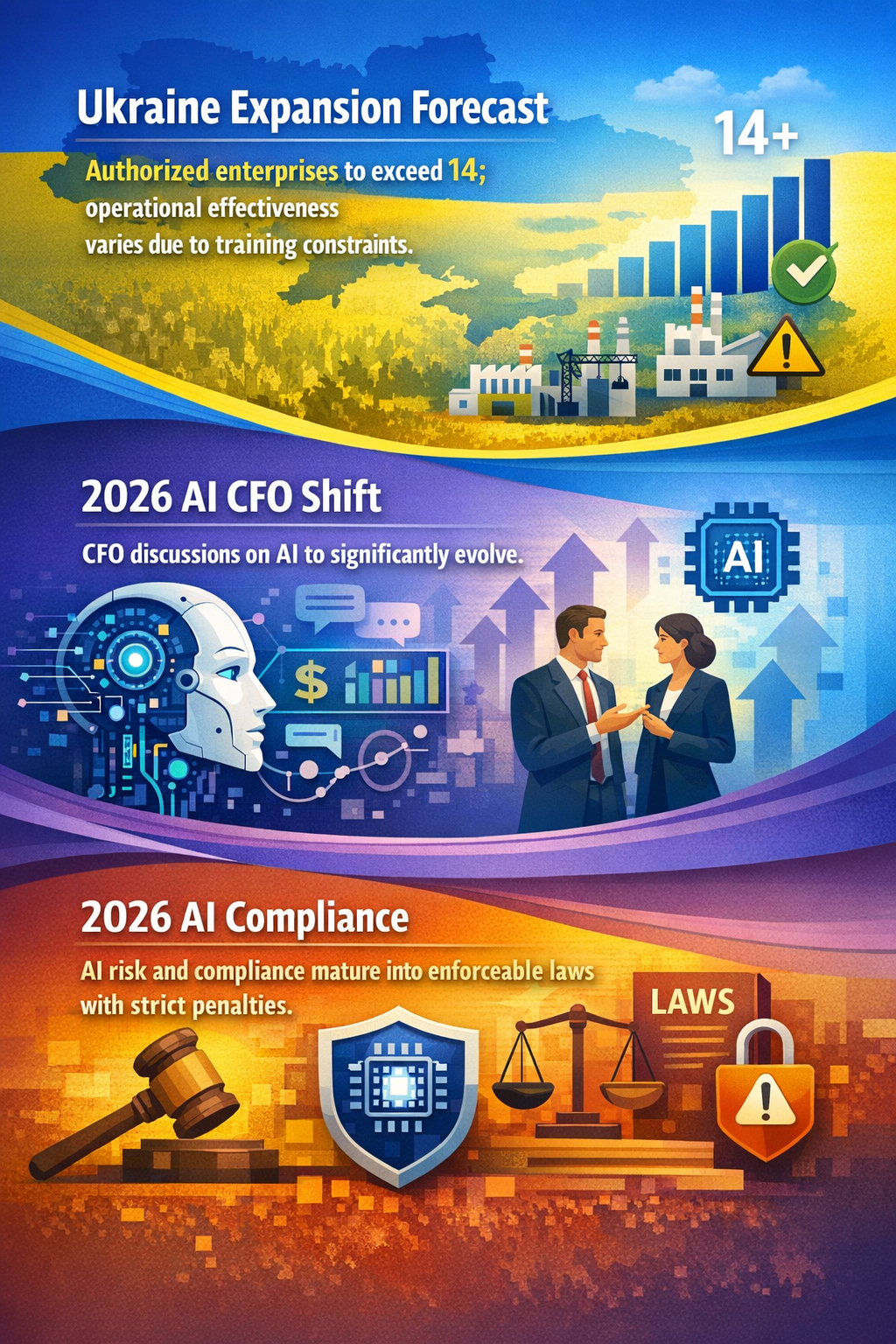
Intelligence Briefing about Predictive Policing
Emerging Trends
- AI Integration and Regulation: AI technologies are transitioning from experimental tools to subject to enforceable legal frameworks, with substantial penalties for non-compliance becoming the norm (Secure Privacy AI Risk Compliance 2026).
- National Security Threats from AI: The use of AI by adversaries, especially foreign states, is identified as a major national security concern, impacting data handling, infrastructure surveillance, and intelligence operations (National Interest AI Security Threat, SPH Engineering DJI Ban Concerns).
- Heightened Surveillance and Digital Investigation Tools: Legislative developments (e.g., Bill C-22) are expanding law enforcement capabilities in digital investigations while balancing data safeguard concerns (Queen Street Analytics ICT Cybersecurity).
- AI and Big Tech Regulatory Scrutiny: Increased antitrust probes into major tech firms’ AI use signal intensified scrutiny over AI’s role in market monopolies, raising compliance risks (SStore Global Regulators on Big Tech).
Key Challenges, Opportunities, and Risks
- Challenges: Navigating complex AI compliance regimes; securing sensitive data against adversary exploitation; balancing expanded digital investigative powers with privacy and public trust.
- Opportunities: Leveraging predictive analytics to proactively identify and mitigate threats; enhancing digital forensics capabilities through AI tools; influencing regulatory frameworks via engagement.
- Risks: Potential AI-driven surveillance overreach undermining civil liberties; adversarial AI usage eroding operational security; dependency on foreign or black-box AI solutions introducing vulnerabilities.
Scenario Development
- Best-Case: Strict and clear AI regulatory frameworks enable AFP to deploy predictive policing tools effectively and ethically, with robust inter-agency data sharing enhancing threat prediction without privacy infringements.
- Moderate Optimization: AFP integrates AI tools under evolving but somewhat inconsistent regulations; adversarial AI tactics increase but are largely mitigated by improved intelligence-sharing and training programs.
- Regulatory and Security Strains: Fragmented AI regulation and aggressive adversary AI use cause operational disruptions; public backlash against surveillance and data privacy breaches constraints AFP's digital investigative scope.
- Worst-Case: Unregulated AI proliferation and adversaries’ exploitation lead to compromised critical infrastructure and intelligence failures; AFP faces legal penalties and loss of public trust due to non-compliance and overreach.
Strategic Questions
- How can the AFP balance rapid AI adoption in predictive policing with evolving national and international regulatory requirements?
- What frameworks are needed to ensure data sovereignty and secure handling to prevent adversarial exploitation?
- In what ways could public trust be maintained or restored amid expanded AI-driven surveillance powers?
- How might AFP anticipate and counteract AI-enabled tactics from adversaries, including misinformation or impersonation campaigns?
Potential Actionable Insights
- AFP could proactively engage with policymakers to shape AI regulation aligned with operational realities and ethical considerations.
- Investment in AI literacy and compliance training within AFP could enhance readiness for emerging legal and technological landscapes.
- Developing transparent communication strategies could reinforce community trust when deploying predictive policing technologies.
- Collaboration with allied agencies to share secure space situational awareness data might reduce critical infrastructure vulnerabilities tied to AI-enabled threats (Legacy IAS Space Data).
Briefing Created: 19/06/2026