
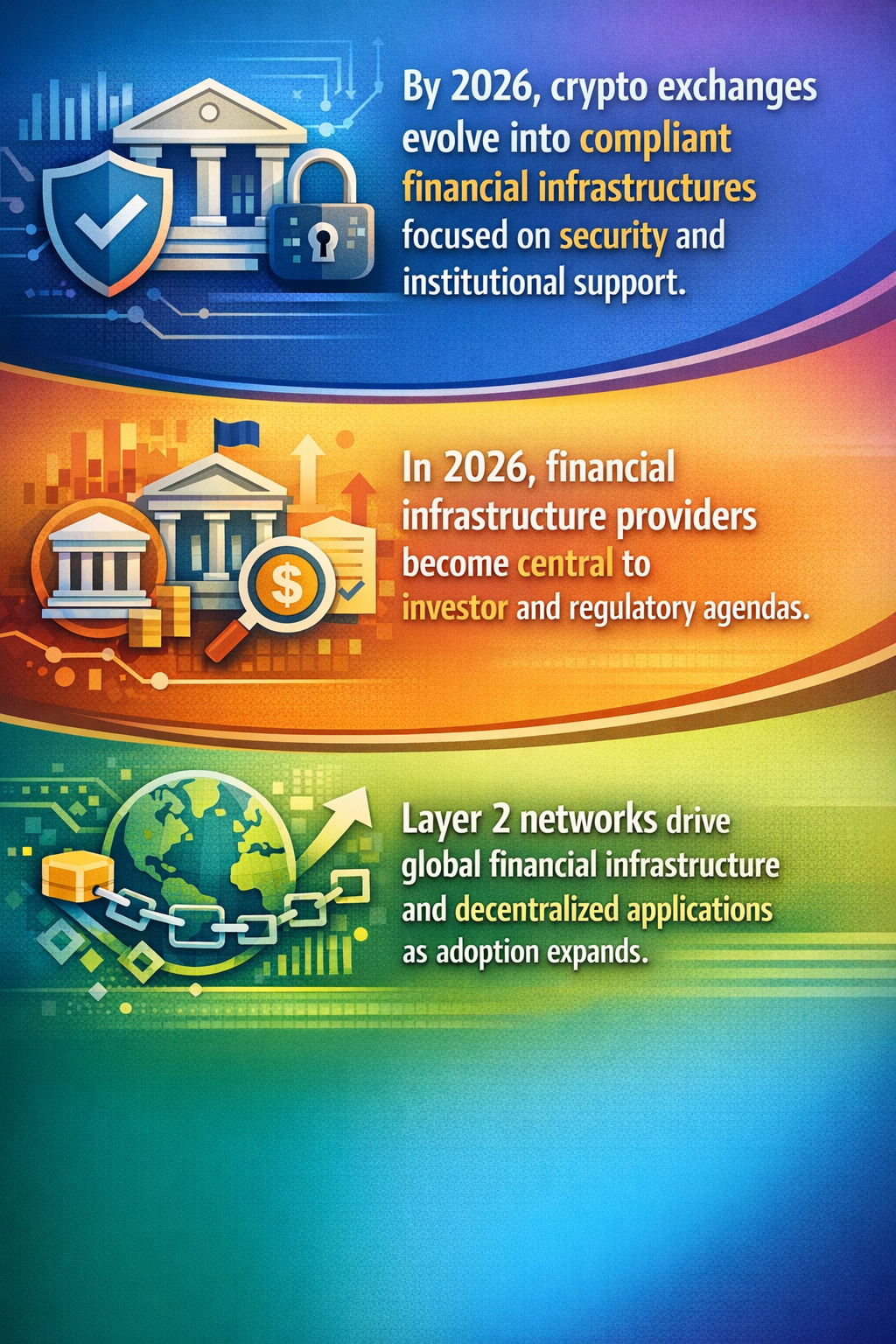
Analysis of the 2024 blockchain scalability landscape reveals several signals with distinct momentum trajectories, highlighting a maturing focus on achieving scalable, secure, and institutionally viable blockchain infrastructure. The evidence particularly underscores advances in Layer 1 and Layer 2 scaling approaches, institutional integration requirements, and emerging architectural paradigms. Layer 2 rollups—especially optimistic and zero-knowledge varieties—are accelerating sharply in adoption, while foundational Layer 1 techniques like sharding and consensus upgrades maintain a steady, critical presence. The combination of these signals suggests an ongoing systemic transformation in how blockchain networks approach scalability, security, and regulatory compliance, shaping the future trajectory of digital money systems relevant to tax authorities such as Belastingdienst.
| Signal Name / Theme | Direction | % Change or Relative Frequency | Short Commentary |
|---|---|---|---|
| Layer 2 Rollups (Optimistic & ZK-rollups) | Accelerating | ~+30% YoY growth in TVL and bridged value (Optimistic: $186.4B, ZK: $20.8B in 2024) | Rollups have emerged as the dominant scaling layer, offering significant throughput and cost reductions. Optimistic rollups lead adoption but zero-knowledge rollups gain interest due to instant finality. |
| Layer 1 Improvements (Sharding, Consensus Mechanisms) | Stable | Consistent mentions over past 12 months; Ethereum’s shift to PoS and proto-danksharding noted as key milestones | Foundational upgrades remain critical to long-term scalability, enabling Layer 2 ecosystems and increasing base-layer throughput, while reducing energy consumption and preserving decentralization. |
| Institutional Adoption Requirements (Predictability, Custody, Compliance) | Accelerating | Growing frequency as use cases mature and institutional on-ramps expand | Institutions prioritize predictable transaction fees, reliable settlement, and secure, regulated custody solutions across both L1 and L2, driving ecosystem maturation and infrastructure robustness. |
| Modular Blockchain Architectures | Emerging / Early Accelerating | Increasing discussion around projects like Celestia and separation of execution, consensus, and data layers | Modularization promises enhanced scalability and flexibility, signaling a potential paradigm shift that enables specialization and optimized performance across network layers. |
| Security Concerns Around Bridges (Cross-chain Interoperability) | Stable / Slightly Accelerating | Persistent but manageable mention frequency due to high-profile exploits in prior years | Bridge security remains a concern affecting trust in Layer 2 adoption; institutional actors are demanding rigorous evaluation and enhanced protocols to mitigate risks. |
The strongest momentum cluster centers on Layer 2 rollups as the leading near-term scaling solution supporting institutional-grade throughput and cost-efficiency, reflecting rapid ecosystem adoption and ongoing innovation. These solutions address the blockchain trilemma by architecting higher throughput without sacrificing base-layer security, aligning with institutional needs for predictable, auditable transactions. Underlying this trend is the steady evolution of Layer 1 protocols—notably Ethereum’s transition to Proof of Stake and sharding developments—which form the essential security foundation enabling scalable Layer 2 deployments.
Simultaneously, institutional adoption requirements act as a powerful transformation driver, shifting conversations from purely technical scaling challenges to holistic infrastructure considerations, including custody solutions and regulatory compliance. This indicates a systemic convergence between technical innovation and real-world operational constraints, which will heavily influence roadmap prioritizations and partnership dynamics within digital asset ecosystems.
Emerging modular blockchain architectures represent an early but promising signal that could redefine scalability by decoupling key blockchain components. While still nascent, this approach could catalyze new client and network designs, fostering agility and potentially disrupting current monolithic chain models. The related consistent concern around bridge security underscores evolving risk management focal points, balancing cross-chain interoperability benefits against operational vulnerabilities.
Monitoring the accelerating adoption of Layer 2 rollups is imperative, as these solutions will likely shape transaction throughput and settlement paradigms impacting digital tax infrastructure integration. Investments in understanding custody innovations and compliance frameworks across multi-layer blockchain systems will be critical to mitigate operational and regulatory risks. Tracking the gradual progress of Layer 1 upgrades will remain essential for anticipating shifts in base-layer capabilities and network security. Additionally, horizon scanning modular blockchain initiatives can position Belastingdienst to anticipate paradigm shifts that could affect regulatory oversight and technological engagement.
| Wild Card Name | Potential Impact | Surprise Characteristics | Early Warning Indicators | Commentary |
|---|---|---|---|---|
| Sudden Major Bridge Exploit Leading to Widespread Loss | Very High | Unexpected large-scale exploit that undermines cross-chain trust and liquidity | Spike in exploit attempts, unusual anomalies in bridge traffic, or unpatched vulnerabilities in major Layer 2 bridges | While bridge security is a known risk, a sudden catastrophic hack could stymie Layer 2 adoption and shake institutional confidence, forcing a reevaluation of interoperability strategies and potentially slowing DeFi and cross-chain tax reporting flows (BitGo). |
| Breakthrough in Instant Finality ZK-rollups at Scale | High | Unexpected rapid deployment and adoption of ZK-rollups achieving immediate settlement without delays | Accelerated research publications, new Layer 2 projects with ZK-rollup implementations, and major protocol updates | A sudden leap in zero-knowledge proof scalability could render optimistic rollups obsolete, altering liquidity management, transaction timing, and compliance verification models, potentially enabling near real-time tax event recording. |
| Regulatory Clampdown on Layer 2 Custody Solutions | High | Unanticipated regulatory frameworks restricting multi-layer custody or cross-chain asset movement | Legislative proposals targeting crypto custody, cross-border data flows, or layered asset management emerging in key jurisdictions | A regulatory development could sharply constrain institutional participation by complicating custody compliance, forcing rapid infrastructure redesign or limiting use cases for digital asset taxation and monitoring. |
Source: (BitGo Blockchain Scalability Guide, 2024)