Fortifying Tomorrow: Navigating the Shifting Sands of Supply Chain Resilience
- Global supply chains remain vulnerable to geopolitical tensions, resource dependencies, and climate change impacts, underscoring the critical need for resilience.
- Emerging technologies like quantum computing and AI offer transformative tools for real-time disruption management and optimization but remain unevenly adopted.
- Geopolitical rivalries—especially US-China dynamics—drive diversification efforts, with middle powers like Vietnam pursuing economic self-reliance to reduce foreign dependence (Belfer Center).
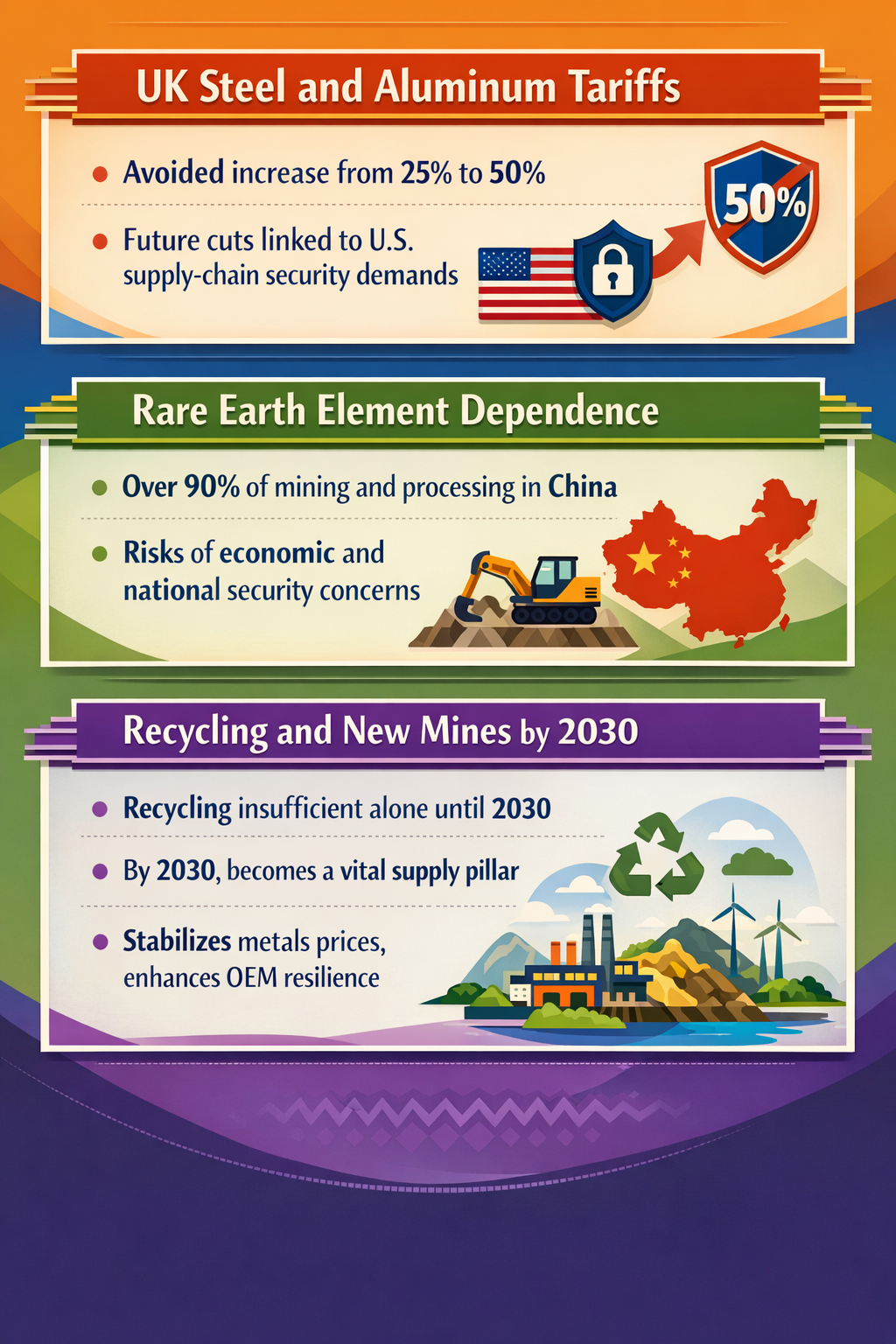
- The concentrated control of critical materials, such as rare earth elements predominantly sourced from China, presents persistent economic and national security risks (Pew Trusts).
- Multilateral partnerships and regional initiatives emphasize supply chain diversification and resilience as key strategic priorities for the coming decade (White House).
A Fearful Future – Fragile Networks and Cascading Failures
In this scenario, heightened geopolitical conflicts disrupt critical supply nodes and material flows, exacerbated by extreme weather events and cyberattacks crippling logistic systems. Dependence on a few resource chokepoints, such as rare earth elements concentrated in China, triggers systemic shortages. Supply chains fragment as trust erodes, driving opportunistic nationalism and protectionism. Small and middle powers face escalating costs and market exclusion.
Strategic Responses:
- Accelerate horizon scanning to identify early signals of geopolitical shifts, cyber risks, and climate vulnerabilities at critical nodes.
- Leverage strategic intelligence to map dependencies on high-risk materials and promote alternative sourcing or substitution approaches.
- Develop scenario-based contingency planning emphasizing multi-layered redundancy and collaboration across regional blocs to mitigate isolation risks.
An Uncertain Future – Navigating Volatility and Hybrid Disruptions
Supply chains face an unpredictable landscape where crises unfold sporadically—blending pandemic aftershocks, regional conflicts, cyber disruptions, and resource scarcities. Technological innovation advances unevenly, creating fragmented capabilities among actors. Markets react with oscillating confidence, and resilience is tested by the fast pace of shifts in policy and technology adoption.
Strategic Responses:
- Embed adaptive intelligence systems combining horizon scanning data with AI and quantum-driven analytics for rapid risk assessment.
- Foster agile scenario planning that accommodates shifting geopolitical-economic relationships and promotes collaborative risk-sharing mechanisms.
- Build strategic partnerships across public and private sectors to pool diversified insights and dynamically revise supply strategies.
A Cautious Future – Measured Resilience Under Emerging Pressures
Moderation defines this outlook as stakeholders progressively integrate risk-aware policies balancing globalization benefits and resilience needs. Proactive but deliberate diversification efforts offset sole dependencies. Investments prioritize robust infrastructure and sustainable sourcing, but progress is tempered by budget constraints and competing agendas.
Strategic Responses:
- Consolidate horizon scanning outputs into actionable intelligence supporting incremental improvements in supply chain robustness.
- Use strategic intelligence to evaluate trade-offs between efficiency and resilience in investment decisions and partnership formation.
- Shape tomorrow’s supply chains by embedding resilience metrics into procurement, supplier qualification, and regional cooperation frameworks.
A Confident Future – Seizing Opportunity Through Innovation and Collaboration
In this proactive scenario, breakthroughs in quantum computing and AI bolster predictive and operational capabilities, creating highly responsive and self-healing supply systems. Regional alliances deepen, sharing resources and expertise, reducing vulnerabilities from material concentrations. Collaborative frameworks promote transparency and sustainability, aligning economic ambitions with social and environmental goals.
Strategic Responses:
- Harness horizon scanning to identify emerging tech and partnership opportunities early and embed them strategically into supply chain models.
- Leverage strategic intelligence to anticipate market shifts and innovate collaborative mechanisms boosting resilience at scale.
- Shaping Tomorrow initiatives can facilitate cross-sector dialogues to embed trust and transparency as core pillars of future supply chains.
A Hopeful Future – Building Transformative Resilience and Shared Prosperity
This best-case future envisions global supply chains as resilient, adaptive, and equitable systems underpinned by technological mastery and multilateral cooperation. Dependency risks are mitigated by diversified sourcing and circular resource flows. The lessons from past disruptions fuel a culture of continuous learning and innovation. Supply chains become engines not just of consumption, but of sustainable development and inclusive growth.
Near-Term Actions:
- Integrate insights from all scenarios to develop robust early warning systems that can pivot tactically in response to evolving risks.
- Invest in building strategic intelligence capabilities focused on cross-sector collaboration, especially with emerging middle powers seeking self-reliance (Belfer Center).
- Shape Tomorrow should champion inclusive, multi-stakeholder platforms to co-design pathways toward sustainable, diversified, and technologically empowered supply networks.