
Welcome to Shaping Tomorrow

Our Scans · Biodiversity Loss · Scenarios > Strategy


Protecting Our Planet: Navigating Biodiversity Loss in an Era of Change

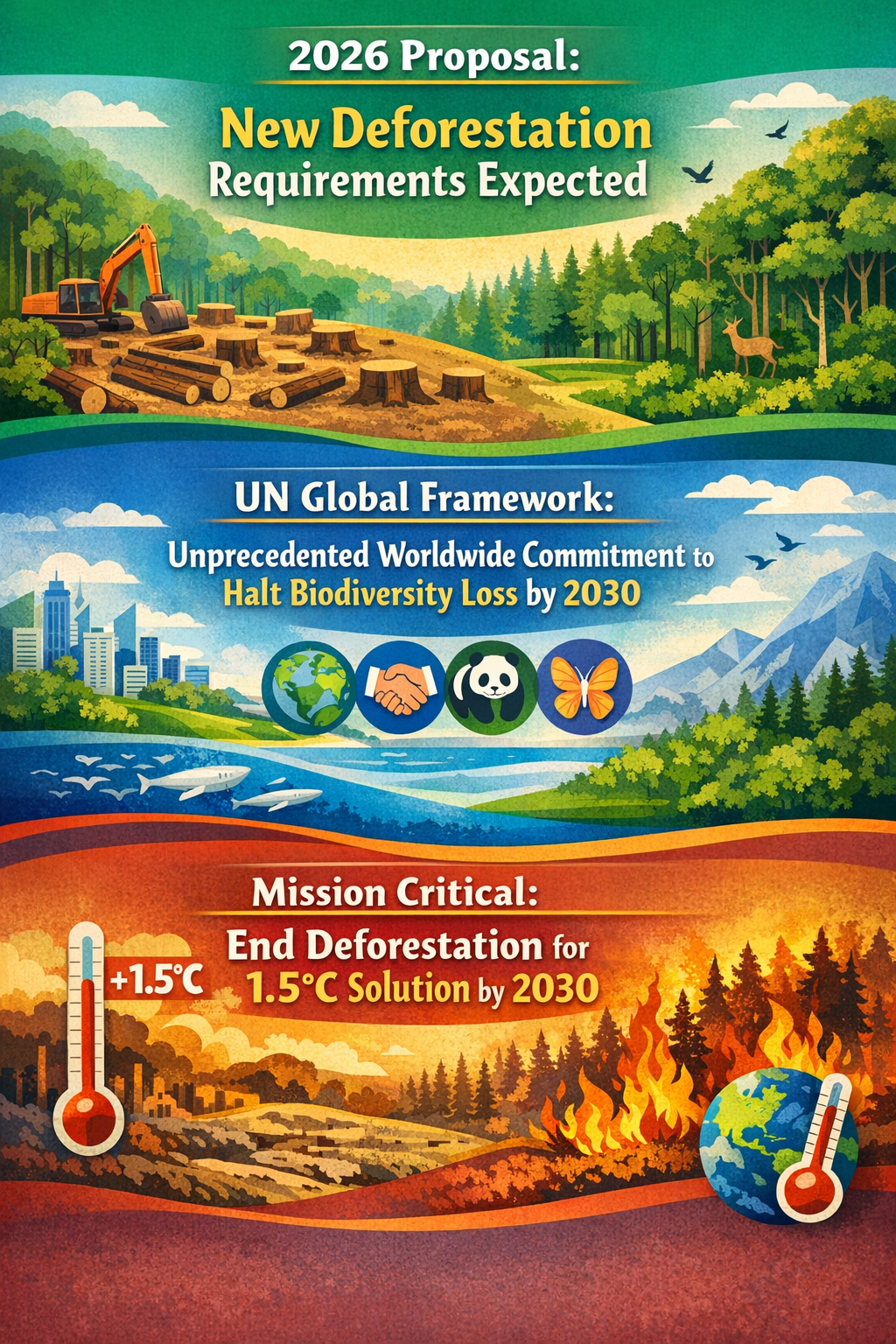
  • Biodiversity loss is accelerating globally, driven by habitat destruction, climate change, invasive species, and unsustainable supply chains.
  • International frameworks like the UN’s global biodiversity commitments aim for transformative action by 2030, but implementation remains uneven and complex.
  • Emerging regulatory shifts, such as the evolving EU Deforestation Regulation, signal increasing pressure on businesses to transparently manage environmental impacts.
  • Critical ecosystems supporting global supply chains face mounting risks from deforestation, wildfires, and land degradation, threatening economic stability.
  • For Atradius, understanding these dynamics is vital to anticipate credit risks, seize opportunities in green transitions, and enable resilient business practices.

A Fearful Future – When Risks Spiral Out of Control

Global biodiversity loss accelerates rapidly due to failure in enforcing regulations, intensified deforestation, and climate-induced wildfires. Supply chains become highly vulnerable as natural resource scarcity disrupts production and trade flows. Financial instability spikes among companies reliant on vulnerable ecosystems. This fuels economic uncertainty, credit defaults, and heightened insurer exposure. Emerging regulatory frameworks fail to keep pace, increasing compliance risks and reputational damage for businesses.

What could Atradius do?

  • Enhance risk assessment models by incorporating biodiversity-related vulnerabilities and ecosystem service dependencies.
  • Refine credit terms and insurance products to incentivize sustainable practices and penalize high-exposure sectors.
  • Develop strategic partnerships with environmental data providers for early warning signals, enabling proactive portfolio rebalancing.

An Uncertain Future – Navigating Volatility and Complexity

The outlook is mixed with progress in some regions due to enforcement of conservation policies and corporate commitments, but setbacks in others from political instability and market fluctuations. Sudden natural events like wildfires disrupt sectors unevenly. Businesses face shifting regulatory landscapes and evolving stakeholder expectations. Supply chains adapt through diversification but remain exposed to unforeseen ecological shocks.

What could Atradius do?

  • Create flexible risk frameworks that can rapidly incorporate new environmental data and scenario updates.
  • Offer modular insurance and credit solutions that can be adjusted as conditions evolve, supporting client resilience.
  • Invest in employee training and technology to improve agility in risk management decisions and scenario planning.

A Cautious Future – Balancing Growth with Responsible Stewardship

Global efforts to halt biodiversity loss show moderate success through strengthened regulations, corporate ESG integration, and innovation in sustainable supply chains. While risks remain, improved data, transparency, and collaboration reduce systemic shocks. Atradius’s clients increasingly align with sustainability regulations, enhancing their risk profiles. Progress is incremental but steady, with ongoing monitoring essential to sustain gains.

What could Atradius do?

  • Consolidate sustainability criteria into credit risk assessments and underwriting guidelines.
  • Promote knowledge-sharing platforms for clients to exchange best practices on biodiversity risk management.
  • Support and invest in green finance mechanisms that reward positive environmental outcomes.

A Confident Future – Turning Risk into Opportunity

Ambitious global policies and corporate initiatives have successfully curbed biodiversity loss by 2030. Nature-positive investments flourish, enabled by clear regulation and market incentives. Innovative financial products support regenerative agriculture, sustainable forestry, and biodiversity-friendly supply chains. Atradius leverages advanced data analytics to identify emerging green markets and embed ecosystem services valuation into risk models. The company leads in financing the transition to a resilient, biodiversity-positive economy.

What could Atradius do?

  • Develop new credit products tailored to nature-positive enterprises and biodiversity impact projects.
  • Lead in sustainability-linked insurance, rewarding clients with improved environmental performance.
  • Engage in multi-stakeholder partnerships to influence policy and promote ecosystem resilience finance.

A Hopeful Future – Acting Today to Shape Tomorrow’s Nature-Positive World

Achieving a transformative outcome requires immediate, coordinated efforts to mainstream biodiversity considerations across finance and business. Lessons from the fearful and uncertain futures reinforce the need for robust early-warning systems and adaptable strategies. The cautious and confident futures demonstrate the power of collaboration, innovation, and forward-looking risk management. Atradius can play a pivotal role today by embedding biodiversity risk into core operations, fostering client engagement on sustainability, and pioneering financial products that support ecosystem restoration.

What could Atradius do now?

  • Integrate biodiversity metrics into credit scoring and claims evaluation to better anticipate emerging risks.
  • Champion capacity-building with clients and partners on responsible supply chain practices and biodiversity impact.
  • Invest in technology and partnerships that enhance data transparency and scenario-based stress testing.

By proactively embedding these approaches, Atradius can safeguard its portfolio, unlock new markets, and contribute meaningfully to global biodiversity goals.

Sources: UK Government Supply Chain Report, UN Biodiversity Framework, World Resources Institute on Deforestation, EU Deforestation Regulation Update, Upcoming Deforestation Regulations, Greenpeace on Forest Protection, BBC on Japan’s Biodiversity Challenges

Briefing Created: 20/06/2026

Login