Our Scans
·
Global Aid Architecture & NGO Operating Space
·
Roadmap
BLUF (Bottom Line Up Front)
Plan International’s transformation agenda must navigate heightened geopolitical instability, evolving humanitarian crises, and complex socio-political dynamics impacting vulnerable populations, requiring an integrated roadmap that balances agile humanitarian response with strategic partnerships, governance reform, and sustainable infrastructure development.
Key Drivers, Trends & Weak Signals
- Geopolitical Conflict & Instability: Ongoing conflicts in Gaza, West Bank, and Middle East, alongside China-Taiwan tensions and Turkey-EU dynamics, drive humanitarian crises and displacement.
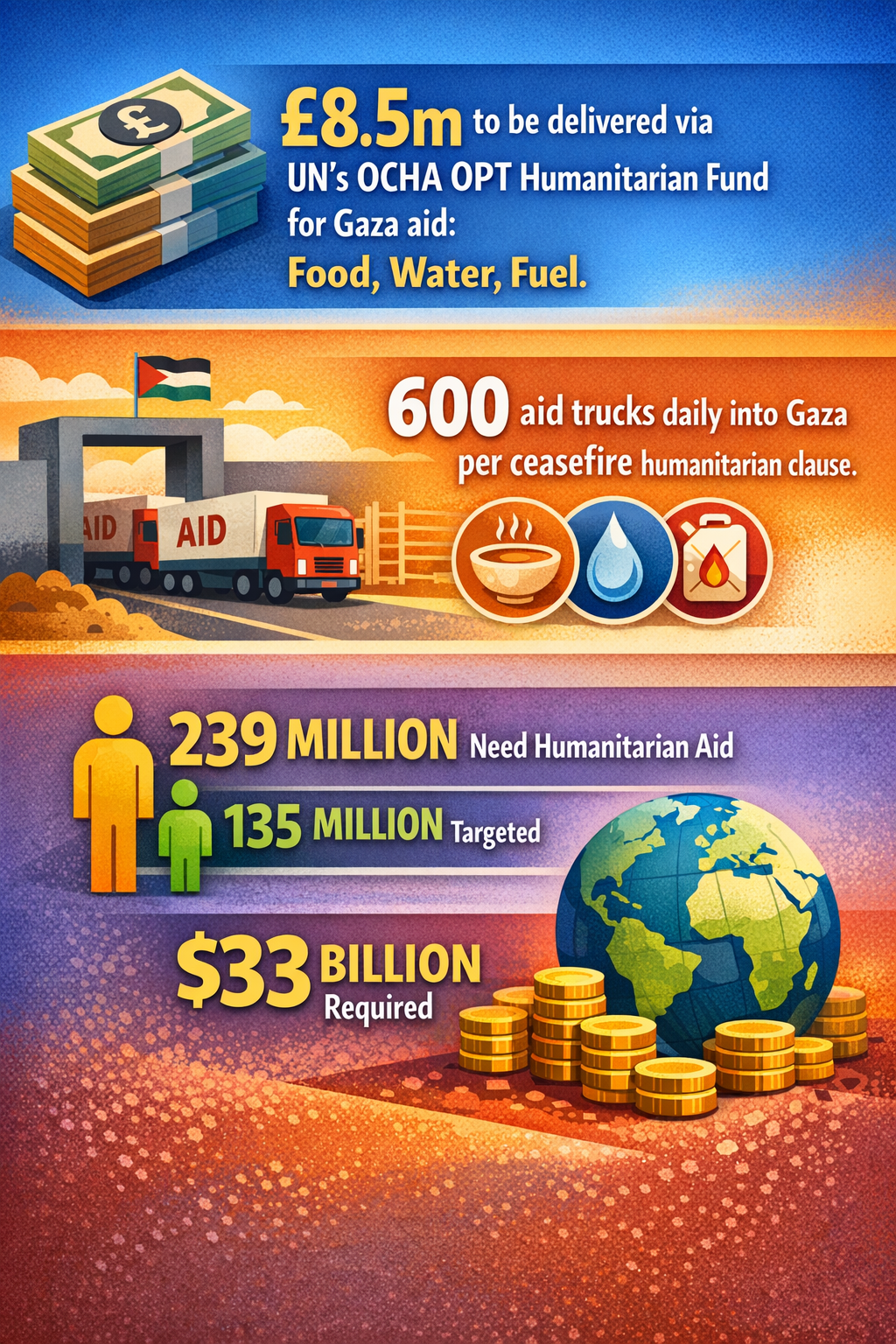
- Humanitarian Aid & Access Challenges: Aid blockade issues, constrained humanitarian access, and politicization of assistance increase vulnerability in affected regions.
- Disinformation & Narrative Warfare: AI-enabled cognitive warfare and election interference, e.g., PRC influence in Taiwan, complicate trust and destabilize societies.
- Economic & Social Pressures: Inflation, austerity measures, and migration pressures intensify vulnerabilities, notably for displaced youth, women, and children.
- Tech & Innovation: Emerging technologies (AI, digital identity, advanced defense systems) reshape governance, service delivery, and community engagement.
- Governance Shift: Increased reliance on technocratic cooperation, while democratic participation and transparency erode in some donor and recipient countries.
- Human Rights & Protection Concerns: Sexual violence, exploitation, and lack of accountability persist amid conflict and humanitarian response efforts.
Priority Concerns
Immediate (High-Likelihood, Near-Term)
- Humanitarian access bottlenecks obstruct timely aid delivery to crisis zones like Gaza, impacting basic needs and protection, especially for women and children.
- Escalation of regional conflicts (e.g., Israel-Hamas ceasefire fragility, Taiwan Strait tensions) risks exacerbating displacement and complicating international response.
- Policy shifts and austerity in donor countries threaten funding stability for social safety nets and aid programs.
- Rapid spread of misinformation undermines community trust and hinders effective program implementation.
Damaging (High-Impact, Lower Likelihood)
- Collapse of ceasefire agreements leading to renewed armed conflict and humanitarian catastrophe in Gaza and other flashpoints.
- Entrenchment of authoritarianism and rollback of civil liberties in key partner countries undermining governance reforms and civic engagement.
- Systemic failure to protect vulnerable populations from gender-based violence and exploitation, deepening trauma and intergenerational harm.
- Significant funding cuts amid global economic shocks, disrupting sustained investment in resilient infrastructure and youth empowerment programs.
Scenario Implications
Most Likely
Fragile ceasefire scenarios persist with intermittent aid flow improvements; moderate economic constraints; incremental governance reforms. Plan International adapts by prioritizing flexible, multisectoral humanitarian programs, reinforcing digital engagement, and strengthening local partnerships.
Best Case
Durable peace agreements materialize with expanded humanitarian access, increased donor commitments, and tech-enabled program scale-up. Plan International leverages innovation and inclusive governance to significantly enhance protection and participation, especially for youth and girls.
Worst Case
Conflict escalation leads to widespread displacement, aid blockade, and governance collapse. Donor fatigue and misinformation campaigns intensify, stalling reforms. Plan International must emphasize crisis resilience, adaptive coordination, and safeguarding of core protection mandates under extreme constraints.
Stakeholder Perspectives
- Vulnerable Communities: Primarily bear brunt of conflict, displacement, and service disruption; youth and women face heightened risks but can be empowered as change agents.
- Governments & Regulators: Balancing security interests with humanitarian access; variable commitment to democratic reforms and civil society space.
- Donors & Investors: Demand accountability and measurable impact but face political and fiscal constraints; sensitive to geopolitical shifts.
- Local NGOs & Partners: Frontline implementers with critical contextual knowledge; require capacity building and sustained funding.
- Businesses & Tech Sector: Providers of innovative tools and services; potential collaborators in infrastructure and data-driven monitoring.
“Winners”: Resilient communities with strong local networks; agencies agile in innovation and partnership. “Losers”: Marginalized groups lacking access and voice; programs vulnerable to political or funding disruptions.
Transformation Roadmap
Short-Term (1-3 Years)
- Technology: Deploy AI-powered tools for real-time data on beneficiaries and misinformation tracking; enhance digital identity solutions for aid access.
- Governance: Establish transparent, multi-stakeholder oversight mechanisms; strengthen accountability frameworks for project delivery.
- Infrastructure: Invest in flexible, modular humanitarian infrastructure (e.g., prefabricated schools and health units) responsive to displacement dynamics.
- People: Expand training programs for youth leadership and gender-based violence prevention; scale community protection networks.
- Partnerships: Deepen collaborative agreements with UN agencies, tech firms, and credible local actors; formalize cross-sector coalitions.
- Sustainability: Integrate resilience strategies into all programming; pilot climate-sensitive interventions.
Mid-Term (3-7 Years)
- Technology: Institutionalize AI-enabled narrative countermeasures; develop platforms for civic digital engagement and mutual trust building.
- Governance: Support reforms advancing civil society space and participatory policymaking; advocate for protection of human rights defenders.
- Infrastructure: Scale inclusive infrastructure supporting education, health, and safe community spaces with sustainability at core.
- People: Institutionalize transformative education models for inclusivity and empowerment; establish networks for psychosocial support and trauma healing.
- Partnerships: Expand strategic alliances including private sector and regional entities for sustainable development financing.
- Sustainability: Transition programs toward climate adaptation funding streams; embed social and environmental governance criteria.
Long-Term (7-15 Years)
- Technology: Pioneer integrated AI-human collaboration frameworks for impact monitoring and adaptive program management.
- Governance: Support institutionalized democratic governance aligned with international human rights standards; sustain advocacy coalitions.
- Infrastructure: Lead development of resilient, climate-smart community infrastructure models replicable across conflict-affected contexts.
- People: Establish sustained youth and women leadership pipelines influencing policy and community resilience globally.
- Partnerships: Forge global alliances advancing human-centered innovation and financing for equity-driven development.
- Sustainability: Achieve fully integrated environmental-social-economic sustainability in program lifecycles and organizational practices.
KPIs & Metrics
- Beneficiary coverage and timely aid delivery rates in high-conflict zones.
- Reduction in harmful misinformation incidents impacting programs.
- Increases in youth and women participants in leadership and governance roles.
- Climate and resilience scores for infrastructure projects.
- Number and depth of strategic partnerships and multi-stakeholder coalitions formed.
- Governance transparency indices, including participatory budgeting and accountability mechanisms.
- Funding diversification and sustainability ratios.
Enablers & Barriers
Enablers
- Robust cross-sector partnerships and coordination platforms.
- Innovative digital tools and AI technologies matched with data governance policies.
- Access to flexible, multi-year funding aligned with transformation goals.
- Policy advocacy enabling expanded civil society space and protection frameworks.
- Capacity building programs fostering local leadership and technical skills.
Barriers
- Political instability and restrictive regulatory environments limiting operational flexibility.
- Misinformation and propaganda undermining trust among beneficiaries and partners.
- Funding volatility and donor fatigue amid competing crises.
- Technological disparities and digital divides among target populations.
- Fragmented coordination among international, governmental, and local actors.
Benchmarks & Case Insights
- EU-Turkey Migration Cooperation: Demonstrates both potential and risks of conditional aid focused on migration management but limited governance reform.
- Gaza Humanitarian Response: Highlights critical importance of securing political agreements for aid access and the impact of infrastructure flexibility in crises.
- AI Narrative Warfare (Taiwan): Underlines imperative to incorporate digital literacy and counter-disinformation strategies into community engagement.
- Australian NDIS Reforms: Reflect challenges and impacts of large-scale social program redesigns on vulnerable populations.
- Japan’s Missile Defense Modernization: Illustrates value of technological investment paired with strategic partnerships for regional security resilience.
Early Warning Signals
- Deterioration or delay in ceasefire agreements or humanitarian access protocols.
- Surge in misinformation campaigns targeting vulnerable groups or aid organizations.
- Sudden shifts in donor funding priorities or major budget cuts.
- Legislative or regulatory changes restricting civil society operations.
- Emergence of new conflict hotspots or refugee flows in adjacent or related regions.
- Failure of coordination mechanisms among key humanitarian and development stakeholders.
Implementation Guidance
- Establish a high-level steering committee integrating program leads, governance experts, technology officers, and external stakeholders to monitor progress and adapt strategy.
- Create innovation hubs focused on digital solutions and partnership incubation to pilot AI-driven and tech-enabled programming enhancements.
- Engage cross-sector coalitions including donors, governments, local NGOs, and beneficiaries for inclusive decision-making and shared accountability.
- Initiate fast-track pilot interventions in critical areas such as youth empowerment and protection, leveraging local expertise and scalable tech platforms.
- Develop risk mitigation frameworks addressing geo-political shifts, funding volatility, and misinformation risks.
Communications & Engagement Recommendations
- Adopt transparent, culturally sensitive communication strategies emphasizing impact stories and data-driven insights to build trust internally and externally.
- Leverage digital platforms for real-time beneficiary feedback, community voices, and stakeholder dialogue to enhance legitimacy and responsiveness.
- Conduct regular multi-level engagement sessions with vulnerable communities, ensuring their representation shapes program design and advocacy.
- Develop strategic narratives countering misinformation and highlighting Plan International’s commitment to equity, sustainability, and protection.
- Align communications with broader policy advocacy efforts to reinforce governance reform and human rights agendas.
Briefing Created: 16/06/2026