Our Scans
·
~Sustainability & BCG Economy
·
Roadmap
BLUF (Bottom Line Up Front)
Atradius must proactively integrate renewable energy-driven technologies and capitalize on accelerating electric vehicle (EV) adoption and related infrastructure development to mitigate climate risks and secure competitive positioning in emerging sustainable markets.
Key Drivers, Trends & Signals
- Drivers: Regulatory focus on emissions reduction, shifting consumer preferences favoring sustainability, rapid EV market growth, and technological innovation in renewable energy.
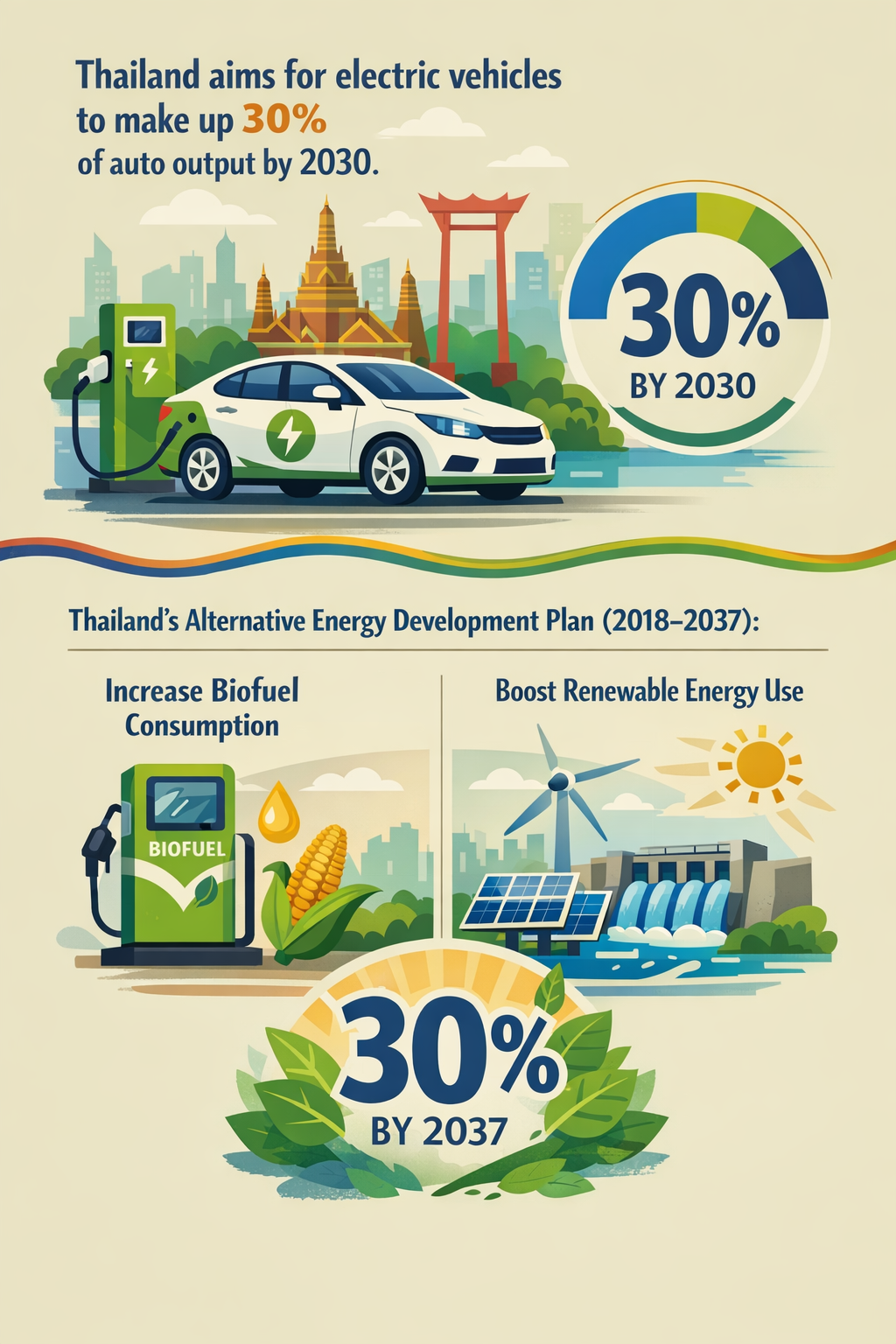
- Trends: Increasing deployment of solar-powered EV charging (e.g., Volvo’s solar carports), growing EV sales fueled by Chinese manufacturers entering new markets (e.g., BYD in Thailand), and digitization of vehicle management via apps.
- Weak Signals: Early-stage renewable energy infrastructure integration in emerging markets, nascent collaboration between automotive manufacturers and energy providers, and evolving consumer expectations around green services.
- Opportunities: Financing and insurance products tailored for renewable energy and EV sectors; partnerships with tech-enabled mobility providers; risk mitigation in carbon-intensive portfolios.
- Threats: Lagging digital innovation leading to risk underwriting blind spots; exposure to stranded assets in fossil fuel sectors; regulatory penalties from non-compliance with emerging ESG standards.
Priority Concerns
Most Immediate
- Rapid shift in automotive markets towards EVs disrupting traditional risk and asset profiles.
- Increasing demand for renewable energy infrastructure and its financing.
- Consumer and regulatory pressure for demonstrable sustainability commitments.
Most Damaging
- Failure to anticipate transition risk leading to significant portfolio devaluation.
- Climate change-driven systemic shocks in energy and transport sectors.
- Loss of market share to more agile competitors embedding technology and ESG in offerings.
Scenario Implications
Most Likely
Gradual global EV adoption supported by regulatory incentives and infrastructure expansion, requiring robust risk assessment models aligned with evolving asset classes and energy transition timelines.
Best Case
Accelerated clean energy transition with exponential EV market growth, driving demand for innovative insurance products and sustainable financing, positioning Atradius as a market leader in green risk solutions.
Worst Case
Slow or uneven EV adoption with persistent fossil fuel reliance leading to stranded assets and increased climate-related liabilities, exposing Atradius to heightened underwriting risk and reputational damage.
Stakeholder Perspectives
- Citizens/Consumers: Winners in best-case scenarios benefit from cleaner air and mobility options; potential losers if energy transitions lead to cost spikes or infrastructure gaps.
- Businesses/Automakers: Innovative EV manufacturers and renewable energy firms gain; fossil fuel dependent sectors face obsolescence risks.
- Regulators: Enforcers of emissions standards and transition policies, pressing Atradius to align risk frameworks accordingly.
- Investors: Favor entities demonstrating robust ESG integration; risk divestment from laggards.
- Vulnerable Communities: Potentially adverse impacts if energy transitions are inequitable or fail to deliver affordable access.
Transformation Roadmap
Short-Term (1–3 years)
- Technology: Develop advanced underwriting tools incorporating EV and renewable infrastructure risk data.
- Governance: Establish a dedicated ESG and energy transition steering committee.
- Infrastructure: Initiate partnerships with renewable energy startups and EV ecosystem players.
- People: Upskill teams on emerging technologies, ESG standards, and market dynamics.
- Partnerships: Formalize collaborations with clients in the sustainable mobility and energy sectors.
- Sustainability: Set interim carbon reduction targets aligned with global standards.
Mid-Term (3–7 years)
- Technology: Integrate AI and IoT data from renewable infrastructure for real-time risk management.
- Governance: Implement dynamic risk pricing tied to sustainability outcomes.
- Infrastructure: Co-finance or insure large-scale renewable energy and EV charging projects.
- People: Embed sustainability expertise into all business units.
- Partnerships: Expand cross-sector coalitions including regulators and tech innovators.
- Sustainability: Achieve measurable reductions in portfolio carbon footprint.
Long-Term (7–15 years)
- Technology: Lead development of next-gen products for emerging green technologies and smart grids.
- Governance: Institutionalize sustainability as core to all strategic decision-making.
- Infrastructure: Support global scale transition to a low-carbon economy via integrated services.
- People: Foster a culture of continuous innovation and sustainability leadership.
- Partnerships: Maintain global alliances to co-create resilient, sustainable ecosystems.
- Sustainability: Realize net-zero portfolio ambitions and contribute to systemic climate resilience.
KPIs & Metrics
- Renewable energy project financing and insurance volumes.
- Percentage reduction in portfolio carbon emissions.
- Adoption rates of green products and services.
- Employee ESG competency certification rates.
- Number and impact of strategic partnerships formed.
- Customer satisfaction and brand reputation indices related to sustainability.
Enablers & Barriers
- Enablers: Strong regulatory frameworks supporting green finance; access to clean technology data; skilled workforce; strategic alliances with tech and energy companies; funding for R&D.
- Barriers: Legacy risk systems unable to capture new data streams; resistance to organizational change; limited renewable infrastructure maturity in some markets; possible regulatory uncertainty.
Benchmarks & Case Insights
- Volvo Thailand’s solar charging station initiative exemplifies cost-saving and emissions reduction through renewable integration (SolarQuarter).
- BYD’s rapid EV market penetration in Thailand combined with integrated digital user engagement highlights opportunities in client service innovation and ecosystem building (Pandaily).
- Global insurers embedding ESG metrics into underwriting have improved risk resilience and attracted ESG-conscious capital.
Early Warning Signals
- Acceleration or slowdown in national EV adoption targets and infrastructure development.
- Emergence of new regulatory mandates on carbon reporting and sustainability compliance.
- Technological breakthroughs in storage, charging, or alternative fuels that disrupt existing models.
- Shifts in consumer or investor sentiment towards non-sustainable industry players.
Implementation Guidance
- Form an executive-level sustainability steering committee charged with roadmap oversight and agile adaptation.
- Create innovation hubs focused on digital underwriting, green product design, and emerging risks.
- Initiate pilot projects with strategic clients in renewable energy and EV sectors to test tailored insurance products.
- Engage cross-sector coalitions involving regulators, tech firms, and customers to co-develop shared standards and data analytics.
Communications & Engagement Recommendations
- Communicate the roadmap transparently across Atradius internally to align strategy and empower execution.
- Leverage sustainability achievements and pilot successes externally to build brand trust and differentiate in the market.
- Engage customers and partners through targeted forums, workshops, and digital platforms to foster collaboration and co-innovation.
- Address vulnerable communities and broader societal stakeholders by articulating inclusive transition strategies and social responsibility commitments.
Briefing Created: 02/06/2026