FUTURES WHEEL: Childhood
Central Event / Trend:
Childhood, as a critical developmental phase, is increasingly shaped by emerging health challenges, technological influences, and changing socio-economic support systems, impacting future health, education, and social equity.
First-Order Impacts (Direct):
- Rising childhood obesity rates leading to early onset chronic health conditions
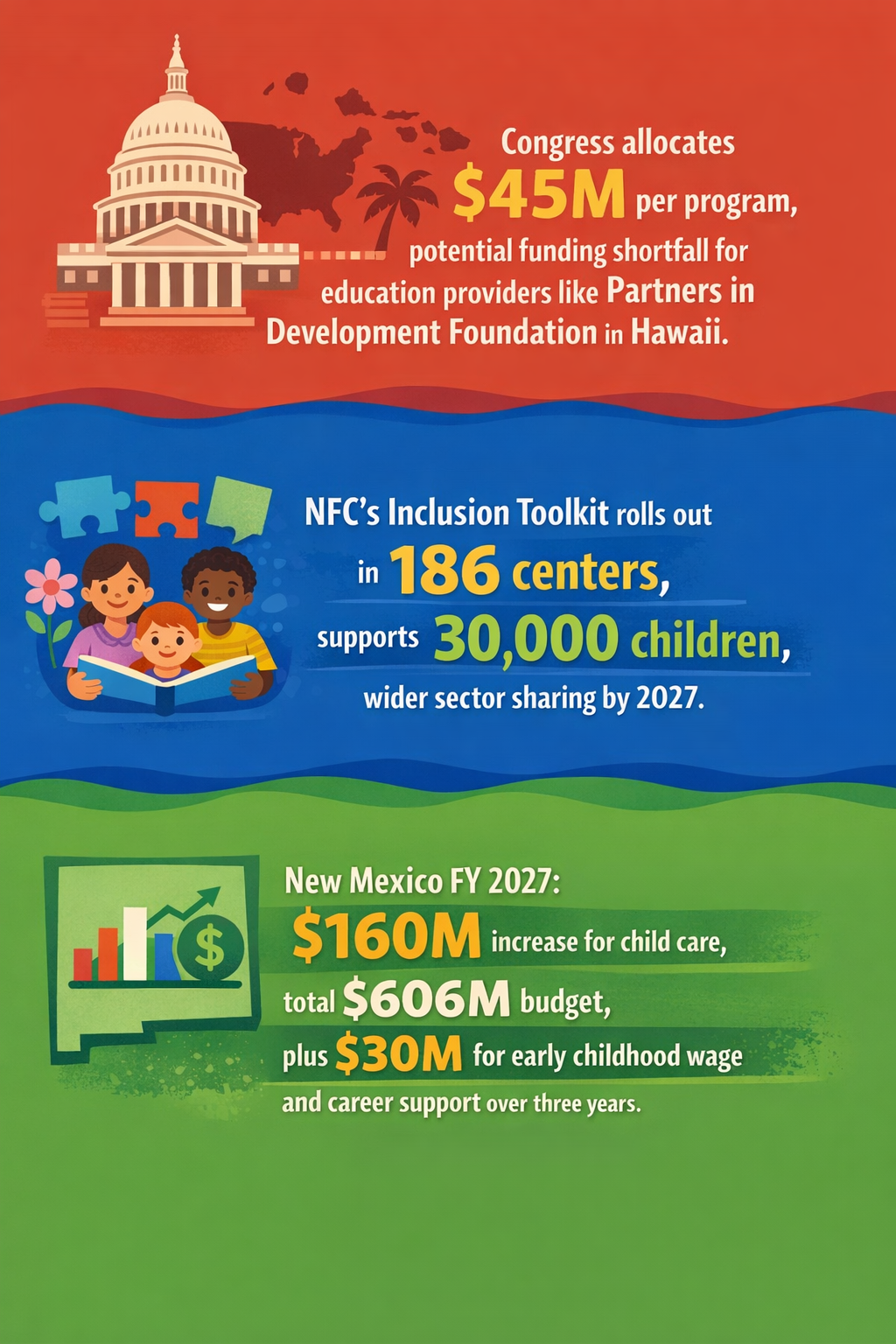
- Expanded inclusive early childhood education programs and resources
- Fluctuating and often insufficient public funding for early childhood care and education
- Growing parental concern and regulatory calls around AI toys and digital influences
- Budget cuts to critical public health programs affecting childhood disease prevention
Second-Order Impacts (Indirect):
- Rising childhood obesity rates →
- Increased healthcare costs and strain on health systems due to hypertension, cardiovascular disease in youth
- Reduced productivity and quality of life over the lifespan
- Expanded inclusive education →
- Improved developmental outcomes and social equity for children with diverse needs
- Increased demand for properly trained educators and support staff
- Funding fluctuations →
- Program instability leading to gaps in access and quality of early childhood services
- Potential widening of socio-economic disparities in childhood development opportunities
- Parental concerns over AI toys →
- Pressure for stronger oversight and transparency in AI child-focused products
- Potential innovation slowdowns or redirected R&D to ethical AI in childhood contexts
- Public health budget cuts →
- Reduced capacity to address childhood lead poisoning, infectious threats, diabetes prevention
- Increased long-term public health risks and disparities
Third-Order Impacts (Systemic):
- Chronic childhood health issues →
- Long-term demographic shifts with higher adult morbidity and mortality
- Escalating health inequities that reinforce socio-economic divides
- Inclusive education scaling →
- More resilient and diverse future workforce better adapted to complex social challenges
- Potential paradigm shift towards universal design in education and care systems
- Unstable funding environment →
- Entrenchment of regional disparities in early childhood development leading to systemic inequality
- Potential social unrest or political pressure to reform funding mechanisms
- Ethical AI oversight in childhood products →
- Emergence of global regulatory frameworks shaping AI ethics in children’s contexts
- Shifts in consumer trust and industry standards impacting innovation trajectories
- Weakened public health programs →
- Increased vulnerability to pandemics and environmental health hazards affecting children
- Long-term societal economic burden due to preventable diseases and disabilities
Emerging Patterns:
- Interconnectedness of childhood health, education quality, and socio-economic equity
- Critical role of sustainable funding and policy stability in early childhood development ecosystems
- Growing importance of ethical governance in emerging technologies impacting children
- Health crises in childhood as early indicators of broader systemic vulnerabilities
Strategic & Policy Implications:
- Implement comprehensive, sustained investment strategies for early childhood health and education programs
- Develop and enforce robust ethical standards and transparency for AI technologies targeted at children
- Prioritize cross-sector collaboration to address childhood obesity through integrated health, nutrition, and physical activity initiatives
- Strengthen public health infrastructure focusing on preventative programs for childhood diseases and environmental risks
- Create adaptive funding models to ensure continuity and equity in early childhood services despite political or economic shifts
Sources:
(PMC - Childhood Obesity Risks),
(Straits Times - Inclusive Early Childhood Practices),
(Education Week - Funding Challenges),
(New Mexico Gov. - Universal Child Care Law),
(World Obesity Federation),
(JD Supra - AI Toymaker Transparency),
(Willamette Valley Magazine - CDC Budget Cuts)