Our Scans
·
Climate & Ecosystem Stability
·
Future Wheel
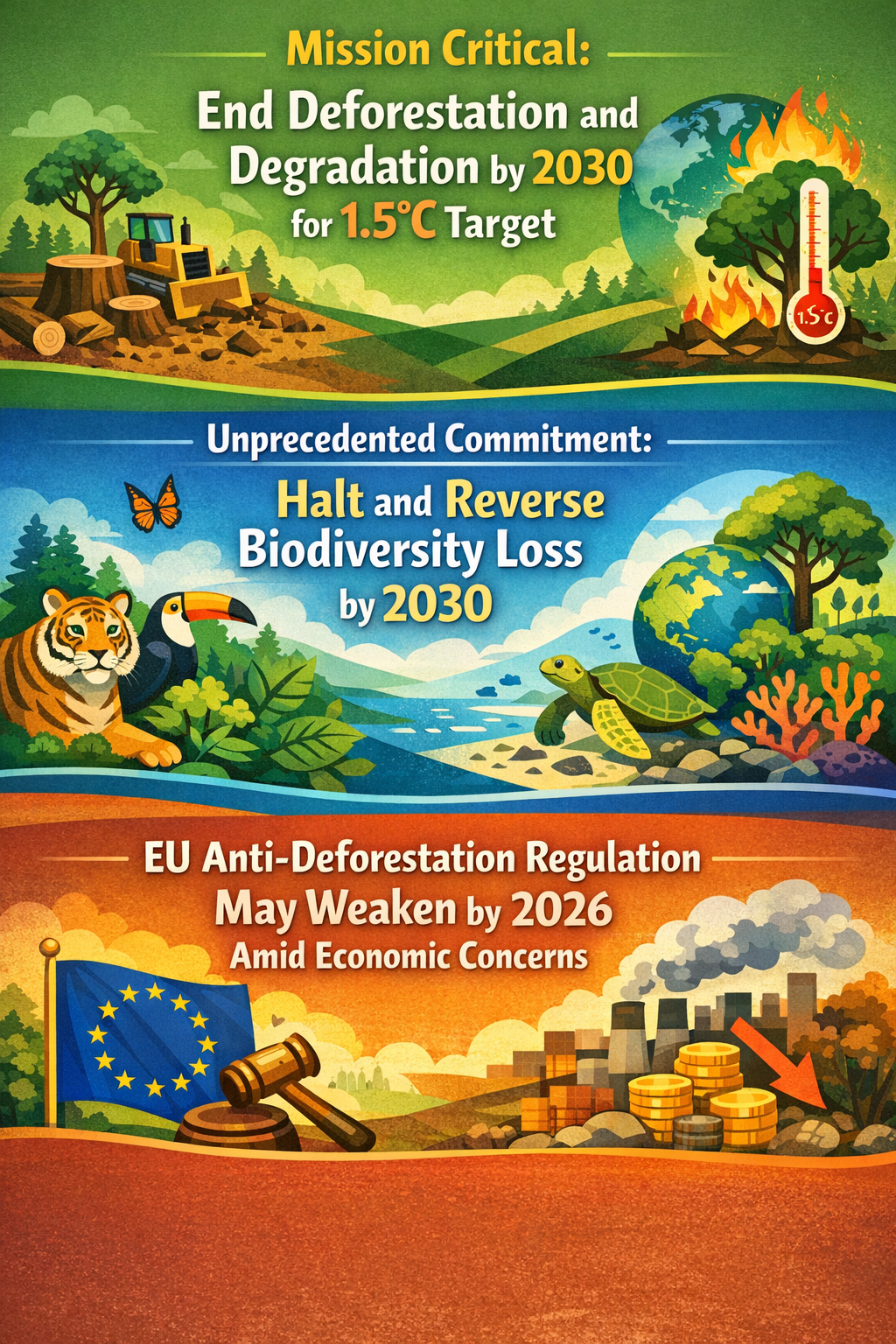
FUTURES WHEEL: Climate & Ecosystem Stability
Central Event / Trend:
Climate and ecosystem stability refers to maintaining balanced environmental conditions and resilient natural systems critical to sustaining life, economies, and human wellbeing amid accelerating climate change and biodiversity loss. Ensuring this stability matters as disruptions threaten global food security, natural resource availability, and socio-economic stability.
First-Order Impacts (Direct):
- Increased frequency of extreme weather events disrupting ecosystems and communities.
- Accelerated biodiversity loss and ecosystem degradation reducing natural resilience.
- Rising ocean acidification undermining fisheries and aquaculture productivity.
- Heightened supply chain vulnerabilities linked to ecosystem instability.
- Global commitment intensifying to halt deforestation and biodiversity loss.
- Innovation in sustainable raw materials (e.g., wheat straw as alternative to wood pulp).
- Pressure on regulations aimed at balancing environmental enforcement and economic concerns.
Second-Order Impacts (Indirect):
- Extreme weather → Increased crop failures and food insecurity → Social unrest and migration pressures.
- Biodiversity loss → Reduced ecosystem services (pollination, water purification) → Increased costs for agriculture and health.
- Ocean acidification → Collapse of fisheries → Loss of livelihoods, nutritional deficits in vulnerable populations.
- Supply chain risks → Business adaptation needs and increased operational costs → Innovation in resilient sourcing and materials.
- Global conservation commitments → Mobilization of finance and policy frameworks → Enhanced cross-sectoral cooperation.
- Sustainable material alternatives → Reduced deforestation pressure → Shift in industrial supply chains and consumer behavior.
- Regulatory weakening (e.g. EU Anti-Deforestation Regulation) → Short-term cost relief but long-term environmental degradation risks → Political tensions over trade and sustainability goals.
Third-Order Impacts (Systemic):
- Widespread ecosystem collapse and resource scarcity → Geopolitical conflicts over land and water → Shifts in global power balances and migration patterns.
- Integrated climate-biodiversity-finance initiatives → Emergence of new governance paradigms prioritizing systemic ecological resilience → Transformation of global economic models towards sustainability.
- Consumer and business adoption of circular economy and bio-based materials → Cultural shift towards sustainable consumption → Reduction in carbon footprint and slow-down of deforestation.
- Failure to enforce environmental regulations → Entrenchment of extractive economies and socio-economic disparities → Increase in climate refugees and loss of indigenous cultural heritage.
- Positive feedback loops between ecosystem restoration and social wellbeing → Enhanced community resilience and diversified livelihoods → Long-term stabilization of food systems and ecosystems.
Emerging Patterns:
- Interconnectedness of climate and biodiversity: Environmental stability hinges on integrated action addressing multiple ecosystem components simultaneously.
- Socio-economic vulnerability linked to ecosystem health: Food security, supply chain resilience, and livelihoods are deeply dependent on functioning ecosystems.
- Governance complexity and fragmentation: Policy efforts face challenges due to competing economic interests and uneven political commitment.
- Innovation & circularity as leverage points: Materials substitution and finance integration offer pathways to reduce environmental impact and build resilience.
Strategic & Policy Implications:
- Strengthen and synchronize global frameworks for climate, biodiversity, and finance to enable coherent action and prevent policy dilution (Greenpeace).
- Prioritize ecosystem-based approaches in food and supply chain strategies to boost resilience and reduce vulnerability (The Fishing Daily).
- Promote sustainable materials innovation to reduce deforestation pressures and support circular economies (Good On You).
- Maintain robust regulatory enforcement despite economic pressures to safeguard long-term environmental and socio-economic stability (Fitch Solutions).
- Invest in ecosystem restoration and resilience building as no-regret actions yielding benefits across climate, biodiversity, and social domains (EurekAlert).
Briefing Created: 24/06/2026