Our Scans
·
AI and Machine Learning
·
Intelligence Briefing
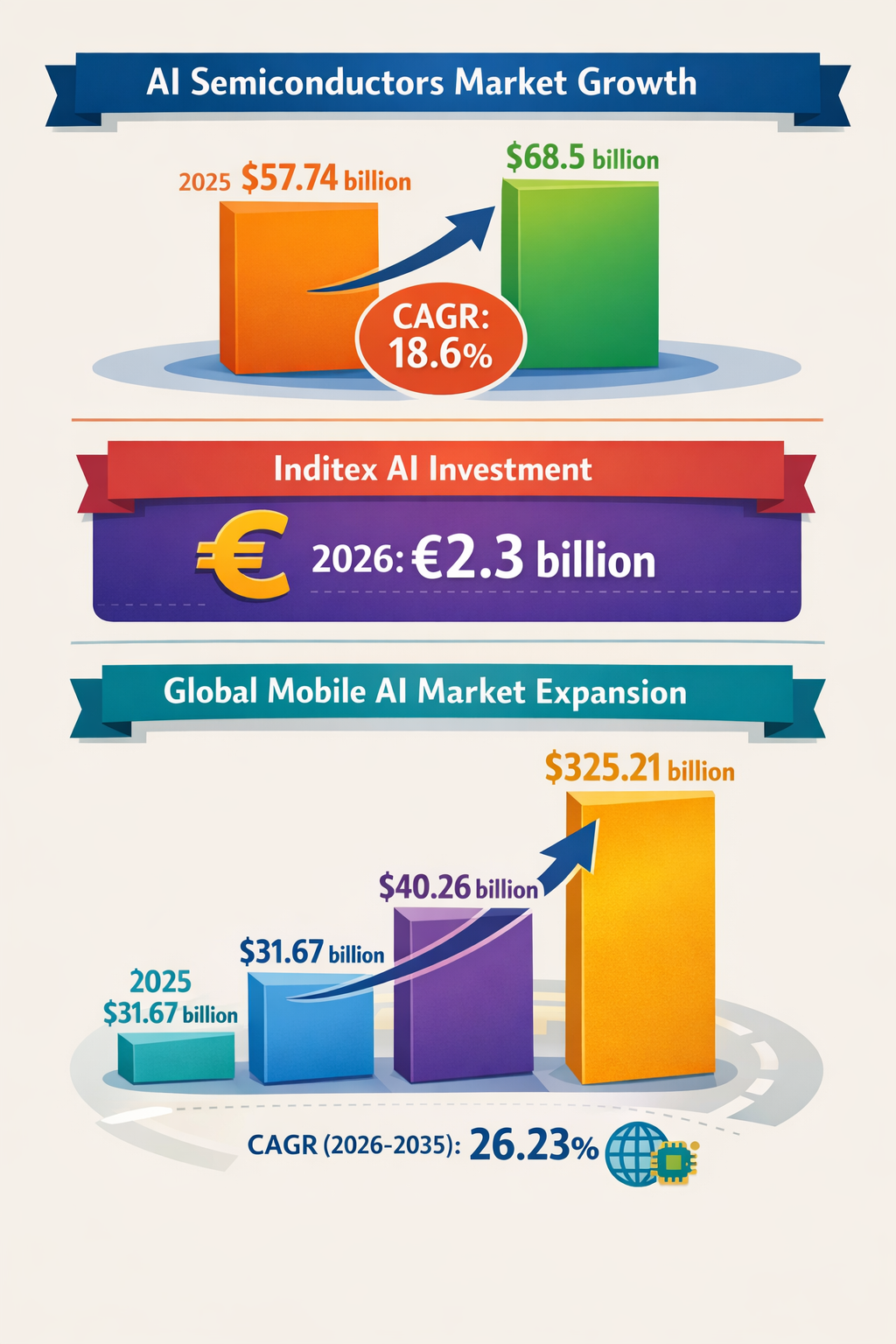
Intelligence Briefing about AI and Machine Learning
Emerging Trends
- AI is transitioning from an operational efficiency tool to a core strategic component reshaping entire organizations and industries (Workinton).
- The rapid evolution of AI into autonomous enterprise systems capable of orchestrating complex workflows is driving unprecedented industry disruption (Spherical Insights).
- Significant investment flows are fueling expansion in AI capabilities and infrastructure, from corporate projects to multi-billion-dollar specialized campuses (The Edge Malaysia; Data Center Knowledge).
- Energy and environmental constraints increasingly challenge AI growth, prompting consideration of space-based power and computing as long-term solutions (The Wealth Advisor; UN News).
- Public concerns over losing control of advanced AI systems have led to calls for global development freezes, signaling rising risk awareness (SMH).
Key Challenges, Opportunities, and Risks
- Challenges: Managing AI’s environmental footprint amid growing computational demands; balancing rapid innovation with governance to avoid loss of control; addressing credit and geopolitical risks related to AI deployment especially in volatile regions (Asian Banking & Finance).
- Opportunities: Leveraging AI as a strategic backbone for competitive advantage; tapping large-scale investments and new infrastructure developments; exploring space-based AI computing to overcome terrestrial energy limits; capitalizing on major IPOs linked to AI leaders and adjacent technologies (EP Wealth; SFA Research).
- Risks: Potential uncontrollable advancement of AI posing global security and ethical dilemmas; environmental degradation from AI’s carbon emissions; financial exposure in non-bank sectors amid AI-related credit risks; disruptive geopolitical conflicts intersecting with AI technology proliferation.
Scenario Development
- Best-case: Global cooperation leads to responsible AI governance; breakthroughs in space-based energy and computing sustainably power AI; AI integration drives economic growth and solves complex societal challenges.
- Moderate-progress: AI continues rapid adoption with patchy regulations; environmental impact is partially mitigated by technological improvements; some geopolitical tensions disrupt AI supply chains but do not escalate majorly.
- Challenging: Energy and environmental limits hamper AI scalability; lack of coordinated governance leads to fragmented AI controls; credit risks and regional conflicts cause financial market instability.
- Worst-case: Unchecked AI development results in loss of human oversight; severe environmental damage accelerates climate crises; geopolitical strife intensified by AI weaponization; major global economic disruptions occur.
Strategic Questions
- How can ETDA influence or participate in establishing effective governance frameworks to balance AI innovation with ethical and safety concerns?
- What strategic investments could ETDA prioritize to support sustainable AI infrastructure, including emerging space-based computing solutions?
- In what ways can ETDA prepare for and mitigate financial and geopolitical risks linked to widespread AI adoption in the Asia-Pacific region?
- How might ETDA position itself to leverage large-scale AI-driven transformations while managing associated environmental and operational challenges?
Actionable Insights for Strategic Decision-Making
- ETDA could engage proactively with international and regional stakeholders to shape AI governance standards and risk mitigation practices.
- Allocating resources toward research on clean, energy-efficient AI technologies and potential partnerships in space-based computing might future-proof AI development capacity.
- Building adaptive policy frameworks that address AI’s evolving credit, security, and environmental risks could fortify resilience against disruptive shocks.
- Monitoring AI-driven market IPOs and corporate investments could reveal crucial opportunities for strategic collaboration or oversight.
Briefing Created: 12/06/2026