
A Gartner survey of 337 senior enterprise risk executives highlights information integrity risk as the primary emerging concern in early 2026, overtaking previously dominant economic growth worries. This shift is linked to the increased deployment of AI-enabled decision-making systems and the lack of clear AI transparency regulations. AI workforce preparedness is introduced as a significant new risk factor, with three out of the top five emerging risks involving AI and technology concerns. Notably, economic risks related to low growth, inflation, and unemployment have declined in prominence.
Key Takeaways:Anthropic's June 2026 developments include opening a new office in Seoul and signing a memorandum of understanding with South Korea's Ministry of Science and ICT to collaborate on AI safety, cybersecurity, and Korean language model evaluation. Despite optimism from Anthropic leadership about restoring their Fable 5 model after a US government export control ban, the suspended service remains offline due to stringent zero-jailbreak demands deemed technically unfeasible by experts. Meanwhile, the company has secured multiple large enterprise deployments across Korean firms, demonstrating significant regional growth in AI adoption despite regulatory setbacks. The broader AI ecosystem witnessed a concentrated surge of new model launches and infrastructure investments. Additionally, the Federal Energy Regulatory Commission issued orders to expedite grid access for AI data centers, highlighting infrastructure challenges.
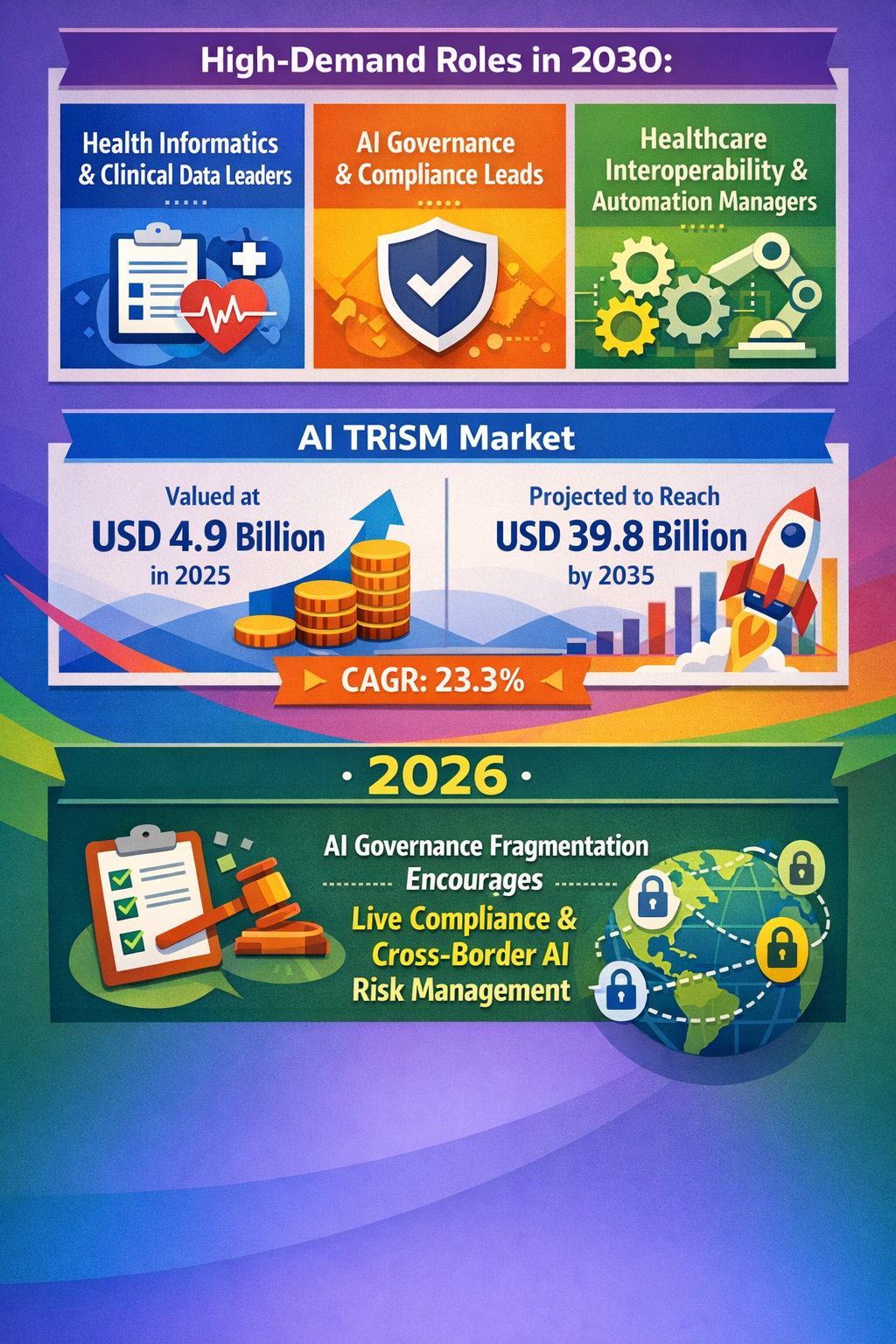
Key Takeaways:In mid-2026, multiple landmark legal and regulatory events collectively dismantled the notion of a harmonized AI governance framework. The CNN lawsuit against Perplexity AI for extensive copyright infringement, xAI’s constitutional challenge to Colorado’s AI anti-discrimination law, and OpenAI’s launch of its real-time “Frontier Governance Framework” underscore a new reality: AI regulatory compliance is fragmented, dynamic, and cross-jurisdictional. Static, checklist-based compliance approaches are obsolete. Enterprises must adopt live compliance strategies incorporating automated horizon scanning, scenario-based playbooks, dynamic contract management, and AI-specific insurance approaches. This environment demands agile operational practices, executive engagement, and integrated risk frameworks across legal, procurement, and technology teams to navigate escalating and discontinuous AI governance risks.
Key Takeaways:As AI permeates insurance processes such as underwriting, claims processing, and fraud detection, organizations face novel risks including model drift, bias, and unexplainable outputs. Effective AI governance is essential to identify, monitor, and control these risks continuously rather than through one-off audits. Insurance risk teams are advised to establish clear accountability at both model and program levels, embed operational decision authority, and develop comprehensive, risk-tiered AI model inventories. Validation and monitoring must be integrated throughout the model lifecycle, focusing on business outcome shifts rather than raw technical alerts to avoid fatigue. Governance programs must include clear escalation and remediation protocols linked to existing operational risk reporting. Sustainability requires ongoing accountability clarity and adaptive application to keep pace with evolving AI risks and regulatory expectations.
Key Takeaways:Anthropic advocates for top AI developers to establish a coordinated global mechanism enabling a temporary pause in the development of advanced AI systems, should risks escalate beyond safety thresholds. The reasoning stems from accelerating AI capabilities, including potential recursive self-improvement, which could lead to loss of human oversight. Such coordination aims to prevent “least cautious” actors from exploiting unilateral slowdowns, ensuring trust and compliance across competing entities. This proposal contrasts with OpenAI’s position favoring governmental regulation over private sector-led pace control. The call responds to emerging AI security concerns including novel autonomous hacking tools demonstrated by recent academic research. Anthropic intends collaborative research and action toward credible slowdown frameworks.
Key Takeaways:The U.S. healthcare sector faces a patchwork AI regulatory landscape without a unified federal law. Federal agencies have issued certain AI-related guidelines addressing devices, algorithmic transparency, and prior authorization, but most regulatory authority lies with states. In 2026, over 250 AI-related health bills were introduced across 34 states targeting transparency, consumer protections, and algorithmic oversight especially in areas like mental health chatbots and clinical decision support. Utah’s experimental regulatory sandbox represents a model for testing AI innovations under supervised conditions. Other states, including New York and Texas, have advanced comprehensive AI governance frameworks with significant implications for healthcare AI applications affecting patient safety and automated decisions. Providers must proactively build flexible governance, embedding human oversight and strengthening third-party risk management to navigate this multifaceted regulatory environment effectively.
Key Takeaways:June 1, 2026 marked a milestone with Anthropic raising $65 billion at a $965 billion valuation, surpassing OpenAI as the most valuable private AI company. Concurrently, Apollo Global Management and Blackstone structured a $36 billion private credit deal to fund Anthropic’s acquisition of Google TPU chips, pioneering AI compute infrastructure financing. SoftBank pledged €75 billion to build 5 GW of AI data centers in France, representing Europe’s largest AI infrastructure investment. In software, Cognition raised $1 billion at a $26 billion valuation. GitHub Copilot shifted to token-based billing, eliciting significant developer backlash over cost unpredictability. Security risks surfaced with the first confirmed LLM agent-led cyberattack exploiting a critical Starlette framework vulnerability, enabling rapid AWS database exfiltration. Additionally, Foundation Future Industries deployed autonomous humanoid robots to Ukraine’s battlefield for logistics evaluation, triggering policy discussions on autonomous weapons. Industry visionaries including Google DeepMind’s Demis Hassabis projected AGI arrival by 2029, reflecting converging CEO timelines. OpenAI launched a biodefense AI initiative enhancing pandemic preparedness. Microsoft Build 2026 is anticipated to reveal new AI coding models and governance tools facilitating enterprise deployment in regulated environments.
Key Takeaways:Healthcare organizations are investing heavily in AI and digital transformation but face persistent challenges in workforce adaptation, operational complexity, and technology integration. Industry experts predict that by 2030, the most valuable healthcare roles will transcend traditional silos, emphasizing hybrid expertise that bridges clinical, operational, data, and technological domains. The emerging "Healthcare Systems Architect" or "Clinical AI Architect" roles are envisaged as strategic linchpins ensuring that technology deployment aligns with patient care realities and governance requirements. AI governance leaders, interoperability specialists, data strategists, and cybersecurity professionals will be critical to managing risk and compliance amid accelerating AI adoption. Adaptive learners and translators who can convert clinical and operational nuances into technical solutions will drive successful healthcare innovation. Emphasis is on cross-functional leadership, continuous learning, and embedding AI governance into everyday healthcare workflows.
Key Takeaways: