Our Scans
·
Critical Minerals
·
BLUF
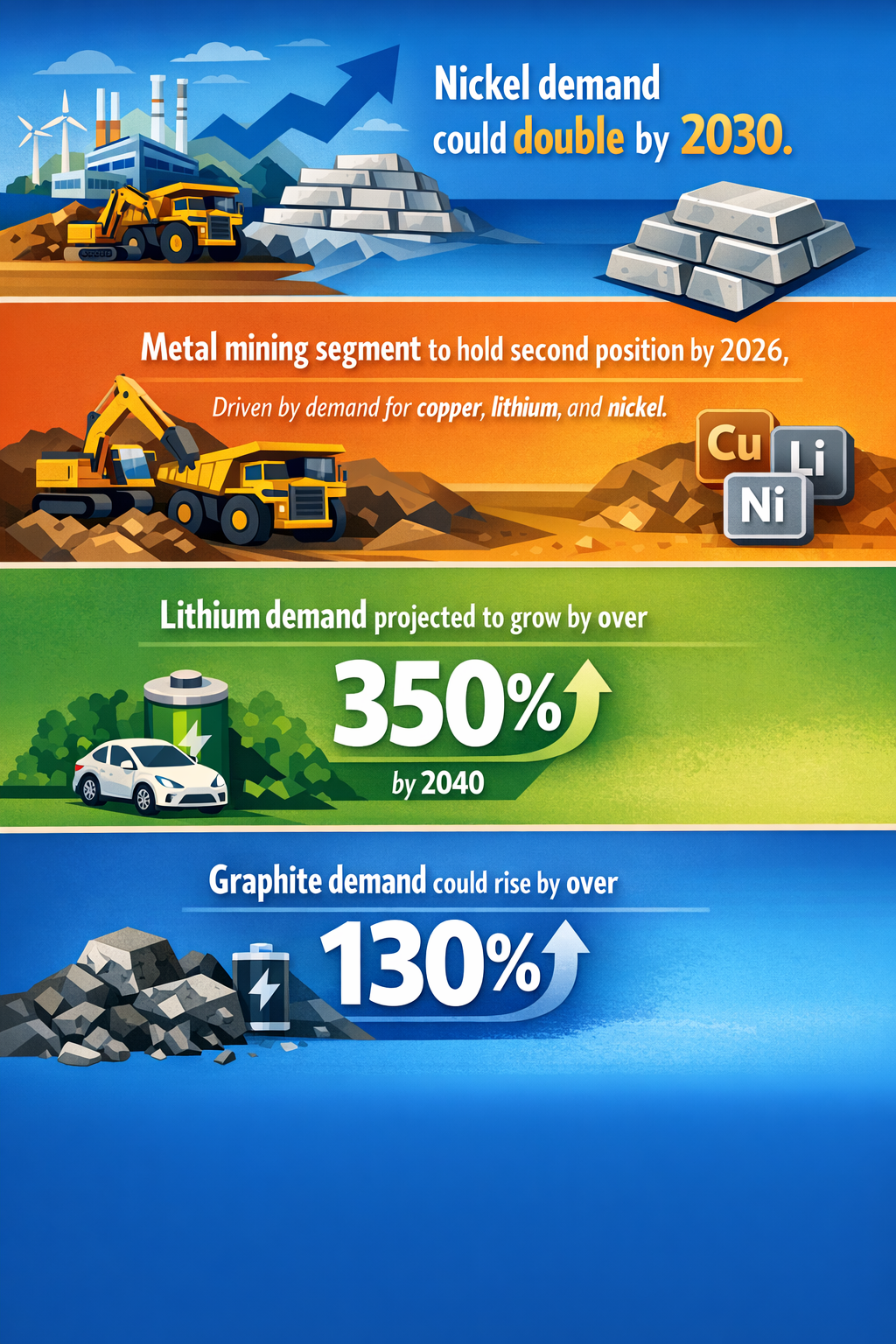
- BLUF: Critical minerals supply chains face medium- to long-term risks from concentrated production, geopolitical tensions, and climate impacts; immediate action is required to diversify sourcing, scale domestic processing, and enhance recycling to ensure supply resilience and support clean energy transitions.
- Supporting Detail:
- Critical mineral demand, especially lithium (+350% by 2040) and graphite (+130%), is surging, while supply and refining are highly concentrated in few countries, notably China and Indonesia.
- Geopolitical tensions, export restrictions, conflict, and trade fragmentation threaten stable access to minerals essential for EVs, batteries, and renewables.
- Supply chains are vulnerable to climate risks including water scarcity, extreme weather, and trade route disruptions at chokepoints like the Panama Canal and Strait of Hormuz.
- These vulnerabilities could cause supply bottlenecks undermining energy security and the pace of decarbonization efforts.
- Implications / risks: Supply shortages, price volatility, disruption to clean energy technology deployment, and potential escalation of resource-driven geopolitical conflicts.
- Recommended action / next step: Accelerate investment in diversified mining and processing (including North America and Europe), scale battery recycling technologies, implement strategic stockpiles, enhance international cooperation on supply chain transparency, and invest in climate-resilient infrastructure at critical nodes.
- Confidence level in assessment: High
(UK Government Office for Science),
(UNCTAD 2026),
(IEA Canada Critical Minerals Review 2026),
(IMARC Group EV Battery Recycling Report 2026)
Briefing Created: 24/06/2026