Our Scans
·
PFAS
·
Intelligence Briefing
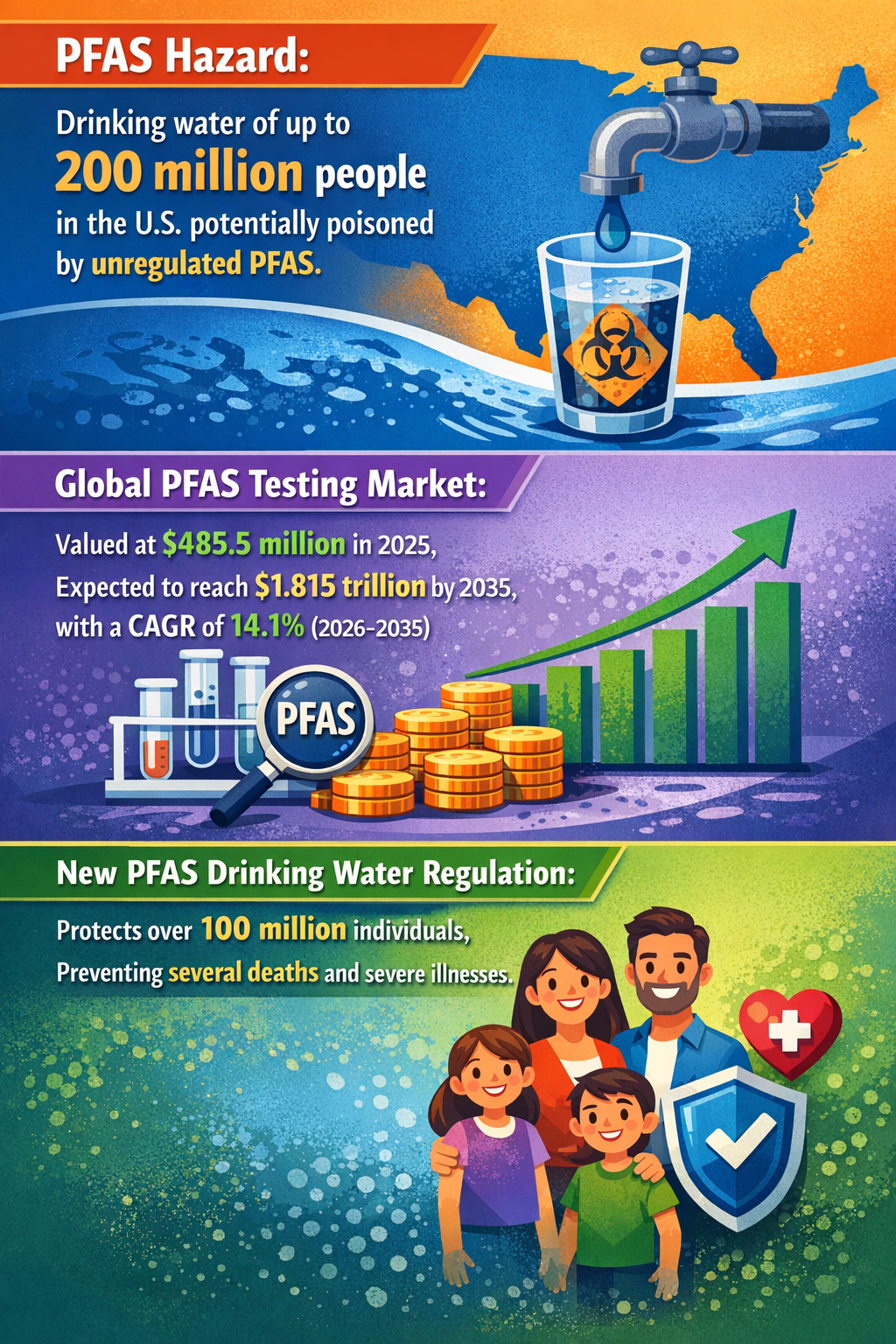
Intelligence Briefing about PFAS
Critical Trends Impacting Atradius
- Increasing regulatory pressure in Europe and the U.S., notably the European Chemicals Agency’s (ECHA) anticipated restriction proposal on PFAS emissions by 2026.
- Significant public and media attention on PFAS contamination risks to human health and environment, fueled by high-profile cases and documentaries.
- Growing investments in PFAS testing and remediation, including a USD 1 billion EPA fund dedicated to improving public water system safety.
- Technological advancements potentially lowering the cost of PFAS removal, balanced by stringent compliance deadlines that pose operational challenges for water systems.
Key Challenges, Opportunities, and Risks
- Challenges: Meeting evolving regulatory standards could impose financial and operational burdens on insured entities, particularly in water utilities and industries reliant on PFAS-containing products.
- Opportunities: Enhanced risk assessment and underwriting sophistication through integrating PFAS contamination data and emerging regulatory landscapes.
- Risks: Potential liability exposures linked to widespread contamination claims and legacy PFAS pollution, impacting claims frequency and severity.
- Market Dynamics: Delays in regulatory compliance timelines may enable cost efficiencies via innovation but also mask underlying remediation challenges.
Scenario Development
- Best-Case: Accelerated regulatory clarity and technology improvements reduce remediation costs; industries adapt promptly, limiting liabilities and reputational damage.
- Moderate Progress: Regulations take effect by 2026 with phased compliance extensions; costs remain manageable but compliance complexity rises for insureds.
- Delayed Compliance Impact: Compliance extensions extend timelines; some entities face operational failures or financial strain, increasing claims and underwriting uncertainty.
- Worst-Case: Widespread non-compliance and legacy contamination result in mass litigation and reputational crises; insurance portfolios experience significant losses and increased premiums.
Strategic Questions
- How can Atradius adjust risk models to factor in the evolving regulatory landscape and PFAS-related liabilities?
- What partnerships or data sources could improve monitoring of PFAS contamination trends for proactive risk management?
- How might timeline extensions for compliance affect Atradius’s exposure and pricing strategies in affected sectors?
- What role can Atradius play in supporting clients’ transitions away from PFAS-dependent operations?
Actionable Insights and Considerations
- Atradius could enhance risk assessment frameworks by incorporating PFAS regulatory timelines and remediation technology developments.
- Investment in data analytics capabilities could enable earlier identification of emerging PFAS-related risks within client portfolios.
- Scenario planning involving compliance delays and technology adoption rates could inform underwriting guidelines and claims reserves.
- Engaging with regulators and industry groups could position Atradius to influence and adapt to policy changes proactively.
Sources:
Chemistry World,
European Commission Environment,
Data Mintelligence,
Insurance Journal,
Earthjustice,
JD Supra,
National Law Review,
EPA
Briefing Created: 25/06/2026