Our Scans
·
Geopolitics
·
Key Findings (PINS)
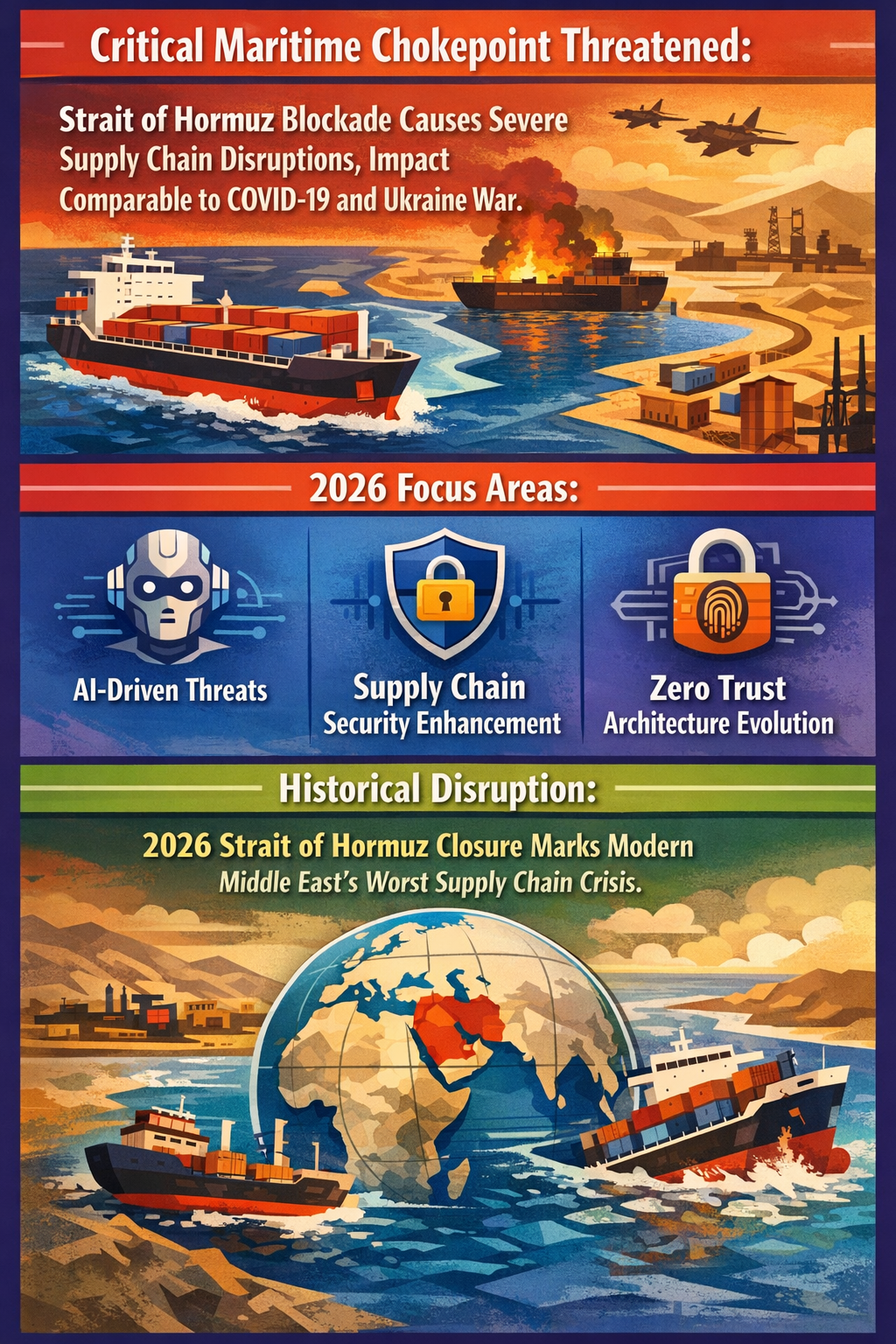
This month’s horizon scanning activity highlights significant geopolitical tensions and their cascading effects on global supply chains, insurance markets, and security frameworks. Key developments center around the ongoing Middle East conflict’s impact on logistics and inflationary pressures, alongside evolving cybersecurity concerns driven by AI threats and zero trust models. These factors collectively signal increased complexity and risk in the external operating environment up to 2035.
Appeals
- Heightened geopolitical instability in the Middle East, particularly surrounding the Strait of Hormuz closure in 2026, is provoking supply chain delays that could affect the timelines and costs associated with infrastructure appeals and related compliance assessments. This disruption is noted as the most severe in modern history, emphasizing the need for appeals considerations around resilience and contingency planning (Carraglobe).
Applications
- Insurance providers operating in the Pacific and globally continue to monitor inflationary pressures tied to repair and replacement costs due to supply chain disruptions caused by the Middle East conflict. This may lead to increased premiums and financial risk assessments influencing application evaluations, particularly in sectors reliant on imported materials (Aon).
Plans Examinations
- The 2026 security agenda is increasingly focused on combating AI-driven cyber threats and reinforcing supply chain security through zero trust architectures. Plans involving critical infrastructure and technology adoption will likely need to integrate enhanced cybersecurity measures reflecting these evolving standards (Senthorus).
Briefing Created: 07/09/2026