Global Scans
·
MAGA
·
Intelligence Briefing
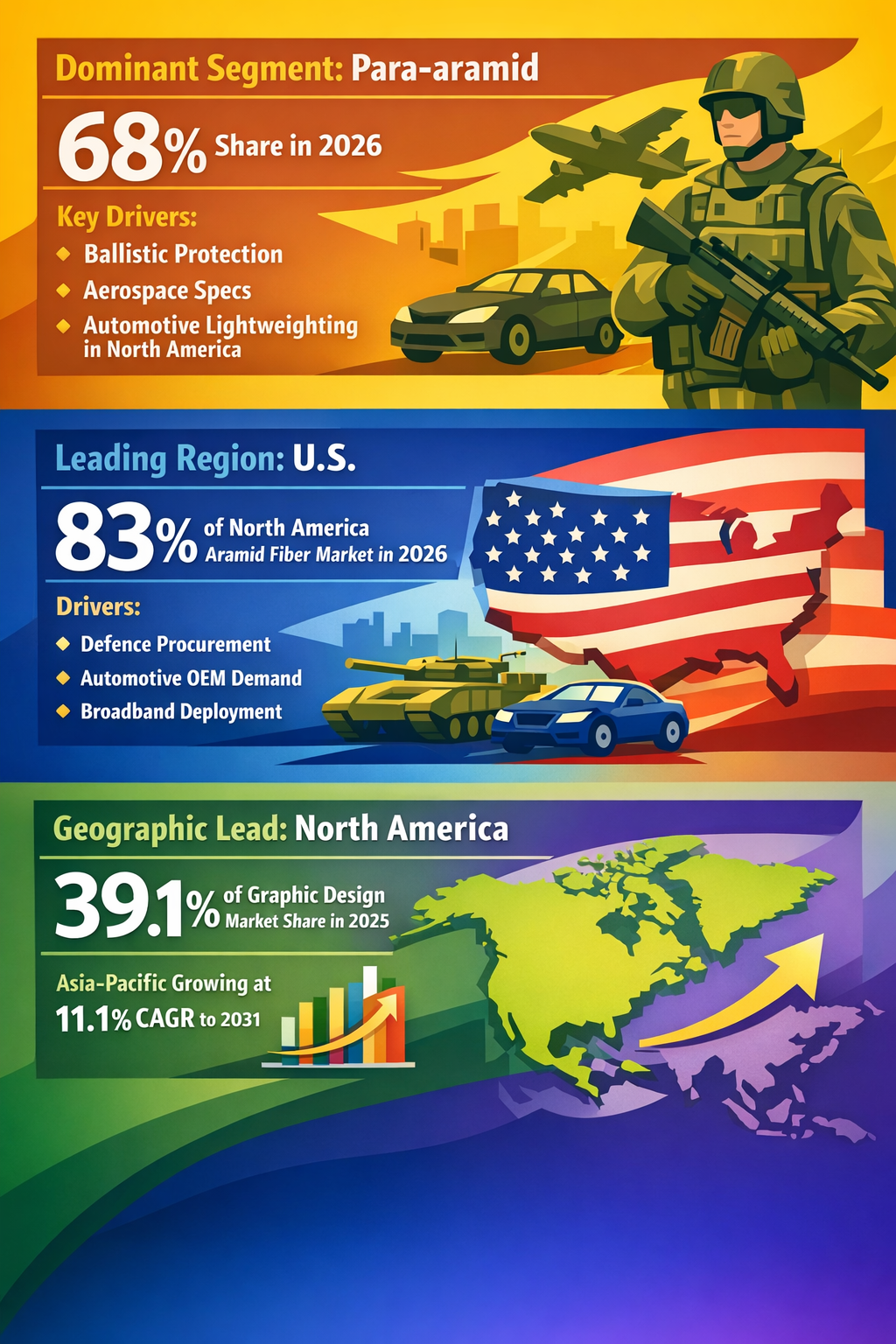
Intelligence Briefing about MAGA
Critical Trends Impacting the Organization
- AI Weaponization and Cyber Threats: Increasing integration of generative AI by China-aligned threat actors to enhance cyberattack sophistication and lifecycle management (TrendAI Security).
- AI Commercialization and Infrastructure Transformation: Major technology players like IBM utilizing AI platforms to disrupt traditional sectors, such as port digitalization, bypassing established procurement models (Fairfield Market Research).
- Shift in AI Investment Focus: Enterprise spending on AI inference surpasses training for the first time, signaling mature operational deployment and growing cloud infrastructure demands (Spearhead Intelligence).
- Regional Leadership in AI Applications: North America leads in AI governance, security, healthcare robotics, and digital agriculture adoption, supported by favorable regulatory and financial environments (Maximize Market Research, Persistence Market Research, Persistence Market Research).
- Emerging Regulatory Frameworks: Developing mandates focus on cyber incident transparency, vendor accountability, and climate-related disclosures that will increasingly influence operational compliance (Mordor Intelligence).
- Breakthroughs in AI Hardware and Robotics: OpenAI’s custom inference chip and humanoid robot development indicate acceleration towards advanced AI integration in physical systems and potential AGI milestones (Forbes).
Key Challenges, Opportunities, and Risks
- Challenges: Navigating the security landscape where AI is weaponized by nation-state actors; managing regulatory complexity across evolving cyber and climate frameworks; and mitigating technological disruption in legacy infrastructure sectors.
- Opportunities: Leveraging AI governance and compliance leadership to shape policy; capitalizing on North America’s demand for AI-powered healthcare and agriculture innovations; and adopting new AI inference technologies to enhance service delivery and operational efficiency.
- Risks: Heightened exposure to sophisticated AI-enabled cyberattacks undermining trust; potential regulatory non-compliance penalties; and dependency on emerging AI hardware platforms that may face safety or ethical uncertainties.
Scenario Development
Four plausible futures considering key drivers such as AI weaponization, regulatory evolution, technology adoption pace, and geopolitical alignments:
- Best-Case Scenario - “AI-Enabled Resilience”: Effective cross-sector collaboration leads to robust AI governance frameworks; advanced AI and robotics enhance economic productivity; cyber threats are managed through proactive defense innovations.
- Moderate Scenario - “Fragmented Innovation”: Regulatory patchworks slow AI deployment; cyber threats increase but are partially mitigated; North America retains leadership but global collaboration weakens, creating siloed technology ecosystems.
- Challenging Scenario - “Cyber Weaponization Surge”: Adversarial state actors leverage AI for disruptive attacks causing widespread infrastructure outages; regulatory bodies struggle to keep pace; investments shift toward defensive technologies at the expense of innovation.
- Worst-Case Scenario - “AI Governance Collapse”: Rapid, unchecked AI proliferation leads to systemic cyber risks and ethical crises; regulatory frameworks fail to materialize effectively; economic and social instability result, undermining technological trust.
Strategic Questions
- How can we integrate AI governance and security policies to proactively counter emerging AI-powered cyber threats?
- What approaches could optimize regulatory compliance while enabling agile adoption of AI-driven technologies in critical sectors?
- In what ways can we collaborate with industry leaders and international partners to shape ethical and secure AI hardware and robotics development?
- How should resource allocation be balanced between defensive cyber capabilities and innovation-driven investments?
- What early indicators could signal shifts in the geopolitical landscape affecting AI technology dominance and threat environments?
Actionable Insights and Considerations
- Developing dynamic AI risk assessment frameworks could improve resilience against adaptive adversaries integrating generative AI in attacks.
- Investing in scalable AI inference infrastructure could position the organization to leverage increasing operational AI workloads cost-effectively.
- Engaging in policy dialogues around cyber incident transparency and climate-related reporting could help shape balanced and feasible regulatory standards.
- Exploring partnerships with technology firms deploying next-generation AI hardware may provide early access to transformative capabilities.
- Pursuing cross-sector collaboration models may enhance innovation while maintaining necessary security protocols across emerging AI applications.
Briefing Created: 13/09/2026