Our Scans
·
AI, digital and advanced computing
·
Rumsfeldian Logic
1. Known Knowns
- AI adoption is expanding rapidly across industries, significantly improving operational efficiency, project success rates, and risk management, with 78% of organizations using AI in at least one function by 2025 (Tommaso Maria Ricci).
- Quantum computing is emerging as a transformative technology with commercial applications growing fast, affecting cybersecurity, national security, and economic competitiveness (Forbes).
- Cybersecurity threats increasingly leverage AI to automate attacks, making defense with AI-powered detection and analytics essential; demand for cybersecurity professionals remains strong (Boston Institute of Analytics).
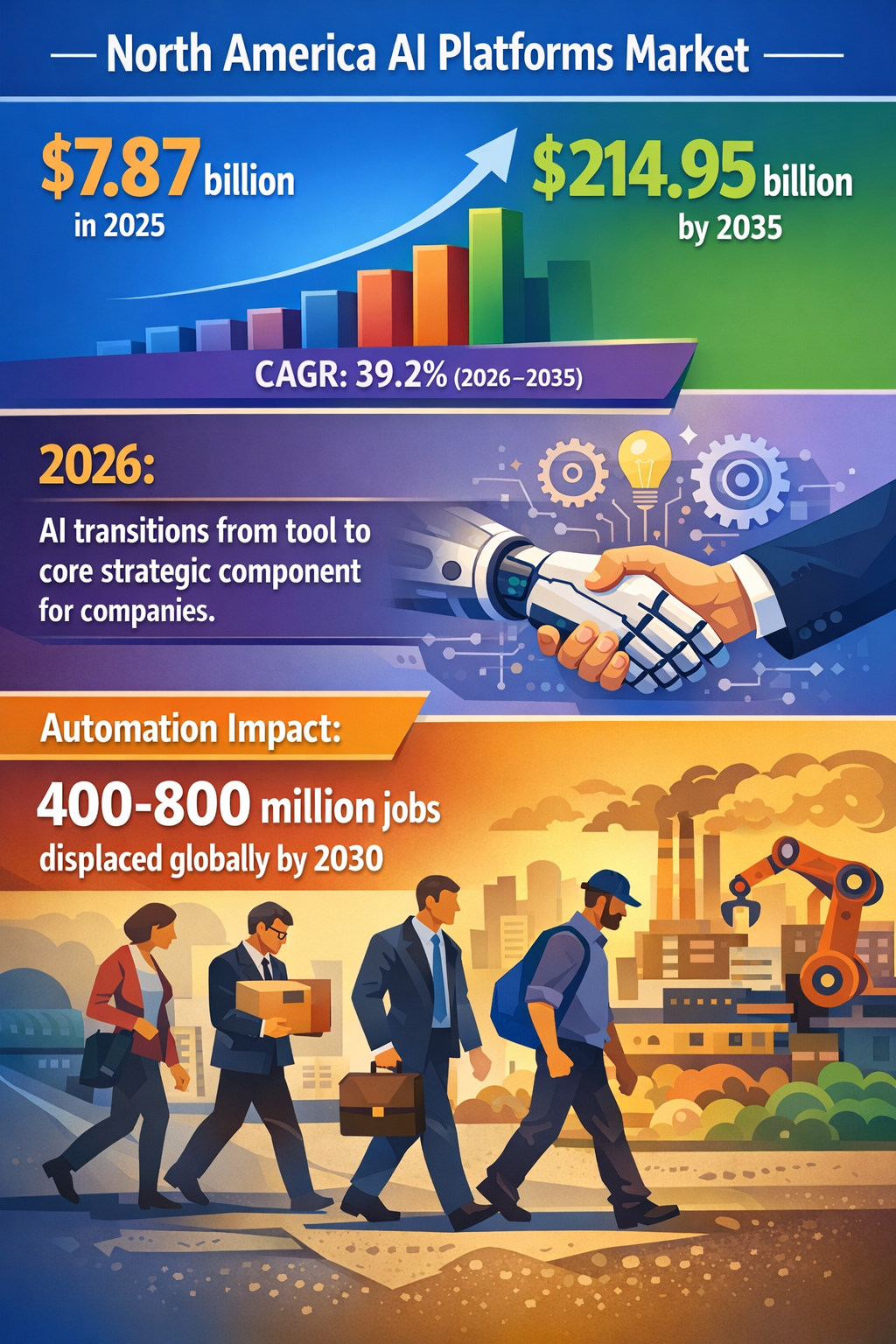
- Humanoid robots are advancing rapidly, with deployment in manufacturing, warehousing, and service sectors accelerating, potentially displacing millions of jobs by 2030 while creating new roles in maintenance, AI training, and robotics (Robozaps).
- AI is transforming project management by automating routine tasks, enabling predictive risk and resource management, and enhancing communication, with measurable ROI in cost savings and improved outcomes (Tommaso Maria Ricci).
- The AI and blockchain sectors are merging, with AI-focused cryptocurrencies gaining investor attention and fostering ecosystems with utility beyond speculation (TechBullion).
- Urban air mobility is on a strong growth trajectory, driven by AI-enabled autonomous operations promising significant market expansion by 2035 (Global Market Insights).
2. Known Unknowns
- Precise timelines and scale of job displacement due to humanoid robots remain uncertain, especially regarding regional differences and sectoral adoption rates.
- The full impact of emerging quantum computing on existing cybersecurity protections and how rapidly organizations can adopt quantum-resistant encryption is still evolving.
- The extent of AI integration in healthcare and other regulated sectors faces legal, ethical, and data quality challenges not yet fully resolved.
- Long-term effectiveness and scalability of AI governance, regulatory compliance, and ethical frameworks, particularly in diverse global jurisdictions, remain uncertain.
- Future AI project management capabilities depend heavily on organizational data quality, infrastructure readiness, and change management effectiveness.
- Investor appetite and actual utility adoption rates of AI-crypto projects beyond initial hype phases are not fully predictable.
- Potential bottlenecks and infrastructure constraints in data center expansion to support AI workloads, especially in power and cooling, are yet to be fully addressed.
3. Unknown Knowns
- Internal data and operational patterns within organizations might already hint at AI-readiness and risk factors in project delivery but remain underleveraged for predictive insights.
- Existing cybersecurity investments and frameworks may have undisclosed gaps against AI-powered attacks due to outdated detection methods.
- Firms may underestimate the strategic value of embedding AI and quantum technology foresight into capital allocation and long-term technology roadmaps.
- Organizations may overlook the competitive importance of developing ethical AI governance and transparency mechanisms as differentiators.
- Many project and portfolio managers might have latent expertise in human-AI collaboration but lack structured processes to harness it effectively.
4. Unknown Unknowns
- Rapid quantum breakthroughs could accelerate "Q-Day" unexpectedly, rendering current encryption obsolete sooner and causing disruption across finance, healthcare, and critical infrastructure.
- AI-driven cyberattack strategies may introduce novel, unforeseen attack vectors leveraging generative AI and deep fakes, complicating defense mechanisms.
- Disruptive regulatory changes or geopolitical shifts could alter the AI and robotics development trajectory, affecting global supply chains and innovation flows.
- Emergence of unanticipated AI-human interaction paradigms in project management may reshape organizational dynamics beyond current predictive models.
- New business models integrating AI and blockchain might evolve rapidly, generating novel ecosystem structures and investment vehicles outside conventional understanding.
- Supply chain or infrastructural constraints in data center scaling might lead to unforeseen bottlenecks or energy availability crises tied to AI growth.
5. Implications
- Short-term (1–2 years): Organizations face urgent need to adopt AI-enhanced tools for project management, cybersecurity, and operational efficiency to maintain competitiveness.
- Medium-term (3–5 years): Job markets will experience significant shifts due to humanoid robots and AI automation; talent reskilling and ethical AI governance will become strategic imperatives.
- Long-term (5–10 years): Quantum computing adoption will reshape cybersecurity and computing paradigms; those unprepared risk severe disruption to data security and competitive positioning.
- Regulatory landscapes will drive differential AI/robotics adoption rates globally, influencing regional competitiveness and innovation leadership.
- Integration of AI with blockchain and emerging digital assets will create new financial ecosystems requiring informed investment strategies.
- Energy and infrastructure requirements for AI and data center growth necessitate strategic planning to avoid capacity and sustainability bottlenecks.
6. Recommendations
- Known Knowns: Accelerate structured AI adoption in project management and cybersecurity; invest in AI governance and transparency frameworks.
- Known Unknowns: Conduct scenario planning for job displacement; engage legal and ethical experts for AI regulation compliance; audit data and tooling maturity for AI readiness.
- Unknown Knowns: Leverage internal operational data for predictive analytics; review cybersecurity posture against AI-driven threats; identify latent human-AI collaboration best practices.
- Unknown Unknowns: Establish horizon scanning and quantum-resilience initiatives; develop adaptive response frameworks for emerging cyber threats; monitor infrastructure and energy supply risks closely.
- Strategically partner with leading AI, quantum computing, and data infrastructure providers to stay ahead of technology curves and regulatory changes.
- Invest in workforce retraining programs focusing on complementary human skills not replicable by AI or robots, emphasizing creativity, judgment, and empathy.
- Prepare comprehensive communication and change management strategies to foster AI acceptance and optimize human-AI collaboration.
Briefing Created: 24/06/2026