
What is the emerging technology?
This briefing focuses on emerging developments in flexible electronics, photonics, and quantum computing — technologies that are shaping the future of data processing, sensing, and encryption.
Key functions and innovations:
- Flexible electronics: Ultra-small, flexible sensors and devices such as biofuel cells and solar films enabling less invasive integration with biological and environmental systems.
- Photonics: Use of light-based technologies for sensing, communication, and computation.
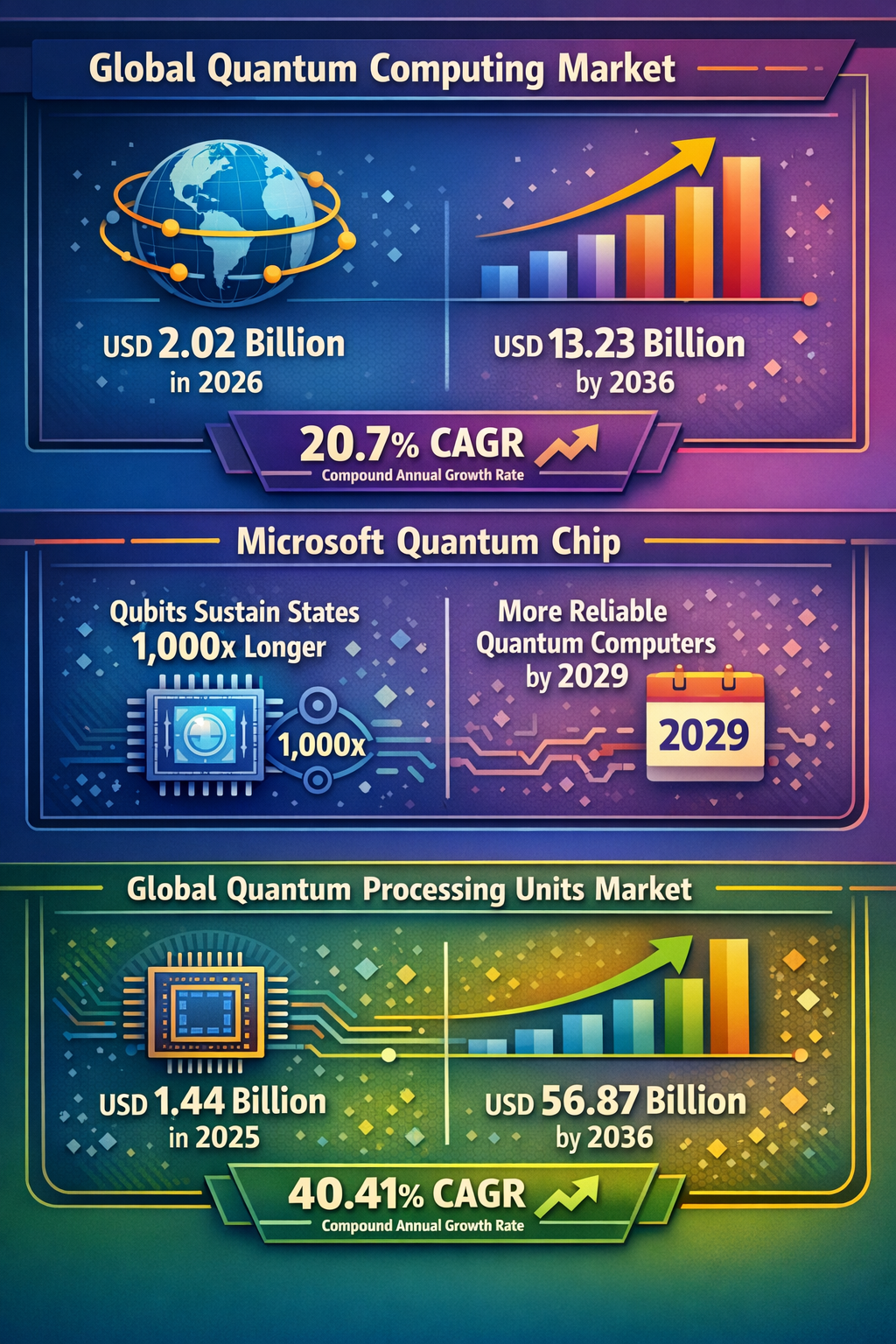
- Quantum computing: Leveraging quantum mechanics principles to perform complex computations exponentially faster than classical computers. Emerging quantum computers aim to achieve fault tolerance, error reduction, and unprecedented processing power.
Maturity level:
- Flexible electronics are advancing rapidly, currently at mid to high Technology Readiness Levels with prototype integration in autonomous systems demonstrated.
- Quantum computing is nearing a critical milestone with fault-tolerant systems targeted by 2030. Recent projects (e.g., IBM’s Quantum Blue Jay) plan large-scale quantum operations on thousands of qubits.
- Photonics integration advances alongside flexible electronics for enhanced sensor fusion and system capabilities.
Leading developers and countries:
- The US leads quantum research and commercialisation with IBM and government initiatives such as Quantum USA 2026.
- Europe and Asia invest heavily in flexible electronics and photonics innovation.
- Key private sector contributors include IBM, Ethereum ecosystem stakeholders, and emerging quantum startups globally.
Sectors likely to benefit most:
- Healthcare: Miniaturised sensors and bio-integrated flexible devices for diagnostics and therapeutic monitoring.
- Energy: Efficient biofuel cells and solar films enabling sustainable energy harvesting.
- Defence and cybersecurity: Quantum computing’s ability to break existing encryption underscores urgent needs for post-quantum cryptography.
- Finance, chemicals, logistics, and travel: Quantum-enabled optimisation and simulation to unlock new economic value.
Benefits:
- Economic: Quantum computing alone could create up to $2.7 trillion in global economic value by 2035.
- Societal: Improved healthcare outcomes and smarter infrastructure.
- Environmental: Reduced invasiveness of sensing technologies and more efficient energy solutions.
- Strategic: Maintaining national competitiveness through leadership in these technologies.
Known or anticipated risks:
- Quantum computers threaten current cryptographic standards, risking data security and privacy.
- Flexible electronic devices raise concerns over data protection and device safety in biomedical contexts.
- The timeline for fully fault-tolerant quantum systems remains uncertain, with expert estimates ranging widely (17-34% probability of cryptographically relevant quantum computers by 2034).
Regulatory, safety, and ethical concerns:
- Urgent need for developing and standardising post-quantum cryptographic protocols (with NIST targeting standards by 2035).
- Ethical use of bio-integrated electronics and transparent data governance is essential.
- Safety standards for novel materials and system integration require ongoing review.
Proactive policymaking can ensure the UK maximises the economic and societal benefits of these frontier technologies while mitigating attendant risks.
Sources: KPMG European Regulatory Radar 2026, Mirage News on Flexible Electronics, Straits Times on Quantum Computing and Encryption, BMIC AI Coin June 2026, Post-Quantum Computing Risk Estimations, IBM Quantum Roadmap, Quantum USA 2026 Summit, McKinsey Quantum Economic Value Report, CryptoNews on Quantum Risks to Cryptocurrency