Our Scans
·
Treatment of Moral Injury
·
Intelligence Briefing
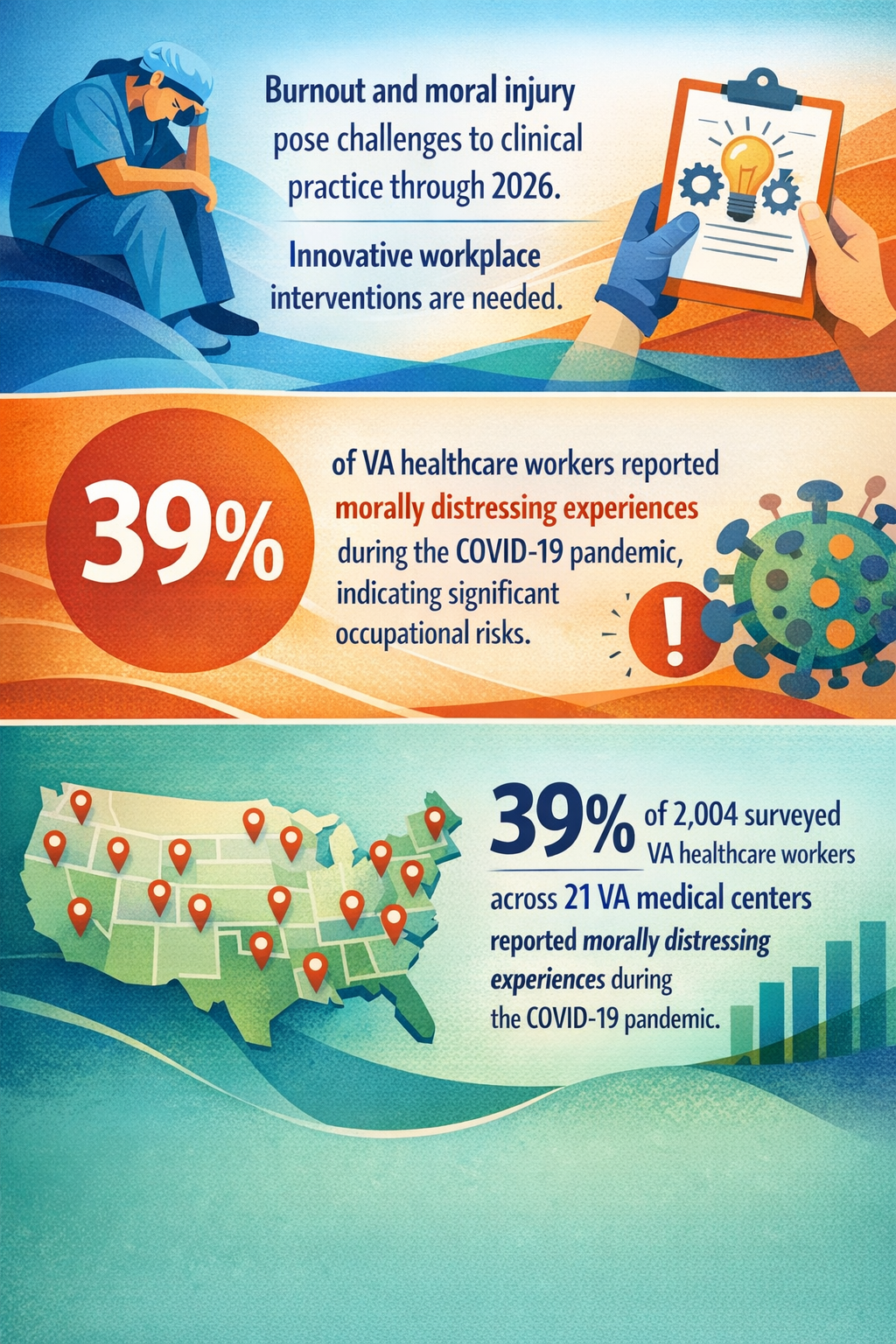
Intelligence Briefing about Treatment of Moral Injury
Critical Trends Impacting Atradius
- Increasing recognition of moral injury as a distinct psychological and ethical challenge, beyond traditional PTSD frameworks.
- Growing demand for tailored mental health interventions that address moral and ethical conflicts experienced by individuals.
- Rising awareness of the long-term organizational impacts, including decreased workforce resilience and retention challenges.
- Technological advancements enabling innovative therapeutic modalities but also creating ethical dilemmas in care delivery.
Key Challenges, Opportunities, and Risks
- Challenges: Identifying and measuring moral injury reliably within diverse employee populations; integrating treatment within existing mental health frameworks.
- Opportunities: Positioning Atradius as a leader in moral injury treatment solutions; leveraging technology to provide scalable support services.
- Risks: Potential stigma hindering employee willingness to seek help; ethical concerns around data privacy and consent in digital therapies.
Scenario Development
- Best-Case: Rapid advances in evidence-based moral injury treatments lead to widespread adoption; Atradius develops comprehensive programs enhancing workforce wellbeing and reputation.
- Optimistic: Incremental improvements in awareness and treatment integration occur; moderate uptake of new interventions with positive employee outcomes.
- Challenging: Persistent stigma and inconsistent recognition slow integration of moral injury treatment; technological approaches face regulatory hurdles.
- Worst-Case: Moral injury issues remain poorly addressed leading to increased burnout and attrition; reputational risks arise due to ethical breaches in treatment applications.
Strategic Questions
- How can Atradius effectively identify and support employees experiencing moral injury before it impacts organizational performance?
- What partnerships or technologies could be leveraged to create scalable, ethical, and effective moral injury interventions?
- In what ways might evolving societal attitudes toward moral injury influence Atradius’ policies and reputation?
- How should Atradius balance innovation in treatment delivery with ethical and privacy considerations?
- What metrics could be developed to assess the long-term impact of moral injury treatment programs on workforce resilience?
Actionable Insights for Strategic Decision-Making
- Atradius could pilot targeted screening tools to identify signs of moral injury early within key workforce segments.
- Investing in multi-disciplinary collaborations might enable access to cutting-edge interventions and shared ethical standards.
- Developing clear communication strategies could reduce stigma and encourage employee engagement with moral injury treatments.
- Periodic reviews of data privacy protocols could safeguard employee trust as digital interventions are utilized.
- Scenario planning exercises could help Atradius anticipate regulatory and reputational risks associated with emerging treatment technologies.
Briefing Created: 12/06/2026