Our Scans
·
Horticulture
·
Intelligence Briefing
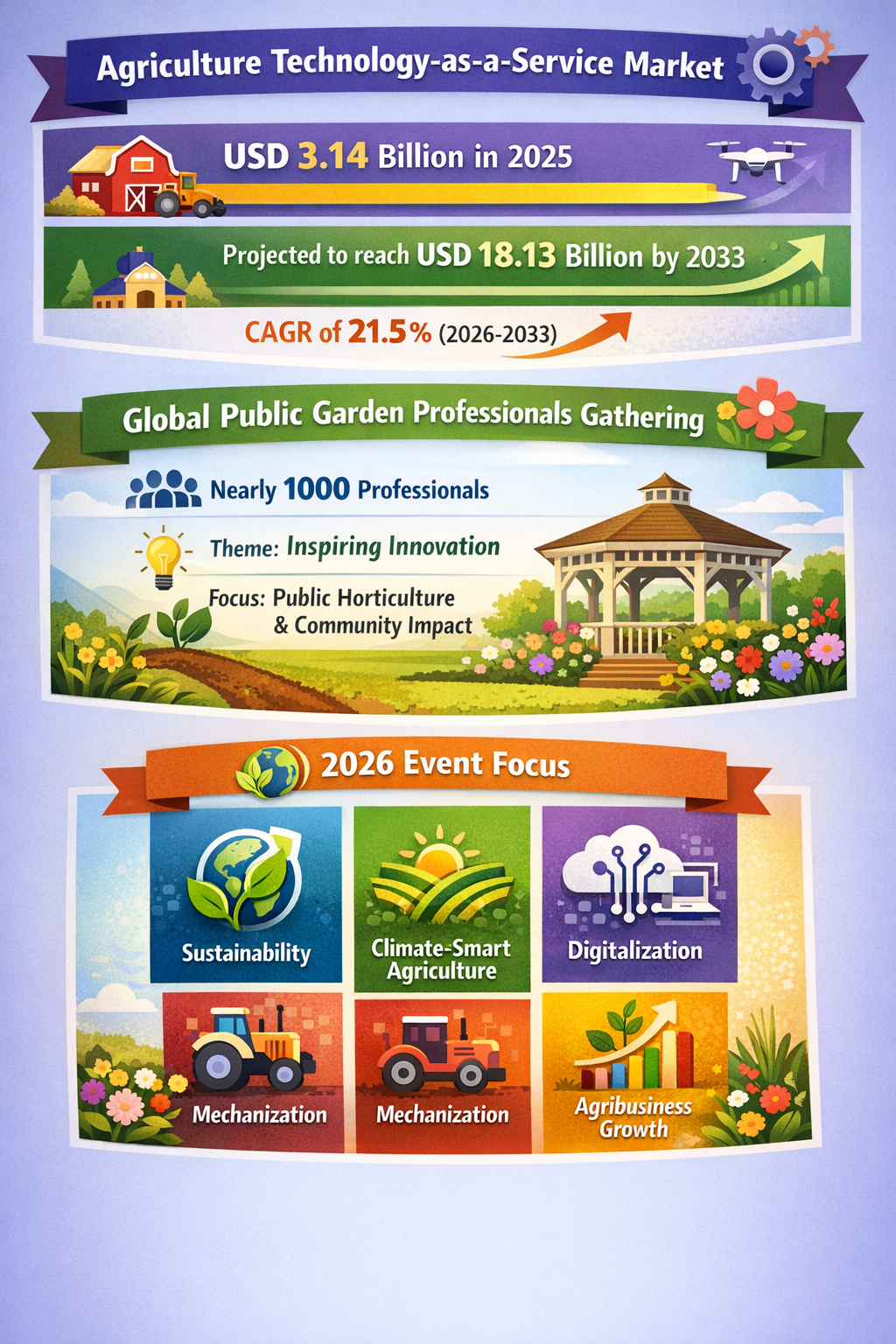
Intelligence Briefing about Horticulture
Emerging Trends Impacting N-XEN Analytics
- Sustainability and Climate-Smart Agriculture: Events and industry emphasis are increasingly targeting sustainable practices and climate resilience in agriculture, including mechanization and digitalization (Agrocentric).
- Regional Climate Risks: Asia faces severe heat and drought stresses affecting agriculture, water, and power systems, spotlighting the need for adaptive technologies (The Guardian).
- Innovation in Public Horticulture: Gathering of global experts focusing on advancing public horticulture and community impact signals collaboration and knowledge sharing for innovation (Public Gardens Association).
- Climate-Tech Startups & AI Integration: Emerging models like Beehive and Sensegrass demonstrate scalable climate-risk mitigation solutions relevant to markets like Brazil (Metodo Viral).
- Regulatory Advantage for Biostimulants in Europe: Europe's regulatory environment supports a 38% market share in biostimulants, underscoring opportunities for sustainable input adoption (Dimension Market Research).
- Precision Agriculture and Emissions Reduction: Adoption of precision agriculture technologies could reduce greenhouse gas emissions by nearly 20% by 2050, aligning with sustainability objectives (Mean CEO Blog).
- Climate-Driven Crop Failures: US winter wheat abandonment predicted at 32%, signaling increasing volatility and risk due to worsening drought conditions (WSJM, ABC News).
- Localized Food Sovereignty Initiatives: Shifting toward localized food systems with enhanced access for Indigenous and minority farmers could reduce emissions and improve equity (NOFA Mass).
Key Challenges, Opportunities, and Risks
- Challenges: Climate-induced stresses (drought, heat) threaten yield stability; regulatory complexities outside Europe may slow sustainable input adoption; technology integration and data infrastructure gaps limit precision ag scalability.
- Opportunities: Expansion of climate-smart agtech and AI-driven solutions; leadership in biostimulants market leveraging favorable regulations; collaboration through public horticulture networks to spur innovation; supporting localized food sovereignty models to enhance resilience and reduce emissions.
- Risks: Crop failures impacting supply chains and profitability; regional disparities in climate impact may create uneven market opportunities; technology adoption rates may lag due to cost and knowledge barriers.
Scenario Development
- Best-Case: Widespread adoption of precision agriculture and biostimulants driven by supportive policies; robust climate risk mitigation tech deployed globally; equitable access to farmland increases localized food sovereignty; resulting in reduced emissions and resilient production systems.
- Moderate Growth: Gradual tech uptake with uneven regional adoption; some regulatory hurdles persist; climate impacts moderate but cause localized disruptions; steady growth in sustainable inputs and innovation forums expand collaboration.
- Challenging Environment: Continued drought and heat severely disrupt key crops (e.g., winter wheat); limited tech scalability due to cost and infrastructure gaps; regulatory fragmentation slows sustainable input market; food sovereignty initiatives progress slowly.
- Worst-Case: Severe climate crises cause widespread crop failures and supply chain disruptions; failure to innovate or adopt technology broadly; regulatory resistance limits sustainable input expansion; marginalized communities face increasing inequities and food insecurity.
Strategic Questions
- How can N-XEN Analytics leverage emerging AI and precision agriculture technologies to offer differentiated, climate-resilient solutions?
- What strategic partnerships could amplify influence in sustainability-focused regulatory environments, especially in Europe and emerging markets?
- In what ways can N-XEN support or integrate localized food sovereignty initiatives to expand market reach and social impact?
- How can the organization anticipate and mitigate risks associated with climate-driven agricultural disruptions across diverse regions?
Actionable Insights for Strategic Decision-Making
- N-XEN Analytics could prioritize development of climate-risk monitoring tools tailored to heat and drought-prone regions like Asia and parts of the Americas.
- The organization could explore collaborations with climate-tech startups to incorporate promising AI-driven innovations into its analytics portfolio.
- Engaging with regulatory bodies and sustainability-focused forums could position N-XEN favorably to influence standards and accelerate biostimulant adoption.
- N-XEN could consider pilot programs supporting localized food sovereignty to diversify risk and demonstrate social responsibility.
- Building flexible, scenario-based planning frameworks could enhance responsiveness to volatile climate and market conditions.
Briefing Created: 19/06/2026