Our Scans
·
Misinformation and disinformation
·
Intelligence Briefing
Intelligence Briefing about Misinformation and Disinformation
Critical Trends Impacting the Ministry of Health NSW
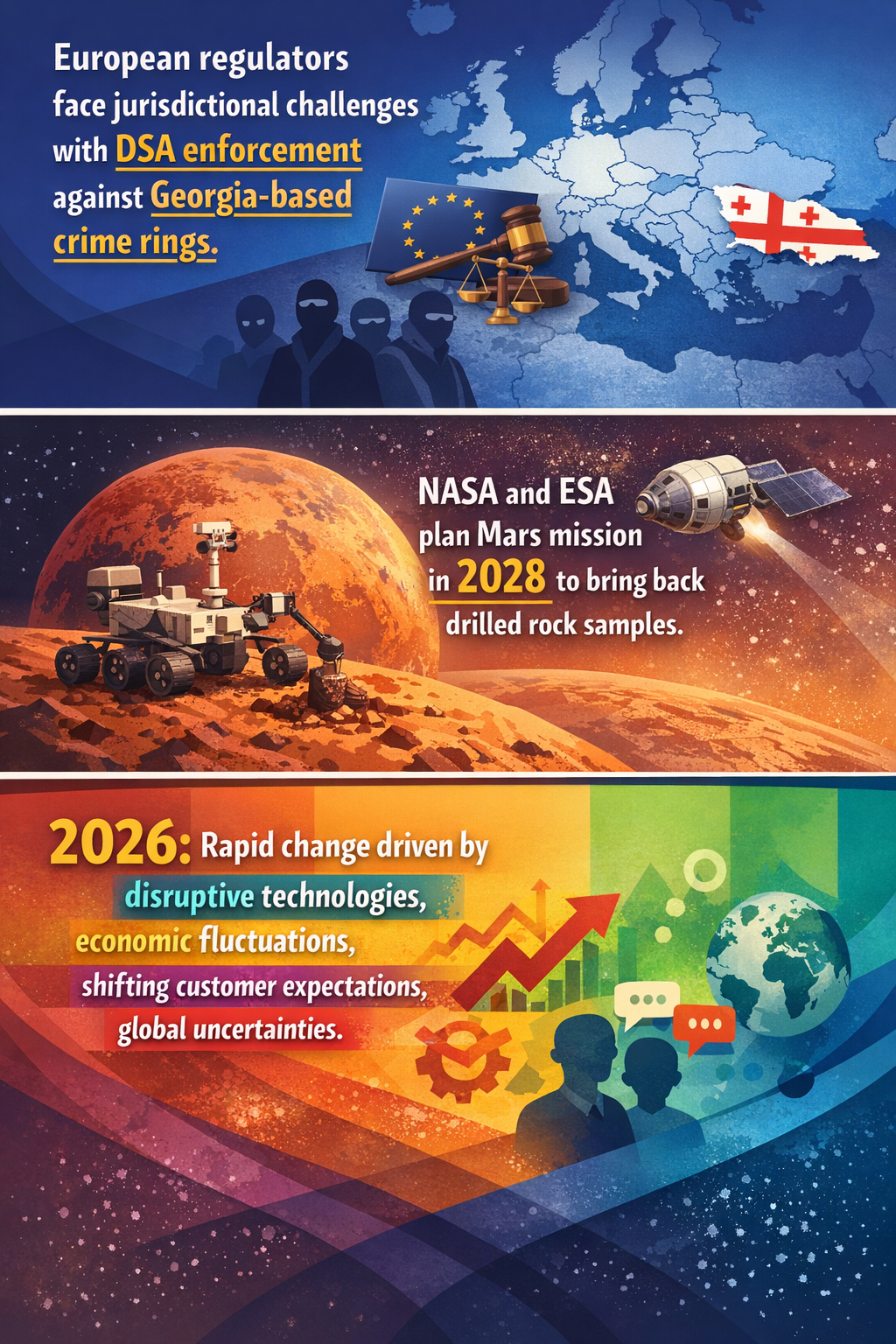
- Rapid Technological Disruption: The relentless pace of change driven by AI, digital platforms, and disruptive technologies accelerates information dissemination, complicating the identification and control of misinformation (COPEX Training).
- Global Regulatory Challenges: Jurisdictional limitations hinder enforcement against misinformation networks operating beyond regulatory reach, e.g., overseas crime rings leveraging digital platforms (SCL).
- Increased Private Sector Influence: Growing private sector dominance in emerging spaces leads to varied agendas and complex stakeholder ecosystems for information accuracy and public trust (Debate US).
- Funding Shifts in Health Innovation: Renewed governmental funding for biotech and clinical development could enhance capacity for better health communications and counter-misinformation technologies (BioPharm International).
Key Challenges, Opportunities, and Risks
- Challenges: Tackling misinformation across fragmented digital platforms complicated by jurisdictional gaps and rapid AI-driven content creation.
- Opportunities: Leveraging advances in AI and increased funding to develop sophisticated detection, verification, and public education tools targeting misinformation.
- Risks: Potential erosion of public trust in health information, exacerbated by global misinformation campaigns and limited cross-border regulatory controls.
Scenario Development: Four Plausible Futures
- Best-Case: Strong international collaboration and regulatory frameworks effectively curb misinformation; AI-driven detection tools widely deployed; increased funding accelerates health communication innovation.
- Moderate Success: Partial cooperation across jurisdictions with pockets of enforcement; technology improves detection but cannot fully contain misinformation; funding enables pilot programs with moderate impact.
- Challenging Status Quo: Jurisdictional gaps widen; misinformation networks exploit regulatory loopholes; technological tools lag behind misinformation sophistication; funding remains fragmented and insufficient.
- Worst-Case: Misinformation proliferates unchecked due to poor regulation and geopolitical conflicts; AI used to amplify disinformation; loss of public trust severely impacts health outcomes and policy effectiveness.
Strategic Questions for Senior Policy Advisors
- How can the Ministry leverage emerging AI technologies to enhance misinformation detection and public health communication?
- What frameworks or partnerships could overcome jurisdictional barriers to combat cross-border misinformation effectively?
- In what ways might increased biotech funding be aligned with efforts to counter misinformation and promote accurate health messaging?
- How can public trust be rebuilt in an environment increasingly dominated by private sector influence and digital information overload?
Actionable Insights / Strategic Considerations
- The Ministry could explore partnerships with AI-focused biotech companies benefiting from new funding to co-develop misinformation countermeasures.
- Establishing alliances with international regulatory bodies may help navigate jurisdictional enforcement limitations related to misinformation.
- Investing in public education campaigns that emphasize critical digital literacy could mitigate the impact of misinformation.
- Monitoring technological advancements closely may enable proactive adaptation to new forms of disinformation strategies.
Briefing Created: 14/09/2026