Our Scans
·
Adaptability Health Attributes
·
Intelligence Briefing
Intelligence Briefing about Adaptability Health Attributes
Summary of Critical Trends
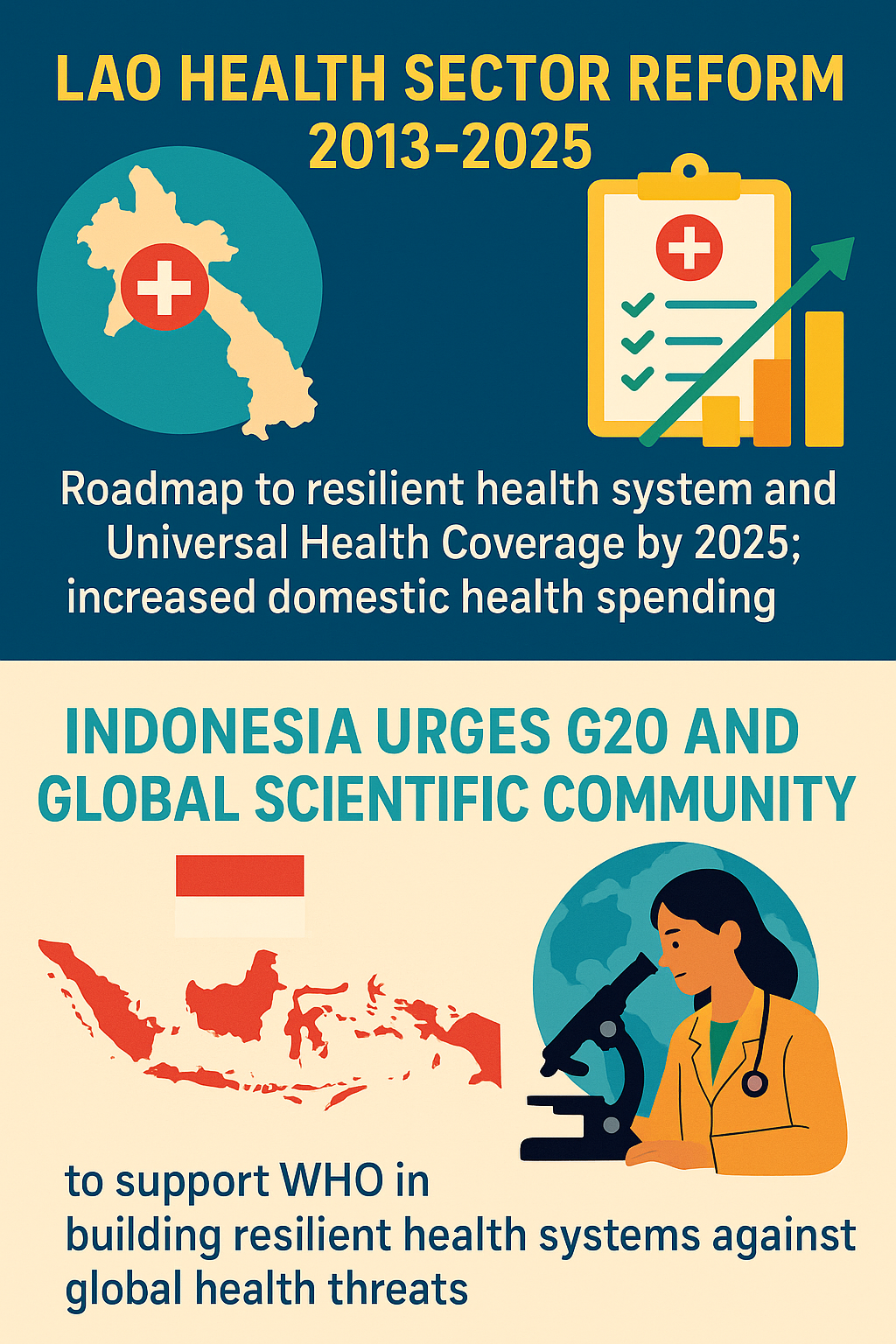
- Strengthening global cooperation and enhancing regional preparedness for future pandemics is increasingly prioritized (APEC).
- Development of climate-resilient health systems is imperative due to the escalating health risks of climate change (WHO).
- Investment and technical assistance are vital to building resilient health workforces globally to respond to emerging health threats (THE).
- Reshaping global health architecture is critical for creating robust systems that provide universal access to health services (Globalization and Health).
- Utilizing connectivity and data can potentially transform operational efficiency and resilience in healthcare systems (Radiology Today).
Key Challenges, Opportunities, and Risks
- Challenges: Adapting health systems to rapidly evolving climatic and global health threats requires substantial investment and policy shifts. Ensuring equitable access to advanced healthcare resources remains complex.
- Opportunities: There is a significant opportunity to integrate technology and data analytics for improved healthcare decision-making and system resilience (Radiology Today).
- Risks: Delays in international collaboration and investment may exacerbate vulnerabilities in health systems and widen health disparities globally.
Scenario Development
- Best-Case Scenario: Global cooperation and investment lead to highly resilient, technology-integrated health systems capable of efficiently managing future pandemics and climate-related health challenges.
- Moderately Optimistic Scenario: Progress in some regions through regional agreements and selective investments improves resilience, though gaps remain in less developed areas.
- Moderately Pessimistic Scenario: Resource and collaboration challenges slow the pace of adaptation in critical health sectors, with sporadic achievements.
- Worst-Case Scenario: Fragmented efforts and insufficient investment result in widespread systemic failures in health systems during future crises.
Strategic Questions
- How can NSW Health leverage international cooperation to enhance regional health system resilience?
- What strategies can be implemented to effectively integrate climate resilience into our health system?
- In what ways can technology and data be further utilized to strengthen system resilience and access to healthcare services?
- What policy frameworks are necessary to ensure consistent investment in health system adaptability?
Potential Actionable Insights
- NSW Health could explore partnerships with global organizations for shared resources and best practices in health system resilience.
- Investing in technology and data analytics infrastructure could enhance the adaptiveness of healthcare systems to future threats.
- Developing comprehensive policies for climate adaptation in health could ensure sustained improvements in health outcomes.
- An emphasis on training and resource allocation could further support resilient workforce development in the healthcare sector.
Briefing Created: 26/05/2025