Our Scans
·
Health workforce
·
Intelligence Briefing
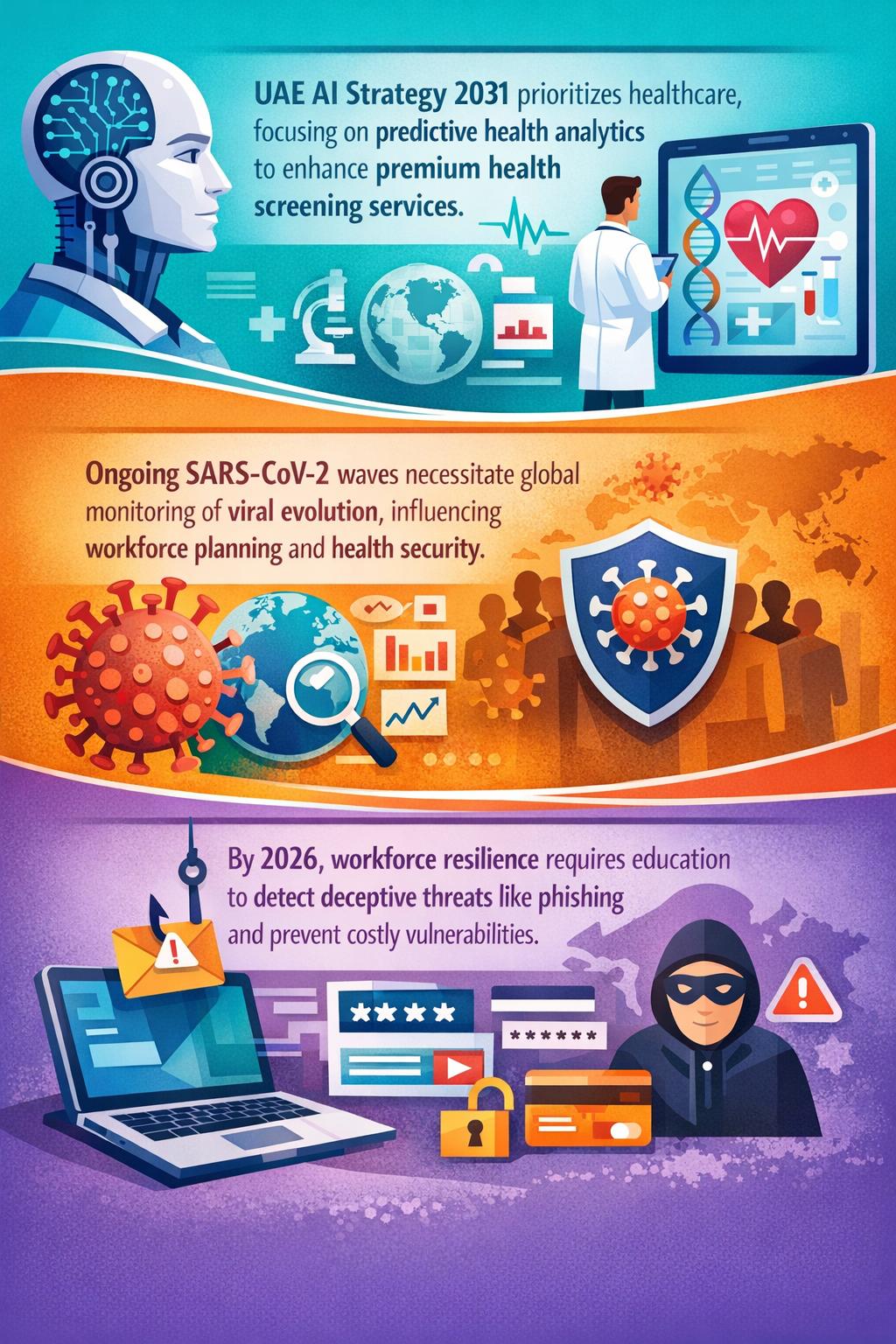
Intelligence Briefing about Health Workforce
Critical Trends Impacting Ministry of Health NSW
- Demographic shifts are driving an ageing population, with a growing proportion of older adults requiring complex, chronic care services (AI Healthcare 360).
- Technological advancements, including robotic health assessments, are emerging as promising solutions to alleviate workforce pressure and enhance primary care capacity (The National Robotarium).
- Cybersecurity threats and workforce resilience are increasingly critical, necessitating an educated workforce proficient at recognizing and responding to digital risks (Invenio IT).
Key Challenges, Opportunities, and Risks
- Challenges: Workforce shortages fueled by demographic change; need for upskilling to manage digital and robotic health tools; vulnerability to cyber threats affecting continuity of care.
- Opportunities: Deployment of AI and robotics to extend workforce capacity; investment in cybersecurity training to build a resilient health workforce; designing care models tailored for an older population.
- Risks: Insufficient adoption of technology leading to increased care demand pressures; potential workforce burnout without adequate support; cyber incidents causing operational disruptions and data breaches.
Scenario Development
- Best-Case Scenario: Successful integration of robotics and AI improves primary care efficiency; workforce is highly skilled in digital resilience; ageing population receives timely, person-centered care with reduced system strain.
- Moderate Optimism Scenario: Partial technological adoption eases workforce burden modestly; cybersecurity training improves but incidents still occur; ageing population faces some access delays but overall care quality is maintained.
- Challenging Scenario: Limited technology uptake; workforce skill gaps persist in digital and cyber capabilities; frequent cyber threats disrupt services; ageing population experiences increased care wait times and poorer outcomes.
- Worst-Case Scenario: Technology fails to scale; workforce shortages worsen due to burnout; major cyberattack compromises critical systems; care quality deteriorates significantly, exacerbating health inequalities among older adults.
Strategic Questions
- How can the Ministry accelerate the adoption of emerging technologies to sustainably expand workforce capacity while ensuring equity in access?
- What strategies could enhance the digital and cybersecurity literacy of the health workforce to mitigate operational risks?
- In what ways might demographic trends reshape workforce planning, and how could policies adapt to anticipate shifting care demands?
- How could cross-sector partnerships strengthen resilience and innovation within the health workforce ecosystem?
Actionable Insights for Strategic Decision-Making
- Investing in targeted training programs could enhance workforce capabilities in digital health and cybersecurity, reducing vulnerability to emerging threats.
- Piloting robotic and AI-assisted models in primary care settings could provide scalable options to meet the needs of an ageing population.
- Scenario planning should be regularly updated to incorporate evolving technology trends and demographic data, supporting agile policy response.
- Collaboration with technology and cybersecurity experts could strengthen preparedness and innovation in workforce development strategies.
Briefing Created: 14/09/2026