Our Scans
·
hopelessness and productivity
·
Intelligence Briefing
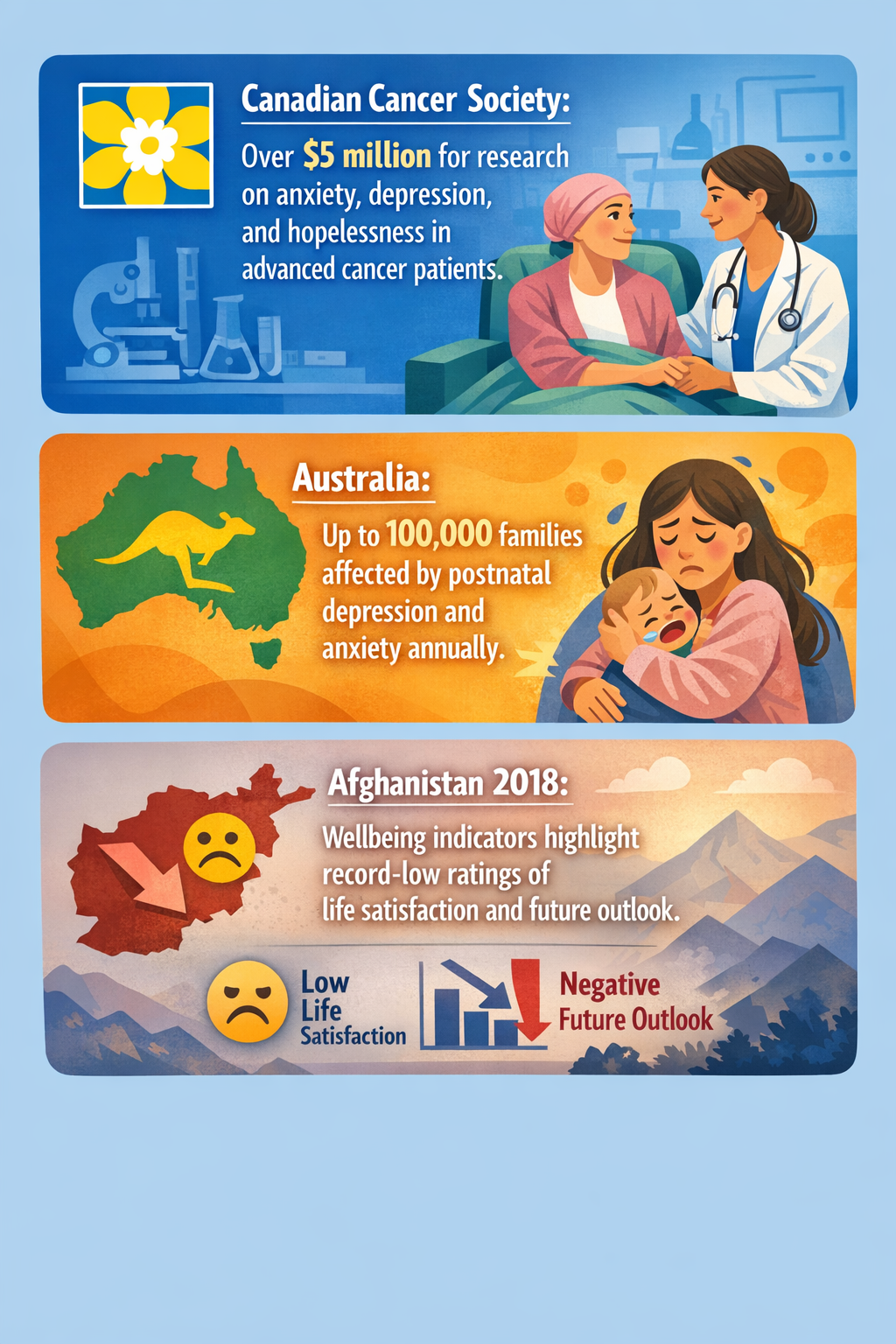
Intelligence Briefing about hopelessness and productivity
Critical Trends Impacting Ministry of Health NSW
- Growing Sense of Hopelessness: Increasing economic volatility, social disruption, and geopolitical instability are contributing to widespread feelings of hopelessness that negatively affect workforce morale and productivity (Jennifer Moss).
- Mental Health Strain: Prolonged anxiety, stress, and other mental health challenges linked to hopelessness are driving increased demand for healthcare resources (KPVI News).
- Unpredictable Social Responses: Economic hardship and material deprivation trigger unpredictable community behaviors and exacerbate public health risks (Dawn).
- Low Hope and Life Satisfaction Correlation: Evidence from global contexts shows that hopelessness is strongly linked to decreased life satisfaction and poor health outcomes (PMC National Library of Medicine).
Key Challenges, Opportunities & Risks
- Challenges: Addressing endemic hopelessness that undercuts workforce productivity and strains mental health services.
- Opportunities: Integrating hope-building and resilience strategies in public health programs to enhance wellbeing and productivity.
- Risks: Ignoring these trends could result in worsening mental health crises, increased healthcare demand, and social instability impacting health systems.
Scenario Development
- Best-Case Scenario: Proactive investments in mental health and social resilience lead to improved hope levels, stabilizing workforce productivity and reducing healthcare system pressures.
- Moderate Scenario: Mental health interventions partially succeed, but economic volatility and social disruption cause periodic spikes in hopelessness, resulting in fluctuating healthcare demands.
- Challenging Scenario: Sustained economic and social instability intensify hopelessness, causing widespread decreases in productivity and overwhelming mental health services.
- Worst-Case Scenario: Unchecked hopelessness triggers a mental health pandemic with unpredictable social behaviors and critical breakdowns in workforce capacity and healthcare delivery (Dawn, KPVI News).
Strategic Questions for Senior Policy Advisors
- How might Ministry programs effectively incorporate hope-building frameworks to buffer mental health impacts?
- What indicators could be developed to proactively monitor hopelessness as a health risk factor?
- How can interagency collaboration be optimized to address the socio-economic drivers of hopelessness?
- What contingency plans could be crafted to manage unpredictable social behaviors arising from economic distress?
Potential Actionable Insights
- Ministry initiatives could embed psychological resilience training into workforce health programs to mitigate feelings of hopelessness.
- Data analytics could be leveraged to identify early signs of declining hope and mental wellbeing within communities.
- Partnerships with social services and economic agencies could be strengthened to address root causes of despair impacting public health.
- Communication campaigns could be designed to foster community optimism and promote accessible mental health resources.
Briefing Created: 30/08/2026