Our Scans
·
Security and Conflict
·
Intelligence Briefing
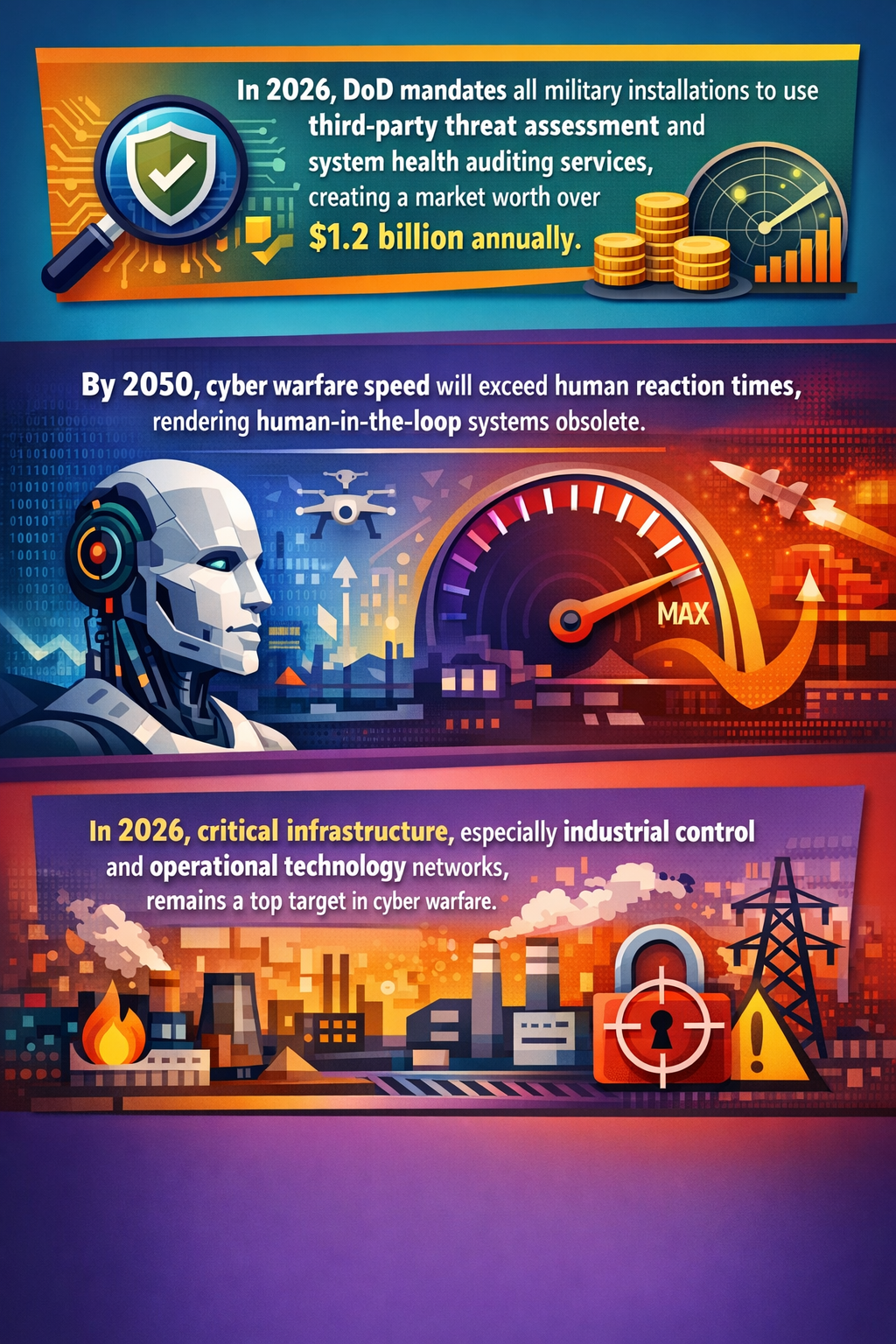
Intelligence Briefing about Security and Conflict
Critical Emerging Trends
- Integration of AI and Genetic Data: Significant investments by state actors, notably Beijing, into large-scale collection of health and genetic data to enhance weapons design and battlefield capabilities.
- Technological Convergence in Warfare: The fusion of biotechnology, artificial intelligence, and advanced data analytics is driving a new frontier for conflict innovation.
Key Challenges, Opportunities, and Risks
- Challenges: Countering sophisticated bio-cyber threats and safeguarding sensitive data from exploitation in military contexts.
- Opportunities: Leveraging AI-driven insights from biological and health data to develop advanced defensive measures and predictive threat models.
- Risks: Escalation of biologically enhanced warfare capabilities that may lead to destabilization and proliferation of novel weapons forms.
Scenario Development
- Best-Case: International frameworks effectively regulate genetic data use, enabling responsible AI integration enhancing defence without escalation.
- Optimistic: Technological advancements lead to robust defence countermeasures, but competition for data remains high with manageable tensions.
- Pessimistic: Widespread genetic data breaches and AI weaponization drive regional arms races and frequent low-level biological conflict incidents.
- Worst-Case: Unchecked use of AI-enhanced biological weapons causes global instability, eroding current security architectures and triggering widespread conflict.
Strategic Questions
- How can policy anticipate and regulate the integration of genetic data and AI in weapons development to mitigate escalation risks?
- What mechanisms could enhance resilience against bio-cyber attacks exploiting health and genetic information?
- How might international collaboration or competition shape the balance of power amid emerging biotechnological warfare capabilities?
- What investments in technology and intelligence collection are needed to maintain strategic advantage?
Actionable Insights
- Develop cross-disciplinary intelligence fusion capabilities that integrate biological and AI datasets to better predict emerging threats.
- Engage actively in shaping international norms and agreements surrounding the ethical use of genetic data in military applications.
- Prioritize resilient cyber-biological defense systems that could detect and counter novel threats early.
- Consider strategic partnerships and technology sharing to offset adversarial advances in genetic-based weaponry.
Source: (2026 ODNI Annual Threat Assessment)
Briefing Created: 04/06/2026