Our Scans
·
Robotic Police Technology
·
Intelligence Briefing
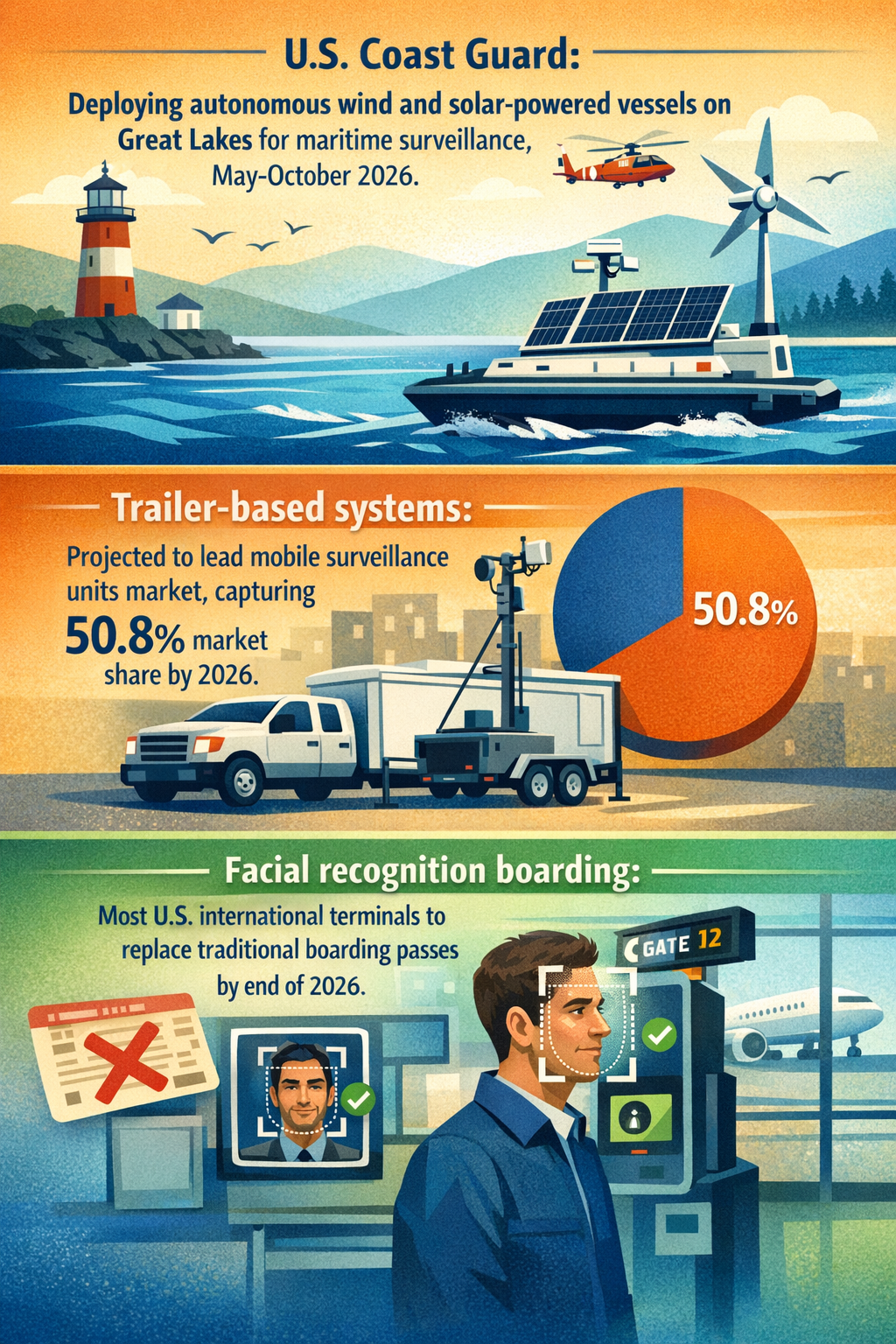
Intelligence Briefing about Robotic Police Technology
Key Emerging Trends
- Adoption of biometric and autonomous surveillance systems: Increasing deployment of facial recognition for identification and verification is transforming operational protocols globally (Idyllic Pursuit).
- Expansion of autonomous and robotic platforms: Use of autonomous surface vessels and drones for extended surveillance and data collection is becoming mainstream in security operations (Military Times), (Lawfare Media).
- Advanced sensor and detection technologies: Emerging tools such as quantum radar and rapid manufacturing enable more precise surveillance and rapid deployment of robotic systems (Quantum Security Defence), (CEPA).
- Privacy, ethical, and human rights concerns: Increased use of biometrics and commercial spyware carries significant risks of data breaches, misuse, and erosion of civil liberties without robust safeguards (Tech Insider), (Human Rights Watch), (Research Nester).
Key Challenges, Opportunities, and Risks
- Challenges: Balancing effective robotic surveillance with privacy and ethical considerations; mitigating risks of autonomous system vulnerabilities and cyberattacks; ensuring transparency and public trust in biometric technologies.
- Opportunities: Enhancing force multiplier capacity via autonomous patrols and real-time data acquisition; deploying resilient, energy-efficient robotic platforms for extended missions; leveraging quantum and advanced sensors for superior situational awareness.
- Risks: Data breaches and misuse of biometric information potentially leading to public backlash; increased threat from adversarial uses of robotics and surveillance tech; legal and reputational risks from human rights concerns around surveillance deployment.
Scenario Development
- Best-Case: Regulatory frameworks ensure responsible integration of robotic police technology with strong privacy protections; autonomous systems improve operational efficiency and public safety without undermining civil liberties.
- Optimistic Progress: Autonomous and biometric tools deployed widely, but minor privacy issues and technical challenges persist; public acceptance is moderate; AFP benefits from enhanced surveillance capabilities but faces ongoing scrutiny.
- Challenging Environment: Increased cyberattacks and misuse of robotic surveillance disrupt operations; privacy violations lead to public distrust and political backlash; legal uncertainties hinder deployment and innovation.
- Worst-Case: Unregulated proliferation of invasive surveillance tech results in widespread abuses; adversaries exploit robotics for hostile actions; AFP faces significant operational and reputational damage amid loss of public confidence.
Strategic Questions
- How can AFP balance the operational benefits of robotic police technologies with the imperative to protect privacy and human rights?
- What governance and accountability mechanisms could be established to manage ethical risks associated with autonomous surveillance?
- In what ways might emerging quantum and autonomous sensor technologies disrupt traditional policing paradigms and threat landscapes?
- How can AFP prepare for and mitigate adversarial use of robotic and surveillance technologies against national security interests?
- What partnerships or collaborations could accelerate AFP’s responsible adoption and oversight of robotic policing capabilities?
Potential Actionable Insights
- AFP could proactively engage in developing transparent policies and privacy safeguards aligned with international standards to build public trust in biometric and robotic deployments.
- Investing in resilience and cybersecurity capability for autonomous platforms could reduce vulnerabilities to emerging digital threats.
- Strategic partnerships with research institutions and allied agencies might accelerate AFP’s access to cutting-edge surveillance and quantum detection technologies.
- Ongoing monitoring of technological, legal, and ethical developments could enable AFP to anticipate regulatory changes and adapt policies accordingly.
Briefing Created: 25/06/2026