Our Scans
·
Security
·
Intelligence Briefing
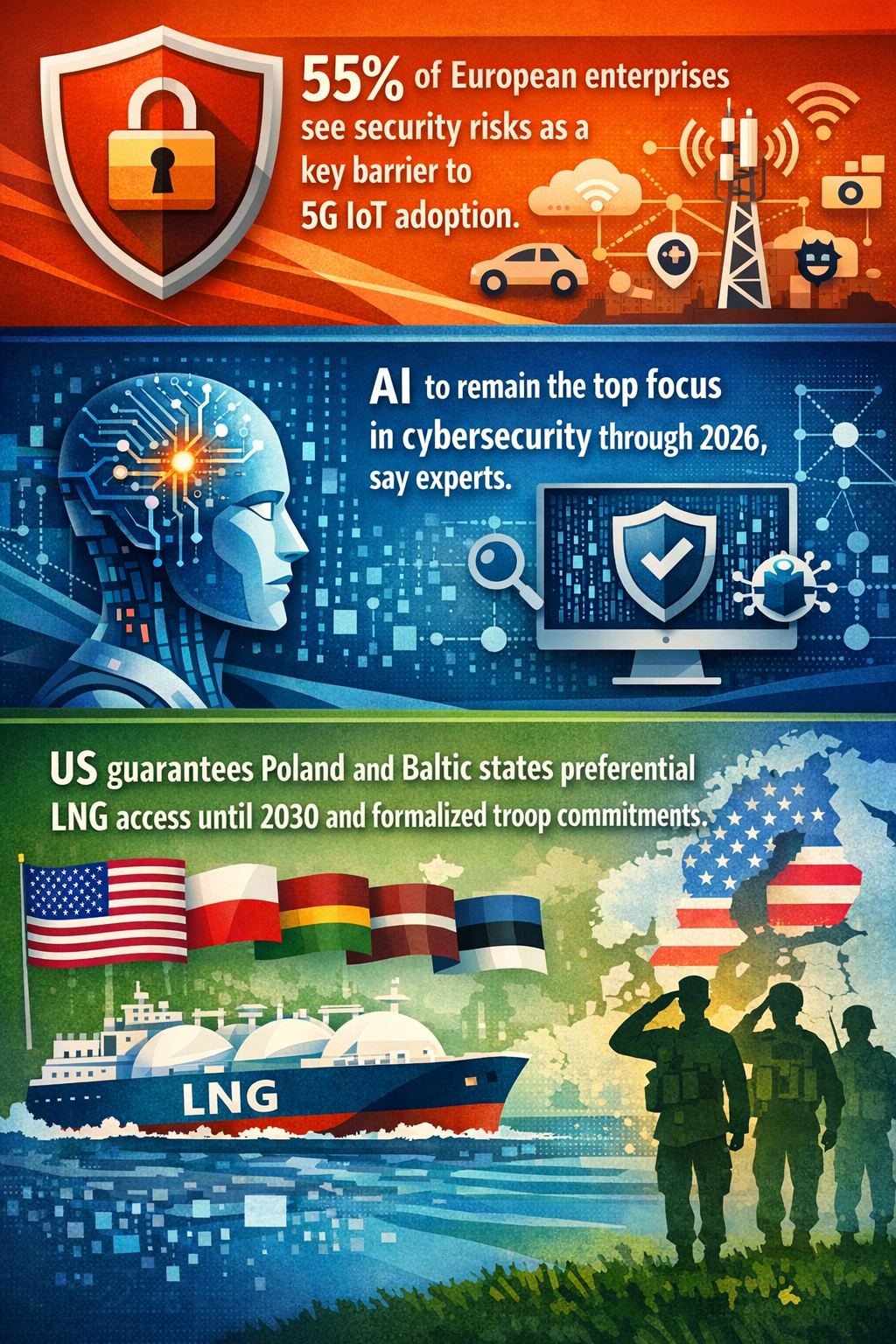
Intelligence Briefing about Security
Critical Emerging Trends
- Geopolitical Tensions and Military Posturing: Increased military movements in NATO's eastern flank and deepening Australia-Germany cooperation reflect escalating global security dynamics, particularly around Russian, Chinese, and Middle Eastern activities (Al Jazeera, Deutschland.de).
- Authoritarian Regime Adaptation and Hybrid Threats: Persistent strategic challenges posed by Russia and China with focus on regime survival introduce complex intelligence and operational threats (CEPA).
- Technological Evolution in Security: Expansion in AI-driven physical security, drone interception technologies, and biometric data utilization are reshaping threat detection and response capabilities (Dimension Market Research, FactMR).
- Energy and Maritime Security Risks: Heightened instability in critical chokepoints like the Strait of Hormuz threatens supply chains and global energy markets, impacting regional security dynamics (Shipping Intelligence Hub, Fossil Fuel Treaty).
- Regional Security Dialogues and Partnerships: Efforts aiming at peace initiatives and multilateral cooperation, such as dialogues involving Koreas, US, China, NATO expansion in Indo-Pacific, and energy security agreements, demonstrate evolving diplomatic landscape (AEI, NATO, ECFR).
Key Challenges, Opportunities, and Risks
- Challenges: Managing intelligence operations amid hybrid warfare and authoritarian maneuvering; countering advanced drone threats; safeguarding data privacy and security in biometric and AI surveillance systems.
- Opportunities: Leveraging emerging AI and access control technologies to enhance real-time threat identification and response; deepening international partnerships for intelligence sharing and coordinated security efforts; influencing regional stability via diplomatic engagement.
- Risks: Geopolitical volatility disrupting energy supplies impacting domestic security and economy; technology dependencies heightening vulnerability to cyber and hybrid attacks; misuse of biometric systems for authoritarian surveillance conflicting with democratic values.
Scenario Development
- Best-Case Scenario: Strengthened multilateral security partnerships and advanced AI-driven capabilities enable AFP to anticipate and neutralize emerging threats efficiently, while global energy markets stabilize through effective diplomacy.
- Moderate Scenario: Persistent geopolitical tensions drive moderate security incidents requiring increased AFP resource allocation; technological adoption progresses unevenly with some vulnerabilities exploited by adversarial actors.
- Challenging Scenario: Authoritarian powers intensify hybrid threats leveraging biometric and drone technologies; maritime disruptions escalate, causing energy shortages that strain national security and economic resilience.
- Worst-Case Scenario: Breakdown of diplomatic dialogues leads to open confrontation in key regions; widespread cyber-physical attacks via compromised IoT and biometric systems overwhelm AFP capacities; energy crises weaken strategic autonomy and public trust.
Strategic Questions
- How can the AFP balance the integration of advanced surveillance technologies with protection of civil liberties and democratic values?
- What frameworks could be developed to enhance intelligence sharing and operational coordination with key international partners amid evolving geopolitical threats?
- In what ways could emerging regional conflicts and energy supply disruptions impact Australia's domestic security environment and AFP priorities?
- How might AFP adapt its strategic posture to effectively counter hybrid and drone-enabled threats in an increasingly digitalized security landscape?
Actionable Insights and Considerations
- AFP could prioritize investment in AI-enabled threat detection and biometric verification systems while establishing robust ethical and legal oversight mechanisms.
- Engagement in international security dialogues and cooperation frameworks could be expanded to enhance situational awareness and build resilience against transnational threats.
- Developing flexible contingency plans for energy-related disruptions may enhance operational continuity and national security preparedness.
- AFP could explore strategic partnerships with tech innovators to stay ahead of evolving drone and hybrid warfare capabilities.
Briefing Created: 19/06/2026