Our Scans
·
Administration of Justice
·
Intelligence Briefing
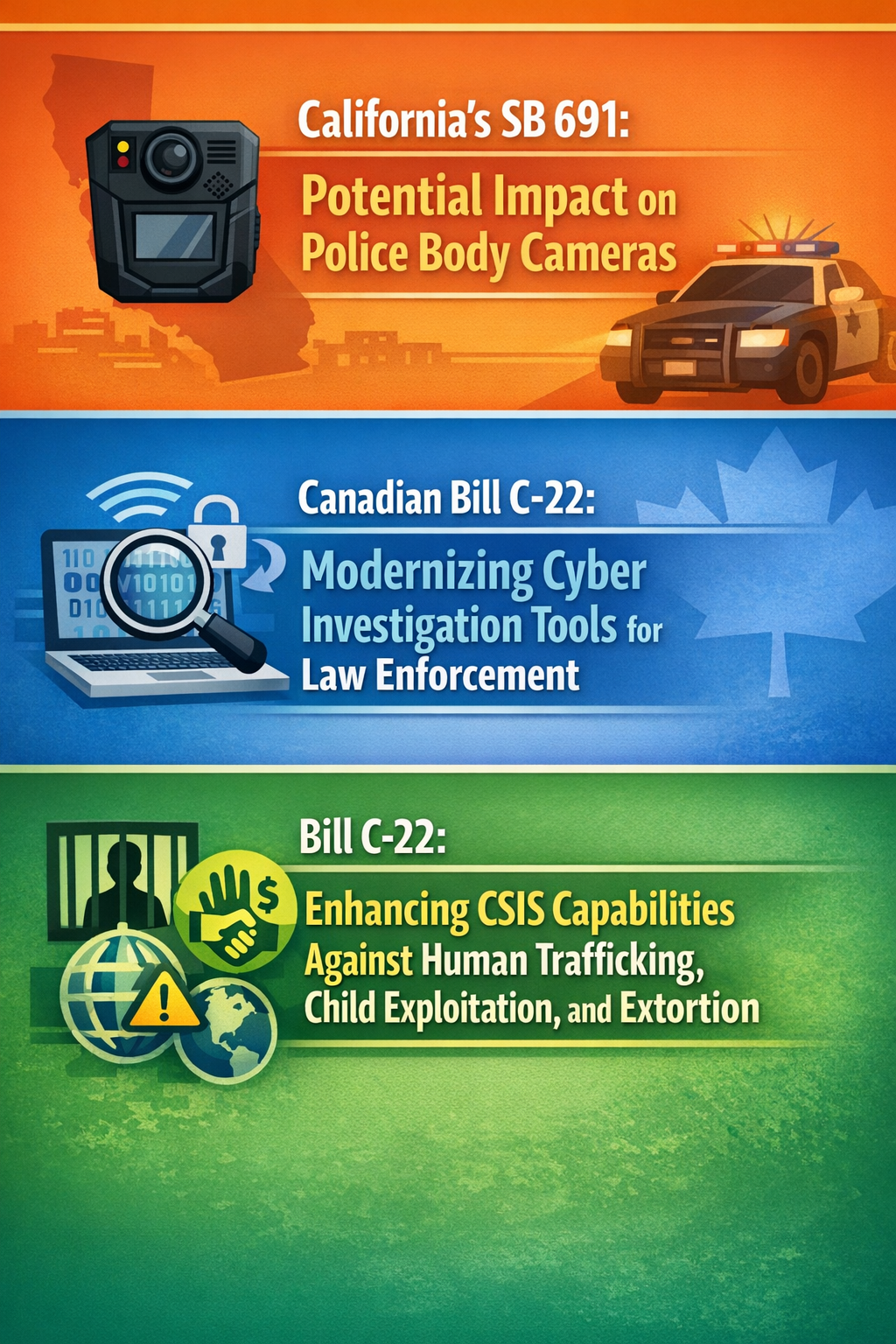
Intelligence Briefing about Administration of Justice
Emerging Trends
- Social Dimensions of Security: National security and law enforcement face complex social cohesion challenges that require multi-agency and community collaboration (The Strategist).
- Advanced Legislative Reforms: International trends, such as Canada’s Bill C-22, are modernizing investigative powers to address cybercrime, human trafficking, and financial fraud (US Judiciary Committee), (Policy Alternatives).
- Technology Integration in Policing: Emerging use of AI, UAVs (drones), and body-worn cameras to enhance public safety and operational transparency, though often coupled with privacy and regulatory challenges (DroneLife), (Galipo Law), (Forbes).
- Financial Crime and Cryptocurrency Controls: Increased regulatory scrutiny on cryptocurrency ATMs and financial scams aimed at protecting vulnerable demographics, highlighting growing challenges in digital financial crime enforcement (The Guardian), (Technocracy News).
- Community Trust and Fear of Law Enforcement: Notable disparities in public perception and fear towards law enforcement persist, emphasizing a need for rebuilding trust and legitimacy within diverse communities (Futurity).
Key Challenges, Opportunities, and Risks
- Challenge: Balancing enhanced investigative powers with civil liberties and privacy protections amid heightened public scrutiny.
- Opportunity: Leveraging AI and advanced technology to improve operational efficiency and predictive policing while maintaining ethical standards.
- Risk: Increased complexity of cyber and financial crimes, including cryptocurrency misuse, may outpace current enforcement capabilities.
- Challenge: Addressing social and racial disparities to rebuild community trust and reduce fear of law enforcement.
- Opportunity: Collaborative, cross-sector approaches including community partnerships to broaden intelligence collection and preventive strategies.
Scenario Development
- Best-Case: Implementation of balanced legislation enhances law enforcement’s cyber and financial crime capabilities; AI and UAV technologies are ethically integrated; community trust improves through transparent policing.
- Moderate Progress: Partial adoption of advanced tools and legal reforms improve investigative outcomes but privacy concerns limit full potential; social tensions persist, slowing trust rebuilding.
- Adverse Outcome: Public backlash over privacy and use of surveillance technologies leads to restrictive policies; cryptocurrency crime proliferates; enforcement struggles with resource constraints and community distrust.
- Worst-Case: Escalating sophisticated cyber and financial crimes overwhelm law enforcement; fracturing community relations and lack of legislative support degrade effectiveness; authoritarian or opaque use of technology undermines legitimacy.
Strategic Questions
- How can the AFP integrate emerging technologies like AI and UAVs while safeguarding privacy and civil liberties?
- What measures could effectively rebuild trust with diverse communities that have longstanding fears or mistrust of law enforcement?
- In what ways could legislative reforms balance enhanced investigative powers with democratic oversight?
- How might the AFP anticipate and counter increasingly sophisticated cyber and financial crimes, especially those exploiting cryptocurrencies?
- What partnerships and interagency collaborations could be prioritized to address the social dimensions of national security threats?
Potential Actionable Insights
- The AFP could explore adopting AI-driven analytics with rigorous ethical frameworks to optimize investigations and risk assessment.
- Developing community engagement programs focused on transparency may help mitigate fear and build mutual trust.
- Collaborating with international counterparts to learn from legislative reforms like Canada’s Bill C-22 could inform domestic policy development.
- Strengthening capabilities in tracking and regulating cryptocurrency transactions could reduce financial crime vulnerabilities.
- Investing in multi-sector partnerships addressing social cohesion could enhance intelligence gathering and holistic threat responses.
Briefing Created: 24/06/2026