Our Scans
·
Regulation
·
Intelligence Briefing
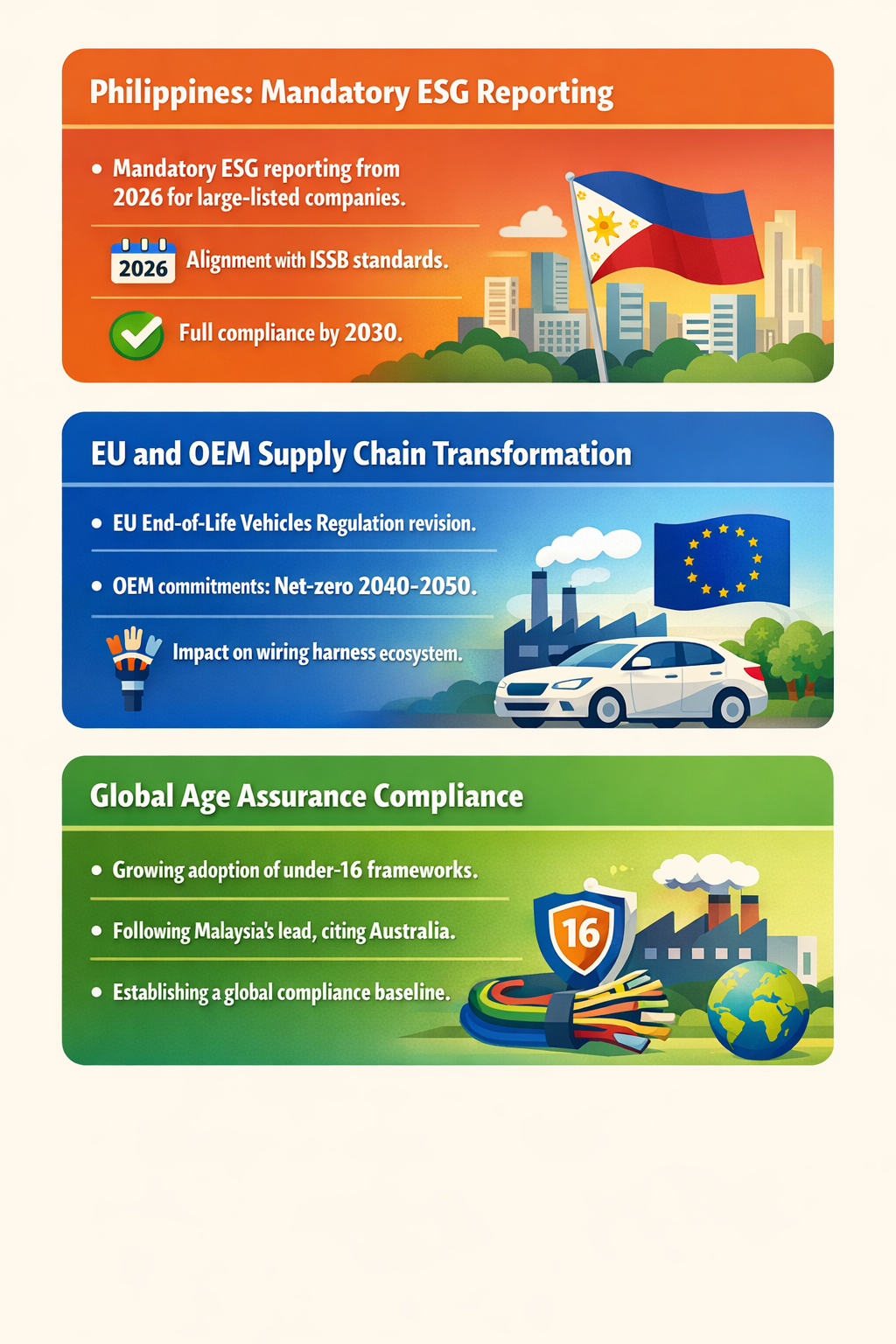
Intelligence Briefing about Regulation
Emerging Trends Impacting the Australian Federal Police
- Increasing Regulatory Complexity: Expanding global compliance requirements around data privacy, AI governance, and ESG reporting are shaping operational and intelligence activities (MarketingProfs, Lewis Silkin).
- Gender Equality Enforcement Pressures: Non-compliance with gender equality targets exposes entities to regulatory enforcement and civil litigation risks, signaling a greater focus on social compliance frameworks (Global Law Experts).
- Age Assurance and Child Protection Regulations: More jurisdictions are adopting under-16 age verification frameworks inspired by Australia’s lead, raising cross-border compliance challenges for digital platforms (Tech Insider).
- Cross-border Data Sharing and Cyber Threat Intelligence Restrictions: Laws like GDPR, CCPA, and India’s DPDP Act constrain threat data collection/sharing, complicating multinational law enforcement cooperation (Research Nester).
Key Challenges, Opportunities, and Risks
- Challenges: Navigating disparate regulatory regimes across jurisdictions; maintaining operational agility amid stringent privacy laws; managing increasing exposure to litigation and public accountability demands.
- Opportunities: Strengthening collaborative frameworks with international partners by aligning compliance practices; leveraging enhanced governance standards to improve public trust and organizational legitimacy.
- Risks: Potential for enforcement actions and reputational damage stemming from non-compliance with evolving gender equality and data privacy laws; operational delays due to regulatory uncertainty in AI and digital age verification systems.
Scenario Development
- Best-Case Scenario: Harmonized international regulations facilitate seamless cross-border intelligence sharing and compliance, bolstering AFP’s capacity to address crime with aligned ethical standards and transparent governance.
- Moderate Progress Scenario: Gradual adoption of harmonized regulations with some fragmentation remains; AFP faces operational inefficiencies but adapts through targeted compliance frameworks and risk management strategies.
- Challenging Scenario: Increasing divergence in privacy and AI governance laws restrict intelligence collaboration, leading to reduced effectiveness in cross-jurisdictional investigations and elevated compliance burdens.
- Worst-Case Scenario: Fragmented regulatory environment coupled with aggressive litigation on gender equality and data privacy causes operational paralysis, reputational damage, and reduced capacity for law enforcement effectiveness.
Strategic Questions for Senior Policy Advisors and Strategists
- How can AFP proactively shape and influence emerging regulatory frameworks to ensure operational viability and compliance?
- What governance mechanisms can balance transparency, privacy, and enforcement efficiencies in cross-border intelligence operations?
- In what ways can AFP mitigate litigation and regulatory risks while advancing gender equality and inclusion objectives?
- How might AFP leverage technological advancements to streamline age assurance and data sharing compliance without compromising investigative integrity?
Actionable Insights and Considerations
- AFP could invest in developing adaptive compliance models tailored to multi-jurisdictional requirements, enhancing regulatory agility.
- Building partnerships with domestic and international regulatory bodies could improve AFP’s influence and anticipatory planning capabilities.
- Embedding ethics and transparency frameworks aligned with global standards could strengthen public trust and reduce exposure to civil litigation.
- Exploring AI and data governance tools that facilitate secure, privacy-compliant intelligence sharing could improve operational outcomes.
Briefing Created: 25/06/2026