Our Scans
·
Innovation in Roads
·
Intelligence Briefing
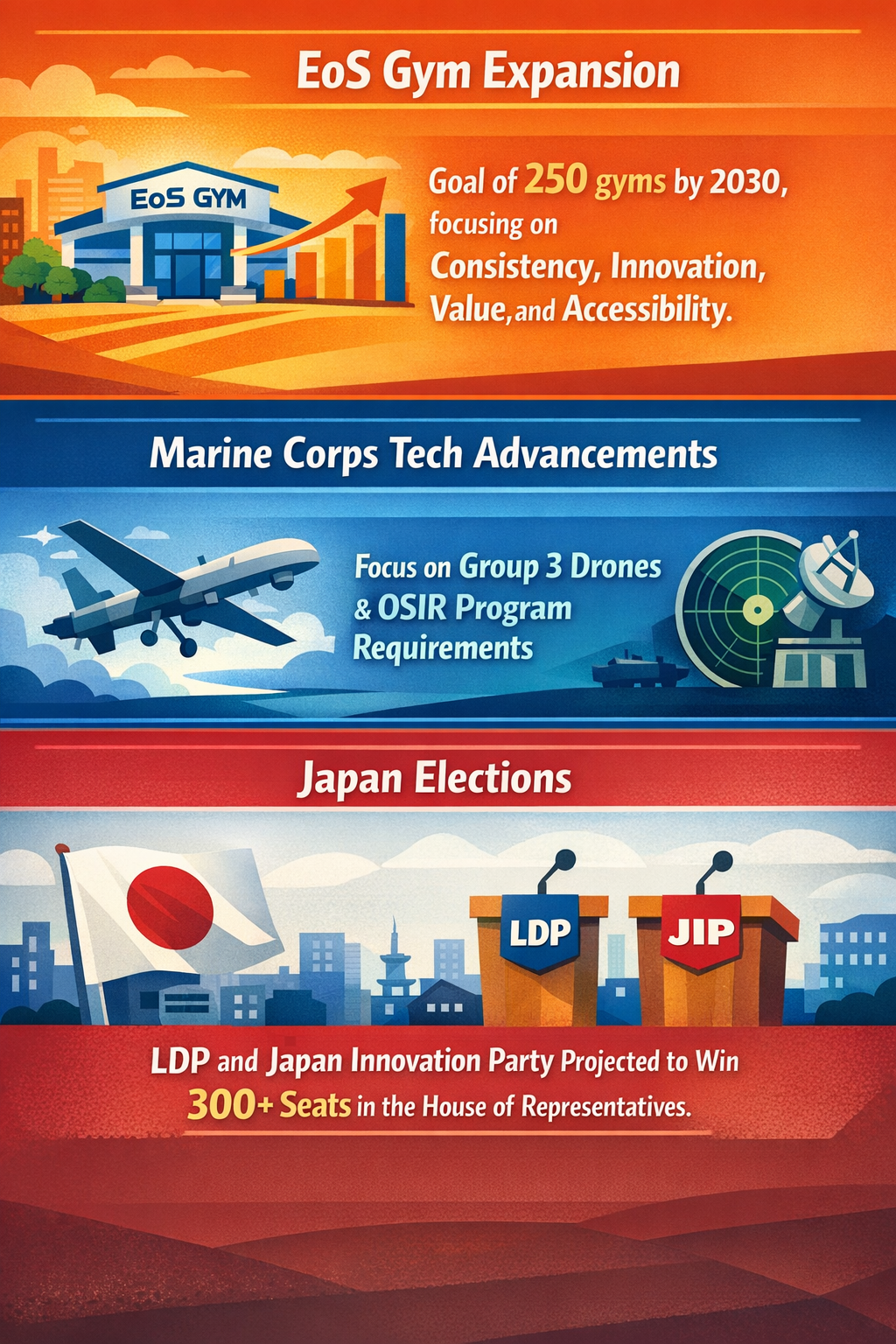
Intelligence Briefing about Innovation in Roads
Critical Trends Impacting Transport Canada
- Accelerated innovation cycles driven by startup engagement models, particularly seen internationally, compress traditional procurement timelines and increase technology adoption speeds (Drone Warfare Weekly).
- Growing emphasis on innovation and economic diversification as drivers of future growth and resilience, exemplified by international hubs like Dubai emphasizing connectivity and pragmatic execution (GCC Business News).
- Emergence of advanced drone technologies influencing transportation and logistics planning, signaling shifts in operational paradigms for infrastructure and mobility (Defense Scoop).
- Global financial innovations redefining payment systems and transactional efficiency, which could impact funding models and financial flows related to road infrastructure development and maintenance (Fintech News).
Key Challenges, Opportunities, and Risks
- Challenges: Adapting procurement policies to capture innovation quickly; managing risks associated with new technologies such as autonomous vehicles and drones;
- Opportunities: Leveraging innovation ecosystems to accelerate modernization of road infrastructure; integrating next-generation technologies to improve efficiency, safety, and environmental sustainability;
- Risks: Potential cybersecurity vulnerabilities from increased digital connectivity; disruption from rapidly evolving tech outpacing regulatory frameworks; equity issues in access to innovations.
Scenario Development
- Best-Case: Accelerated innovation adoption through streamlined procurement leads to a smart, highly connected road network with integrated drone logistics and sustainable funding, enhancing safety and economic growth.
- Moderate Progress: Incremental modernization with selective technology adoption and cautious regulatory updates results in improved but fragmented road system capabilities and moderate resilience to disruptions.
- Stagnation: Bureaucratic inertia and risk aversion delay adoption of new technologies, leading to reliance on outdated infrastructure, increasing maintenance costs, and reduced competitiveness.
- Worst-Case: Failure to manage cybersecurity, inequity in technology access, and regulatory gaps causes major operational disruptions, safety incidents, and loss of public trust.
Strategic Questions
- How can Transport Canada accelerate procurement and regulatory frameworks to keep pace with rapid technological innovation in road transport?
- What strategies could be employed to balance innovation adoption with cybersecurity and equity considerations?
- In what ways could emerging drone and connectivity technologies be integrated into national road infrastructure to enhance operational efficiency?
- How might Transport Canada foster partnerships with innovation ecosystems domestically and internationally to support resilient infrastructure growth?
Actionable Insights and Considerations
- Transport Canada could explore pilot programs that utilize emerging drone technologies to improve logistics and road maintenance monitoring.
- Policies could be reviewed to enable more agile procurement processes that shorten innovation adoption timelines while ensuring transparency and safety.
- Investment in cybersecurity frameworks could mitigate risks from increasing digital integration in road infrastructure management.
- Collaboration with global innovation hubs could provide valuable insights and partnerships to diversify economic and technological approaches to road infrastructure development.
Briefing Created: 24/06/2026