Our Scans
·
Innovation in Rail
·
Intelligence Briefing
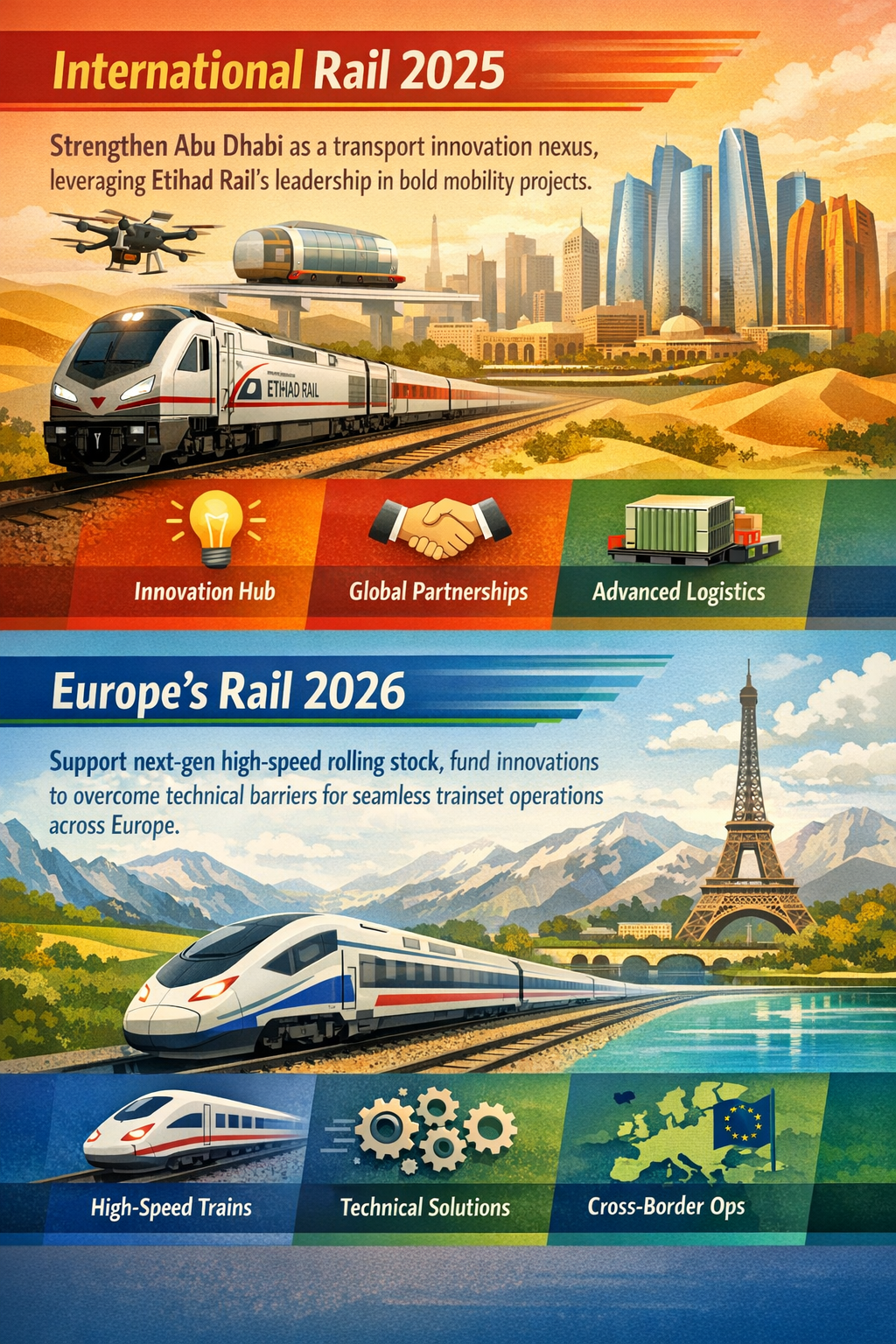
Intelligence Briefing about Innovation in Rail
Critical Trends Impacting Transport Canada
- Global strategic competition: China and Japan prioritize high-speed rail development as a strategic industry with strong innovation and export ambitions (Yahoo News).
- Hydrogen-powered and sustainable rail innovation: India’s NTPC-Concord project exemplifies leadership in hydrogen locomotives, signaling a shift towards greener rail technologies with export potential (Newsonprojects).
- Cross-border interoperability and technical innovation: Europe’s 2026 research initiatives aim to overcome integration barriers for high-speed trains across different countries, enhancing seamless travel (Railway Gazette).
- Stable funding enabling domestic innovation: Consistent CPTF funding in Canada provides certainty for manufacturers to scale innovations and compete internationally (CUTA ACTU).
- Passenger-centric and eco-friendly modernization: U.S. rail plans prioritize speed, comfort, and sustainability, positioning rail as a key travel mode by 2026 (Travel and Tour World).
Key Challenges, Opportunities, and Risks
- Challenges: Keeping pace with international innovation, protecting domestic manufacturing amid global competition, and resolving technical interoperability issues across regions.
- Opportunities: Leveraging green technologies such as hydrogen propulsion, expanding export markets, and enhancing passenger experience to increase rail’s modal share.
- Risks: Potential loss of market share without strategic investment, technology obsolescence, and disruption from inconsistent funding or regulatory frameworks.
Scenario Development
- Best-Case: Stable funding supports strong Canadian innovation; seamless integration of high-speed rail with hydrogen technologies elevates Canada’s global competitiveness; passenger demand surges driven by eco-conscious and comfortable rail solutions.
- Optimistic Moderate: Canada successfully adopts select advanced technologies but faces moderate competition from Asia and Europe; interoperability challenges persist but are gradually managed; funding remains adequate but constrained.
- Challenging Status Quo: Global competitors dominate high-speed and green rail markets; Canadian innovation is underfunded; interoperability barriers limit cross-border potential; passenger growth stagnates.
- Worst-Case: Funding cuts disrupt domestic R&D; Canada falls behind in key technologies such as hydrogen propulsion and high-speed connectivity; rail becomes marginal in passenger transport; risks from technology lag and market loss escalate.
Strategic Questions
- How can Transport Canada foster innovation to ensure domestic rail technologies remain competitive in a rapidly evolving global market?
- What policies or partnerships could expedite the adoption of sustainable propulsion technologies like hydrogen in Canadian rail systems?
- In what ways can funding mechanisms be structured to provide long-term certainty while driving breakthrough advancements?
- How should Canada position itself to address interoperability challenges that affect cross-border high-speed rail integration?
- What strategies could optimize passenger experience and increase rail’s share in national transportation amid growing environmental concerns?
Actionable Insights for Strategic Decision-Making
- Transport Canada could explore targeted investment in hydrogen and other green propulsion research to align with international trends and export opportunities.
- Enhancing partnerships with established global innovators might accelerate technology transfer and improve domestic capabilities.
- Establishing flexible yet stable funding frameworks could create an environment conducive to long-term innovation planning and scaling.
- Developing interoperability standards in collaboration with international counterparts could reduce technical barriers and enhance network connectivity.
- Focusing on passenger comfort and eco-friendly features could drive ridership growth and public support for rail investments.
Briefing Created: 25/02/2026