Our Scans
·
Internet of Things (IoT)
·
Intelligence Briefing
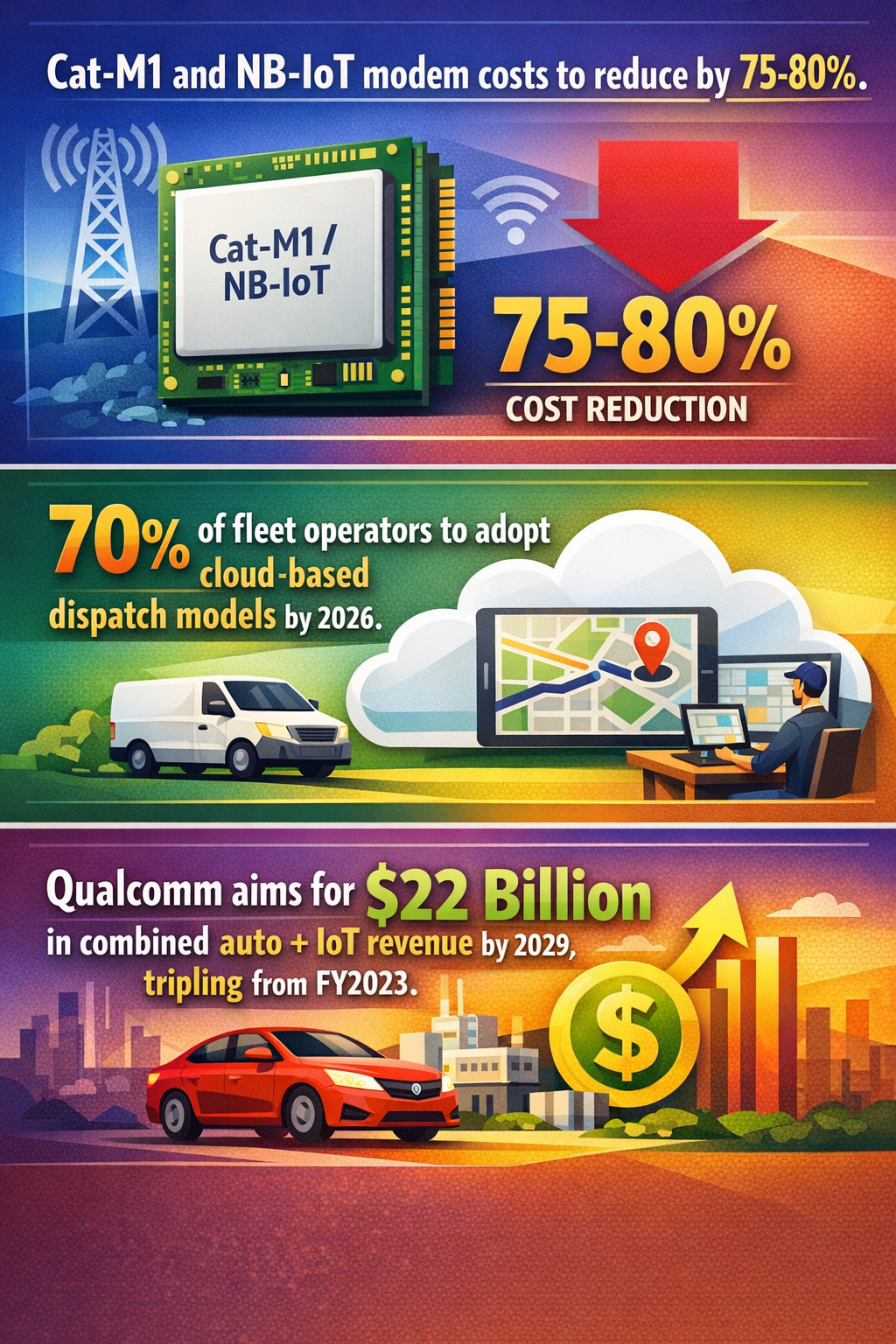
Intelligence Briefing about Internet of Things (IoT)
Critical Trends Impacting Transport Canada
- Integration of advanced IoT solutions in automotive, industrial, and communications infrastructure points toward increased embedded system capabilities (NXP Semiconductors).
- The U.S. leads regional adoption of mature AI, cloud, and IoT ecosystems, underscoring the importance of cross-border technological collaboration and competitiveness (Persistence Market Research).
- By 2026, smart city initiatives will widely deploy IoT sensors for road infrastructure, smart street-lighting with vehicle detection, dynamic traffic management, and connected public transit systems, driving transformative urban mobility (Technilizer).
Key Challenges, Opportunities, and Risks
- Challenges: Ensuring cybersecurity and data privacy with expanded IoT networks; managing interoperability across diverse embedded systems; addressing infrastructure upgrade costs.
- Opportunities: Leveraging IoT for improved traffic flow, asset monitoring, and predictive maintenance; enhancing safety and environmental outcomes through real-time data analytics; fostering innovation partnerships domestically and internationally.
- Risks: Potential for cyber-attacks disrupting critical transport infrastructure; regulatory lag in adapting to fast-evolving IoT technologies; uneven adoption risking operational siloes or gaps.
Scenario Development
- Best-Case: Seamless integration of IoT-enabled smart infrastructure nationwide, driven by collaborative public-private partnerships and robust cybersecurity frameworks, resulting in optimized traffic management, increased safety, and carbon reduction.
- Moderate Progress: Partial deployment of smart city IoT solutions mainly in urban centers; some challenges with interoperability and data governance slow full benefits realization; gradual improvements in mobility and safety metrics.
- Technological Fragmentation: Disparate IoT systems and lack of unified standards lead to fragmented infrastructure; increased vulnerability to cyber threats; limited scalability and user adoption restrain transformative impacts.
- Worst-Case: Cybersecurity breaches and regulatory failures cause widespread distrust and disruption of connected transport systems; infrastructure investments stall; Canada falls behind regional peers in IoT adoption, impairing competitiveness and public safety.
Strategic Questions
- How can Transport Canada facilitate secure and interoperable IoT ecosystems that balance innovation with privacy and safety?
- What frameworks could be developed to accelerate adoption of smart city IoT solutions while mitigating risks of technological fragmentation?
- In what ways could cross-border collaboration with the U.S. and other leaders enhance Canada’s IoT infrastructure and capabilities?
- How might Transport Canada anticipate and adapt regulatory approaches to keep pace with rapid IoT and AI-driven transformation?
- What strategies could enable resilience against cyber threats targeting increasingly connected transport infrastructure?
Actionable Insights and Considerations
- Transport Canada could prioritize pilot programs for IoT-enabled smart infrastructure to assess interoperability and security in real-world scenarios.
- Developing partnerships with technology leaders and research institutions could advance innovation while managing risks inherent to IoT deployments.
- Implementing adaptive regulatory sandboxes could provide flexibility for emerging IoT technologies, promoting safe experimentation and standards development.
- Enhanced focus on cybersecurity frameworks and workforce training could build resilience against potential IoT-related threats.
- Strategic alignment with international standards and cross-border interoperability could improve overall ecosystem effectiveness and competitiveness.
Briefing Created: 24/06/2026