Our Scans
·
Healthcare
·
Intelligence Briefing
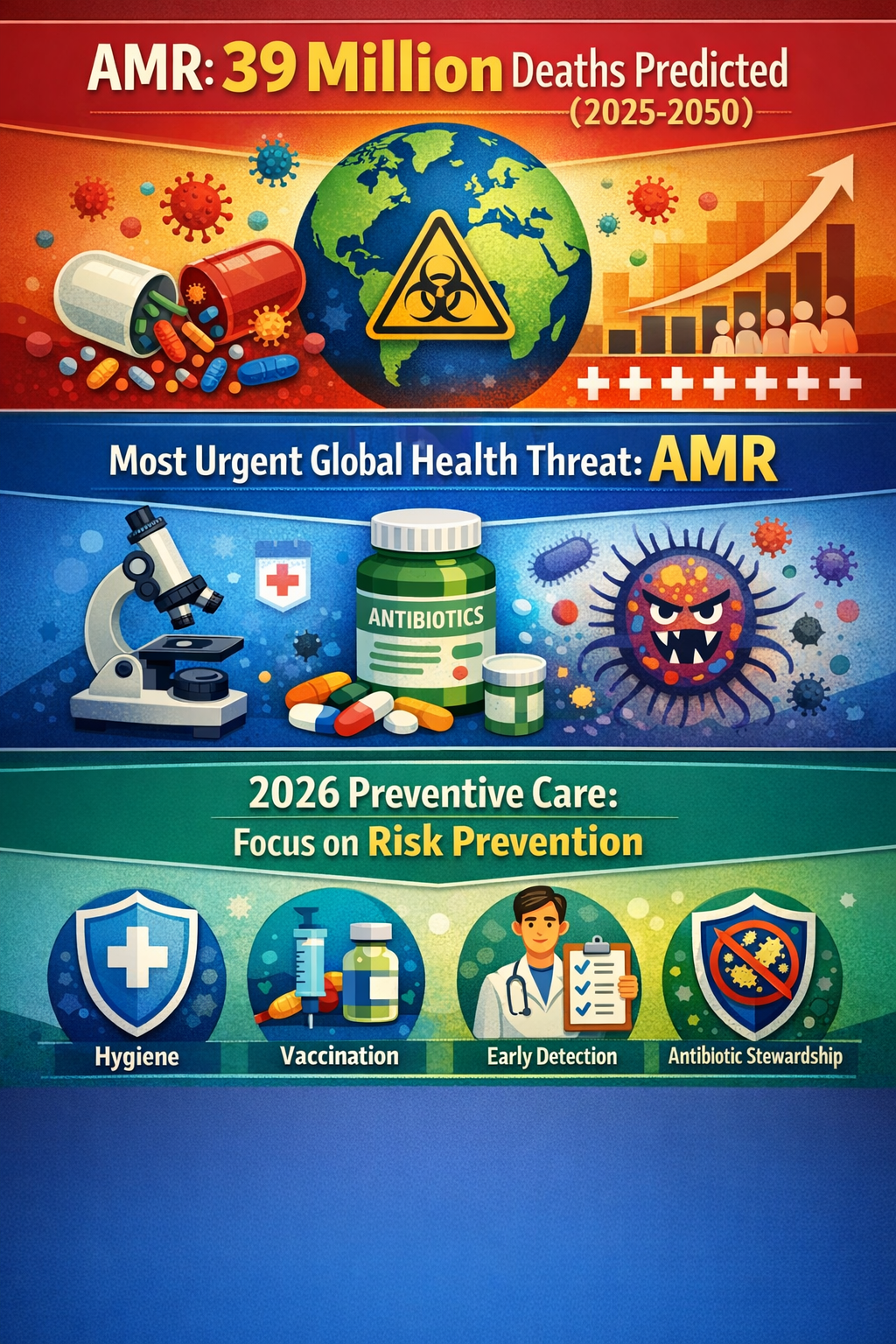
Intelligence Briefing about Healthcare
Critical Emerging Trends
- Rising Mental Health Demand: Mental health appointment demand is projected to increase by 32% from 2021 to 2031, driven by broader awareness and escalating crises (Prospect).
- Integration of Crisis Response: NSW Police and the Health Department are negotiating new protocols to reduce police as the default responders to mental health incidents (The Guardian).
- Preventive and Remote Care Expansion: Preventive healthcare is shifting toward continuous risk management, with remote patient monitoring transforming primary care delivery (HumHealth).
- Climate-Aware Mental Health Training: Urgent need for new approaches addressing climate-related mental health impacts is disrupting existing care paradigms (Global Wellness Summit).
- Antimicrobial Resistance (AMR): AMR is declared a top global health threat, potentially causing millions of deaths in coming decades, with specific high-risk pathogens undermining treatments (EurekAlert, CDC Emerging Infectious Diseases).
- Health Service Capacity Strains: Increasing elderly population opting out of Private Health Insurance is expected to intensify hospital waiting times and emergency department ramping (Cotasa).
- Physical Inactivity Epidemic: Sedentary lifestyles significantly contribute to chronic disease prevalence, exacerbating the healthcare burden (PMC).
Key Challenges, Opportunities & Risks
- Challenges: Managing rising demand for mental health services without over-reliance on emergency responders; integrating climate mental health expertise amid resource constraints; mitigating AMR threats; addressing increased public hospital pressures due to reduced private insurance coverage.
- Opportunities: Collaborations with law enforcement to reform crisis interventions; leveraging technology for remote and preventive care models; expanding meditation and self-care programs; embedding climate-aware mental health training to create resilient care frameworks.
- Risks: Failure to adapt crisis response may worsen patient outcomes and police workload; unchecked AMR could overwhelm healthcare capacity; poor management of hospital demand could degrade service quality and access; neglect of physical inactivity prevention could escalate chronic disease incidence.
Scenario Development
- Best-Case: Successful coordination between health and police services leads to effective, specialized mental health crisis interventions; preventive and remote care expand widely; climate mental health expertise becomes standard; AMR containment strategies reduce infection rates; hospital capacity is stabilized despite demographic challenges.
- Moderate-Case: Partial implementation of crisis response reforms with ongoing burden on police; gradual adoption of preventive care; climate-related mental health programs remain niche; AMR grows slowly but healthcare adapts; hospital wait times increase moderately.
- Challenging-Case: Delayed or ineffective integration of mental health crisis protocols strains emergency services; limited access to preventive and remote care; climate impacts on mental health exacerbate without scalable solutions; AMR accelerates resistance making infections harder to treat; hospital pressures cause significant service delays.
- Worst-Case: Police remain default responders causing resource burnout and poor patient outcomes; preventive care stagnates; climate-related mental health crisis escalates; AMR causes widespread treatment failures and mortality; health system overwhelmed by demand and limited capacity, especially in hospitals.
Strategic Questions
- How can NSW Health optimize collaboration with law enforcement to deliver timely and appropriate mental health crisis interventions?
- What investments in remote monitoring and preventive care infrastructure could most effectively reduce healthcare burdens?
- In what ways might NSW Health build capacity and expertise in climate-aware mental health to future-proof services?
- What proactive measures could be prioritized to mitigate antimicrobial resistance locally while aligning with global efforts?
- How might the health system adapt to increasing demand pressures caused by demographic shifts and declining private insurance uptake?
Actionable Insights
- Develop joint protocols and training programs with NSW Police focusing on mental health crisis triage and response, potentially reducing inappropriate emergency involvement.
- Expand scalable remote patient monitoring and telehealth solutions to enable continuous risk management and early intervention in chronic and mental health conditions.
- Invest in workforce development around climate-related mental health impacts to position NSW as a leader in emerging care models.
- Prioritize surveillance and stewardship programs to slow antimicrobial resistance progression and protect critical treatments.
- Plan hospital resource allocation proactively to manage expected increases in demand while exploring incentives to stabilize private insurance participation.
Briefing Created: 24/06/2026