Our Scans
·
Workforce
·
Intelligence Briefing
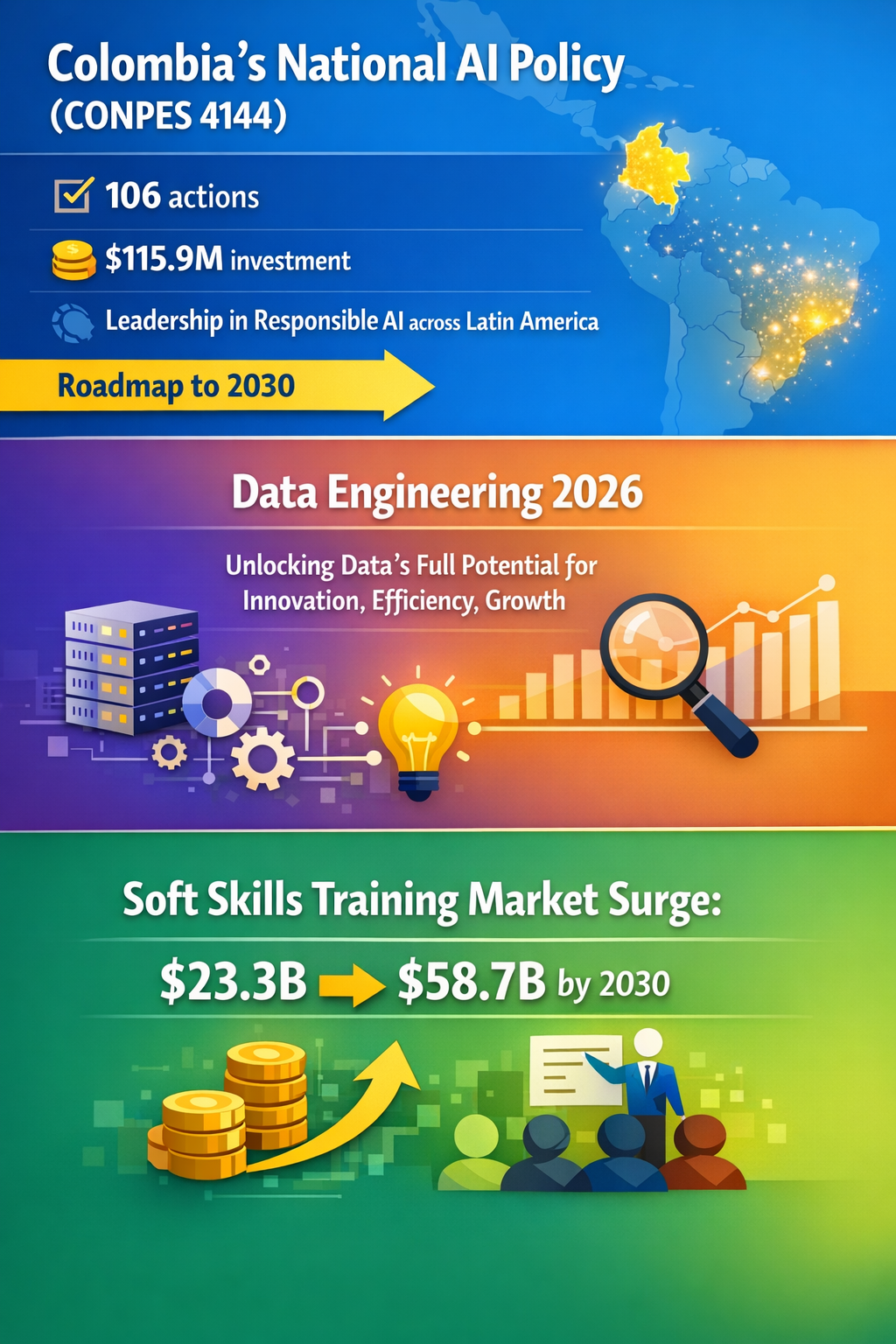
Intelligence Briefing about Workforce
Critical Trends Impacting Ministry of Health NSW
- Global Health Worker Shortage: WHO projects an 11 million health worker deficit by 2030, driving increased reliance on semi-automated medical technologies to reduce clinical workloads without compromising care quality (MarkNtel Advisors).
- AI and Workforce Automation: Rapid advances in AI safety, cybersecurity, and operational tools shape workforce capabilities, with cross-national collaborations reinforcing technological governance (BuildFastWithAI).
- Inclusive Recruitment & Talent Mobility: Embracing diversity and international recruitment platforms, such as the EU Talent Pool, broaden access to skilled workers for sectors with labour shortages (European Commission, Acorn by Synergie).
- Workforce Training Investments: Substantial funding initiatives internationally target vocational and technical skill gaps, highlighting the criticality of ongoing workforce development (China Daily HK, National Conference of State Legislatures).
Key Challenges, Opportunities, and Risks
- Challenges: Managing costs, maintaining workforce capacity, and ensuring financial sustainability amid rising demand for skilled health workers.
- Opportunities: Leveraging AI-driven automation to enhance care quality and reduce workforce strain; expanding inclusive recruitment to mitigate labour shortages.
- Risks: Potential talent drain if international competition intensifies; cybersecurity vulnerabilities associated with increased AI adoption.
Scenario Development
- Best-Case Scenario: Effective integration of AI-driven tools and robust vocational training programs lead to workforce capacity meeting or exceeding demands, with inclusive recruitment strategies securing diverse talent pools, and cybersecurity frameworks minimizing risks.
- Moderate Growth Scenario: Partial adoption of automation and training programs reduces some strain, but persistent workforce shortages remain in key areas; moderate improvements in recruitment and retention; cyber risks managed but continue to require vigilance.
- Challenging Scenario: Limited investment in workforce development and slow AI integration cause worsening shortages; competition for talent intensifies internationally; cybersecurity incidents disrupt operational efficiency.
- Worst-Case Scenario: Workforce deficits severely constrain healthcare delivery; failure to adopt technology undermines quality and safety; exclusionary recruitment practices amplify staffing gaps; significant cyberattacks compromise system integrity.
Strategic Questions for Policy Advisors
- How can the Ministry of Health NSW best leverage AI and automation to complement workforce capacity while safeguarding patient safety and data security?
- What strategies could enhance inclusive recruitment and international talent attraction to address critical healthcare workforce shortages?
- In what ways might sustained investment in vocational and technical training improve long-term workforce resilience and adaptability?
- How could NSW proactively manage emerging cybersecurity risks associated with AI integration in health systems?
- What mechanisms could enable monitoring and evaluation of workforce initiatives to ensure financial sustainability amid evolving healthcare demands?
Potential Actionable Insights
- The Ministry could explore partnerships to pilot semi-automated clinical technologies that alleviate frontline workforce pressures.
- Inclusive recruitment policies could be expanded, potentially incorporating international collaboration and facilitating credential recognition.
- Investment in targeted vocational training programs aligned with healthcare needs could enhance pipeline supply and future-proof skills.
- Developing comprehensive AI safety and cybersecurity guidelines could mitigate risks and build public trust in technology adoption.
- Continuous scenario planning and stakeholder engagement could inform adaptive strategies responsive to workforce and technological shifts.
Briefing Created: 24/06/2026