Our Scans
·
Social Recession
·
Intelligence Briefing
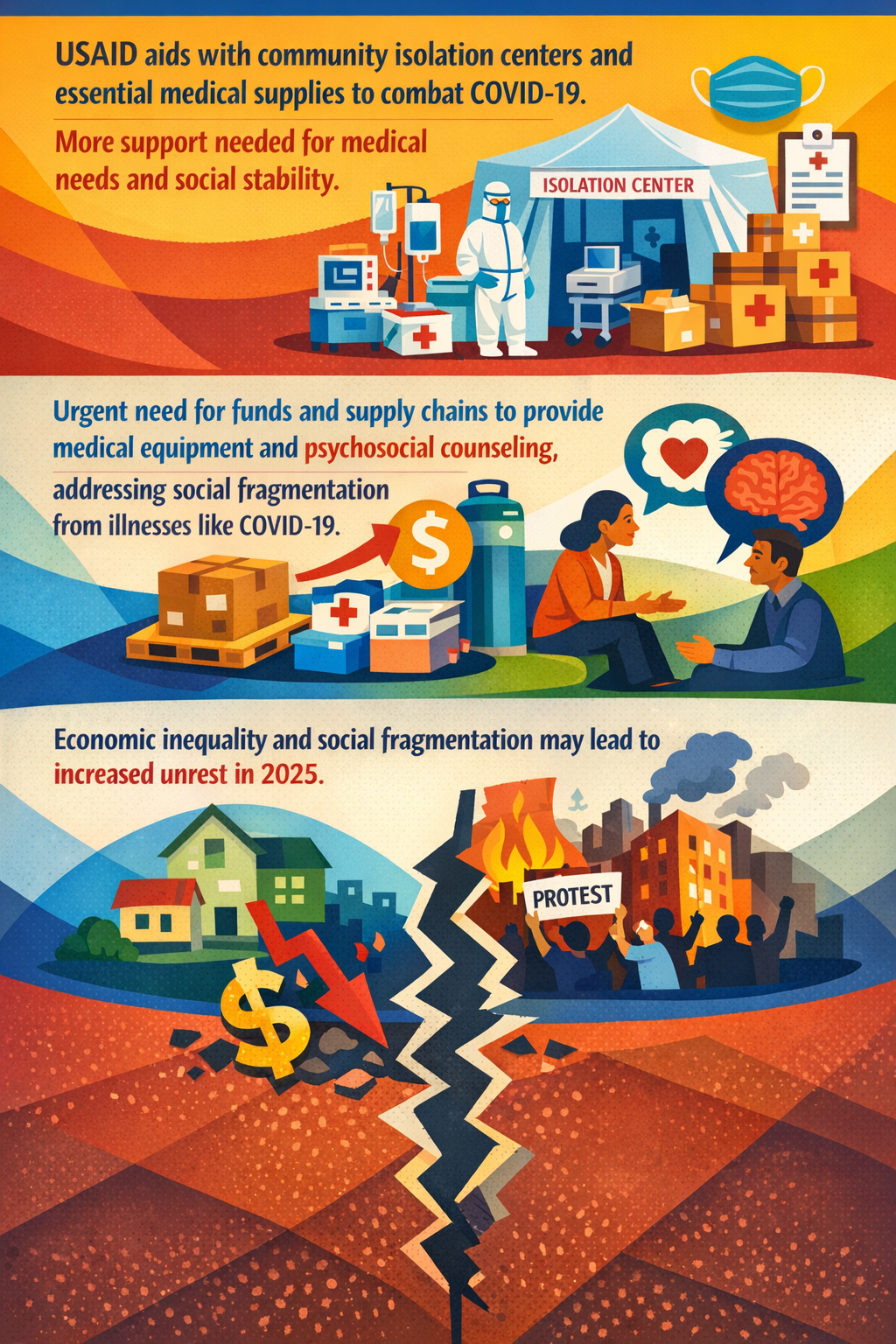
Intelligence Briefing about Social Recession
Critical Trends Impacting Ministry of Health NSW
- Increasing social fragmentation is undermining trust in state institutions, contributing to a climate of sustained tension that can exacerbate public health challenges (Crisis24).
- Socioeconomic status (SES) deprivation is a primary psychosocial risk factor, with chronic financial stress impairing social functioning and interactions within communities (PMC NCIBI).
- Persistent social recession—characterized by weakening social bonds and trust—could compound mental health and community well-being, increasing demand on health services.
Key Challenges, Opportunities, and Risks
- Challenges: Addressing entrenched social divisions; mitigating chronic financial stress impacts on health; combating misinformation and distrust that erode public health compliance.
- Opportunities: Developing community-based interventions targeting social cohesion; leveraging multidisciplinary approaches integrating social determinants of health;
- Risks: Prolonged social tensions may fuel ongoing health disparities and exacerbate mental health crises; erosion of institutional trust might reduce effectiveness of public health initiatives.
Scenario Development
- Best-Case: Coordinated social and economic policies successfully rebuild community trust and mitigate SES deprivation, leading to enhanced social functioning and improved public health outcomes.
- Moderate Positive: Partial improvement in economic conditions lowers financial stress, while targeted social programs reduce fragmentation, though underlying tensions remain manageable.
- Moderate Negative: SES deprivation persists with growing social fragmentation; distrust in institutions limits uptake of health services, resulting in worsening mental and physical health metrics.
- Worst-Case: Deepening social recession driven by economic decline and rampant distrust leads to chronic public health crises, destabilizing social order and overwhelming health systems.
Strategic Questions
- How can Ministry of Health NSW integrate social cohesion indicators into public health planning and resource allocation?
- What strategies could be employed to rebuild trust in state institutions among communities experiencing high SES deprivation?
- In what ways can the Ministry collaborate across sectors to address the psychosocial impacts of chronic financial stress?
- How might emerging social tensions influence public compliance with health policies and emergency responses?
Potential Actionable Insights
- The Ministry could prioritize initiatives that simultaneously address economic stressors and social fragmentation to holistically improve social functioning.
- Early identification of areas with heightened SES deprivation could inform targeted outreach and tailored community engagement programs.
- Investing in transparent communication strategies may reduce misinformation-induced distrust and improve public health intervention uptake.
- Cross-sector partnerships could be leveraged to amplify efforts in reducing psychosocial risks contributing to social recession.
Briefing Created: 02/06/2026