Our Scans
·
Protecting the Environment: Indigenous Partnership for Ocean Acidification
·
Intelligence Briefing
Intelligence Briefing about Protecting the Environment: Indigenous Partnership for Ocean Acidification
Emerging Trends
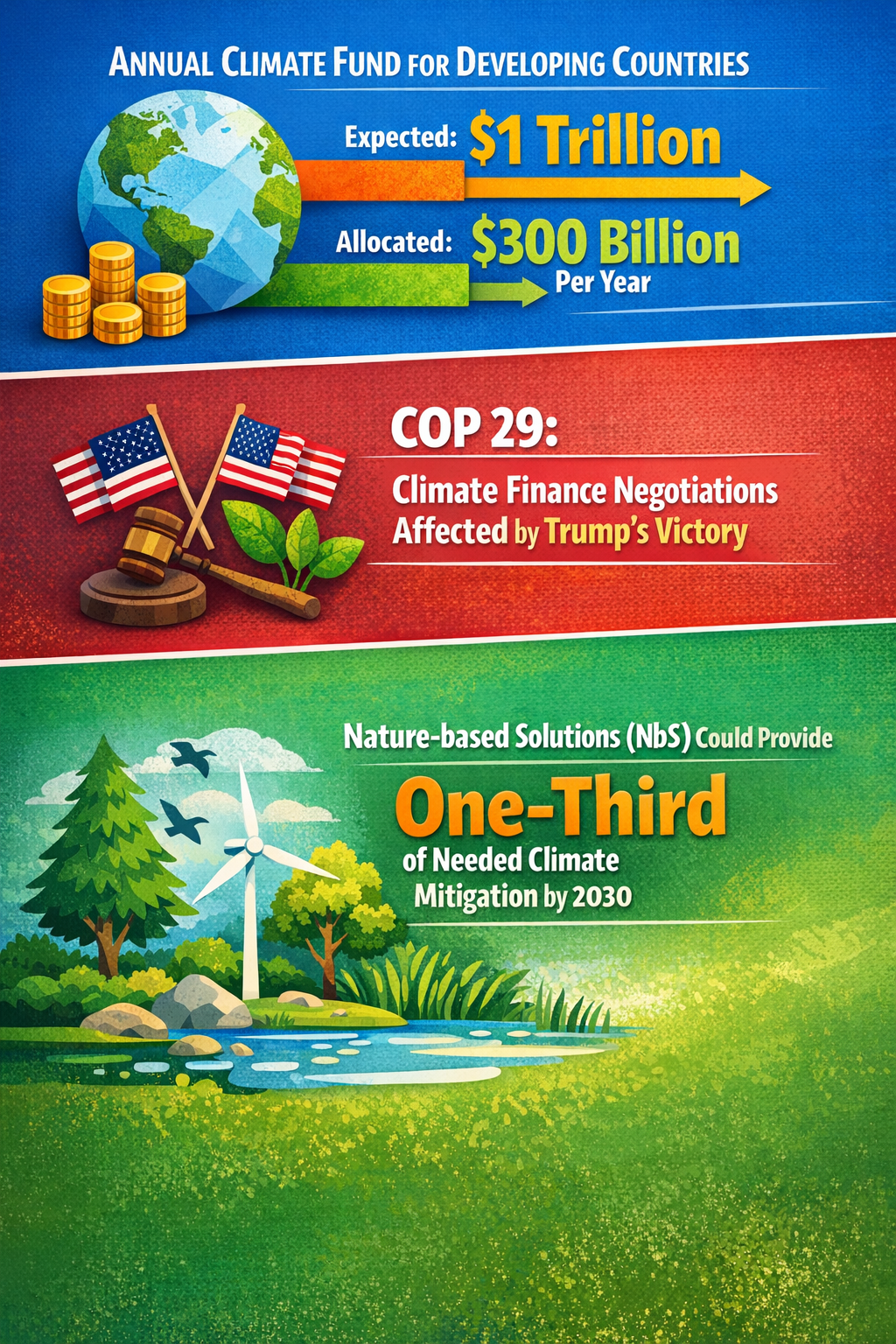
- Significant underfunding in climate change mitigation, with developing countries expecting >$1 trillion annually but only $300 billion projected (The Automatic Earth).
- Projected increase in climate mitigation investment needs to $2 trillion by 2030 in emerging markets and developing economies (EMDEs) (OMFIF).
- Growing recognition of Indigenous partnerships as critical to effective ocean acidification response and broader environmental protection efforts.
Key Challenges, Opportunities, and Risks
- Challenges: Funding shortfalls limit comprehensive climate action; integrating Indigenous knowledge within bureaucratic frameworks; balancing economic and environmental priorities.
- Opportunities: Strengthening Indigenous partnerships can enhance monitoring and mitigation strategies for ocean acidification; leveraging private sector investment to supplement public funds; positioning Transport Canada as a leader in inclusive environmental stewardship.
- Risks: Insufficient investment may exacerbate ocean acidification impacts on fisheries and coastal communities; marginalization of Indigenous voices could undermine legitimacy and effectiveness; policy inertia could impair timely response.
Scenario Development
- Best-Case: Sufficient climate funding flows through public-private partnerships; Indigenous communities actively co-manage ocean acidification programs; Transport Canada leads collaborative, adaptive policies.
- Moderate Progress: Incremental funding increases with mixed private sector participation; Indigenous partnerships established but under-resourced; partial mitigation success with some regional disparities.
- Resource Constraints: Funding remains insufficient; private sector engagement limited; Indigenous input recognized but poorly integrated; ocean acidification impacts worsen in vulnerable areas.
- Worst-Case: Climate mitigation funding drastically below needs; Indigenous partnerships sidelined; policy response fragmented; severe degradation of marine ecosystems impacting transportation and fisheries.
Strategic Questions
- How can Transport Canada effectively mobilize and coordinate public-private funding to address ocean acidification alongside Indigenous partnerships?
- What frameworks are needed to meaningfully integrate Indigenous traditional knowledge into environmental monitoring and policy development?
- In what ways can Transport Canada balance immediate transportation infrastructure needs with long-term ocean acidification mitigation priorities?
- How might emerging geopolitical and economic shifts impact Canada's ability to invest in Indigenous-led environmental initiatives?
Actionable Insights and Considerations
- Transport Canada could explore innovative financing mechanisms that leverage private sector capital to supplement constrained public funding.
- Developing institutionalized partnership models with Indigenous communities could improve responsiveness and legitimacy in environmental initiatives.
- Embedding ocean acidification mitigation objectives into transportation planning might reduce ecosystem risks and support sustainable economic activity.
- Proactively monitoring global investment trends and policy shifts could enable more agile strategic adjustments.
Briefing Created: 09/08/2026