Our Scans
·
Security & Resiliency in the Digital Age
·
Intelligence Briefing
Intelligence Briefing about Security & Resiliency in the Digital Age
Critical Trends Impacting Transport Canada
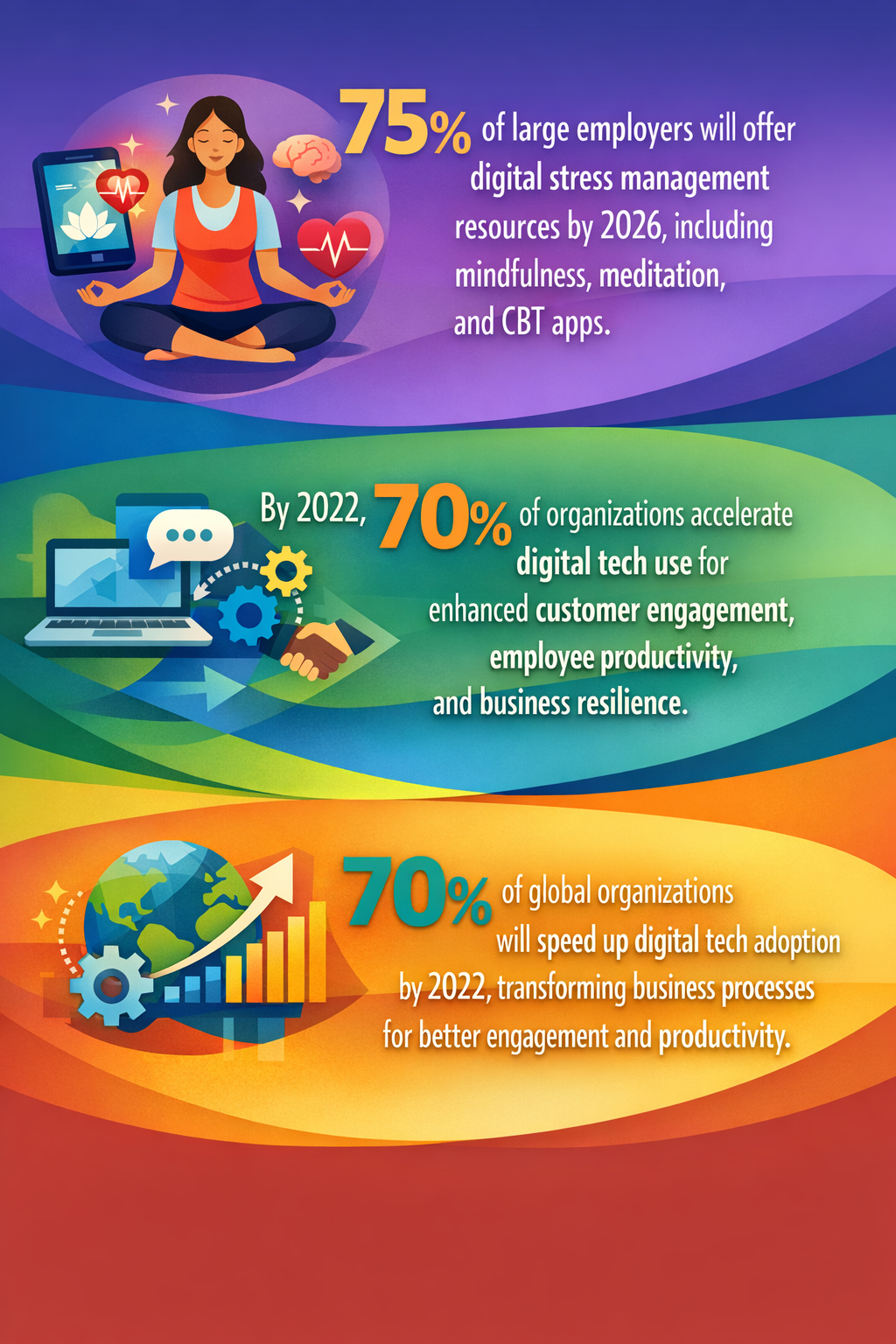
- Digital Transformation Acceleration: By 2022, approximately 70% of organizations worldwide accelerated adoption of digital technologies, reshaping business processes to improve customer engagement, employee productivity, and overall business resiliency (ZDNet).
- Focus on Digital Stress Management: Over 75% of large employers plan to offer digital resources for stress management, such as mindfulness and cognitive behavioral therapy apps, by 2026, highlighting increased emphasis on workforce mental health and resiliency (Healthcare Dive).
- Significant Investment in Digital Transformation: Global spending on digital transformation is projected to exceed $6.8 trillion within two years, emphasizing the scale and strategic importance of digital adoption across sectors (Mobile Europe).
Key Challenges, Opportunities, and Risks
- Challenges: Integrating advanced digital tools while securing infrastructure against evolving cyber threats; maintaining workforce well-being amid rapid technological change; ensuring interoperability across legacy and new systems.
- Opportunities: Leveraging digital transformation to enhance operational efficiency, real-time data analytics, and stakeholder engagement; adopting digital resiliency programs to sustain workforce productivity and morale.
- Risks: Increased attack surfaces and potential vulnerabilities due to expanded digital footprints; employee burnout or disengagement if mental health is not proactively managed; possible misalignment of digital initiatives with regulatory and safety standards.
Future Scenarios
- Best Case: Seamless integration of advanced digital technology and resiliency programs leads to optimized operations, robust cyber defenses, and a healthy, engaged workforce.
- Moderate Success: Digital adoption improves efficiency but workforce digital stress rises moderately; cyber defenses evolve reactively, causing occasional disruptions managed effectively.
- Challenging Environment: Cyber threats outpace defenses; fragmented digital systems create vulnerabilities; workforce experiences significant stress impacting productivity and safety compliance.
- Worst Case: Widespread cyber-attacks severely disrupt transport infrastructure; failure to manage digital transformation and workforce resiliency results in operational paralysis and safety incidents.
Strategic Questions
- How could Transport Canada balance rapid digital innovation with comprehensive cybersecurity controls to protect critical infrastructure?
- What strategies could be implemented to enhance digital resiliency and mental health support for employees amid ongoing technological change?
- In what ways could emerging digital technologies be leveraged to improve operational transparency and stakeholder trust?
- How might Transport Canada align digital transformation initiatives with evolving regulatory frameworks and safety obligations?
Actionable Insights for Strategic Decision-Making
- Transport Canada could consider investing in scalable cybersecurity solutions that evolve alongside digital infrastructure advancements.
- The organization could explore partnerships for digital mental health resources to proactively support workforce resiliency.
- Developing robust data analytics capabilities could enable real-time monitoring and rapid response to security threats and operational bottlenecks.
- Prioritizing interoperable systems may reduce vulnerabilities and streamline compliance with regulatory and safety standards.
Briefing Created: 26/07/2026