Our Scans
·
Future Tax aadmin
·
Intelligence Briefing
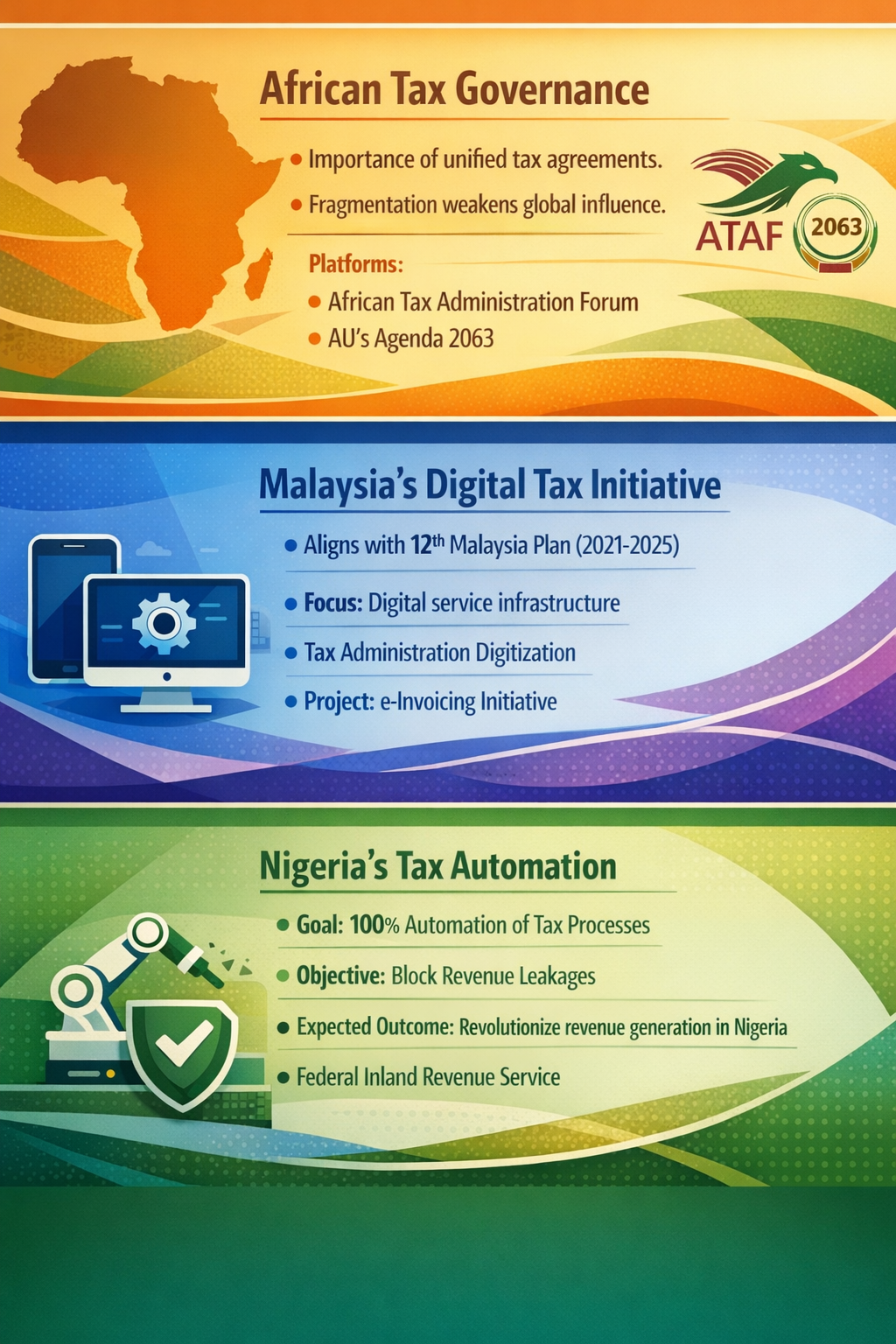
Intelligence Briefing about Future Tax Administration
Critical Emerging Trends
- Digital Transformation and AI Integration: Automation and AI are increasingly reshaping tax processing, compliance monitoring, and fraud detection.
- Data Privacy and Security Concerns: Growing volume of taxpayer data necessitates robust cybersecurity measures and privacy compliance.
- Changing Taxpayer Behavior and Expectations: Taxpayers demand faster, more transparent, and user-friendly digital services.
- Regulatory Complexity and International Coordination: Cross-border taxation and evolving regulations require adaptive frameworks and global cooperation.
Key Challenges, Opportunities & Risks
- Challenges: Managing legacy systems, ensuring data security, balancing transparency with privacy rights, and adapting to rapid regulatory changes.
- Opportunities: Leveraging AI for predictive analytics, enhancing taxpayer engagement via digital platforms, and improving efficiency through streamlined processes.
- Risks: Cybersecurity breaches, loss of public trust if data misuse occurs, unequal access to tax services due to digital divides, and potential mismatch between technology and regulatory compliance.
Scenario Development
- Best-Case Scenario: Seamless AI-driven tax administration with strong international collaboration, high public trust, and advanced data security protocols.
- Optimistic Scenario: Significant digital adoption improving efficiency and taxpayer satisfaction, though some regulatory and security issues remain manageable.
- Challenging Scenario: Fragmented implementation of digital tools, increasing cyber threats, public skepticism about data privacy, and regulatory lag causing compliance difficulties.
- Worst-Case Scenario: Major cybersecurity breaches, loss of taxpayer confidence, slow regulatory adjustments, and operational disruptions leading to decreased tax compliance and revenue.
Strategic Questions for Policy Advisors and Strategists
- How can Belastingdienst balance innovation in AI with stringent data privacy and security requirements?
- What frameworks could facilitate effective coordination on cross-border tax issues in an increasingly digital economy?
- In what ways could digital transformation address taxpayer equity and inclusion to avoid exacerbating the digital divide?
- How might emerging technological capabilities influence regulatory compliance and enforcement strategies?
- What scenarios should guide contingency planning to mitigate risks associated with cyber threats and public trust erosion?
Actionable Insights and Considerations
- Belastingdienst could prioritize investment in adaptive AI systems that are explainable and transparent to maintain public trust.
- Developing strategic partnerships internationally could enhance regulatory alignment and tackle cross-border tax evasion more effectively.
- Embedding robust cyber resilience frameworks early could safeguard data assets while enabling innovation.
- Enhancing digital literacy and access among taxpayers could broaden engagement and compliance.
- Scenario-based planning could enable proactive responses to technology disruptions and evolving taxpayer expectations.
Briefing Created: 28/05/2026