Our Scans
·
Postkapitalisme
·
Intelligence Briefing
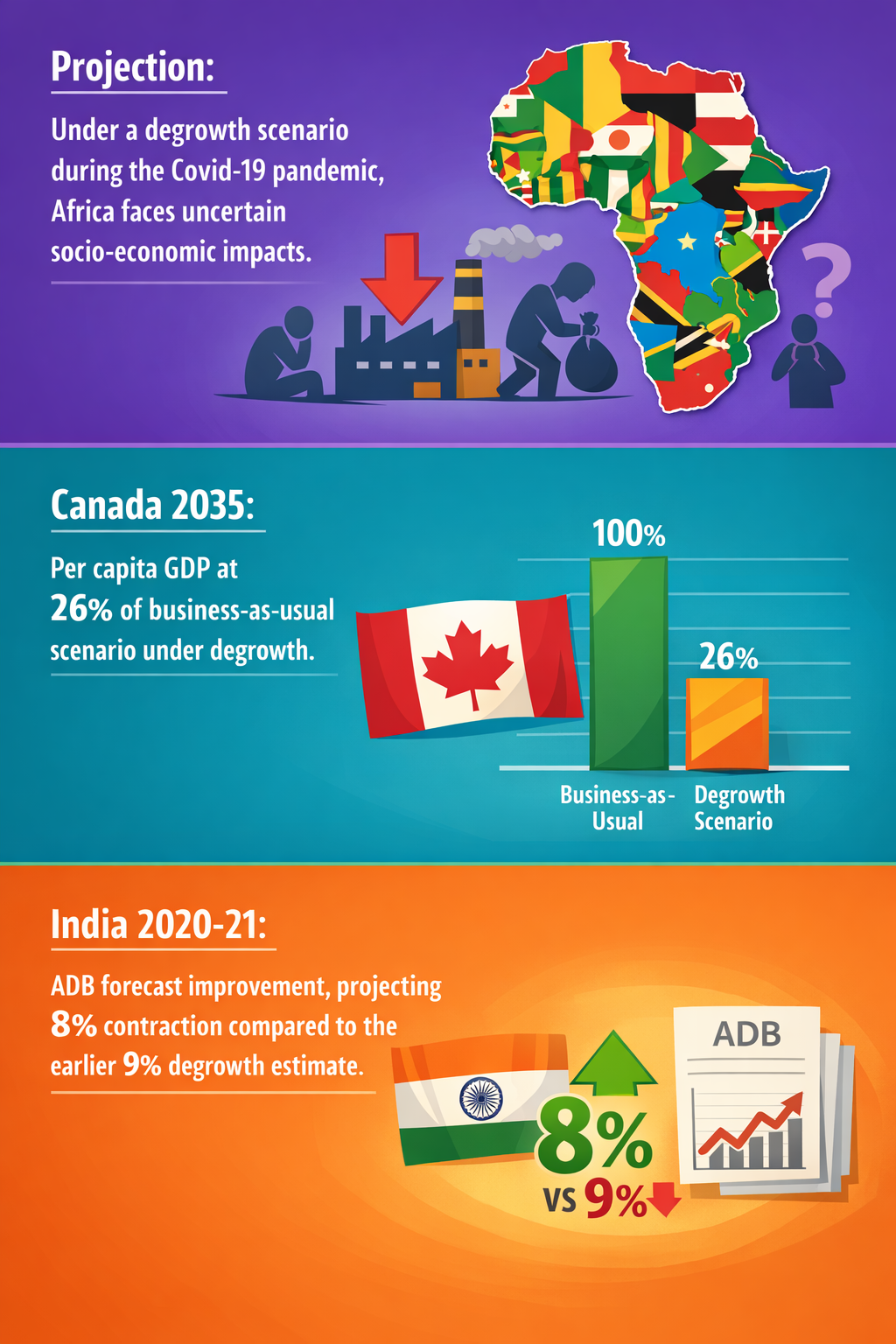
Intelligence Briefing about Postkapitalisme
Emerging Trends Impacting Belastingdienst
- Degrowth Economic Models: A shift towards reduced consumption and slower economic growth challenges traditional fiscal revenue streams reliant on high economic activity.
- Changing Institutional Funding Priorities: Sectors such as military-industrial complexes face funding pressures in degrowth contexts, potentially altering tax base composition.
- Environmental and Social Sustainability Demands: Rising calls for sustainability may influence tax policy, compliance expectations, and enforcement priorities.
Key Challenges, Opportunities, and Risks
- Challenges: Adapting tax systems to accommodate slower growth economies; managing decreased revenue without compromising public services.
- Opportunities: Innovating tax policies to incentivize sustainable practices; leveraging new data analytics for better compliance in evolving economic landscapes.
- Risks: Reduced fiscal capacity to fund government priorities; potential increase in tax evasion or avoidance as economic structures evolve.
Scenario Development
- Best-Case: Degrowth leads to more sustainable and equitable economic systems, with Belastingdienst successfully adapting tax policies to maintain stable revenue and support social programs.
- Moderate Case: Partial adoption of degrowth principles causes fluctuating tax revenues, requiring incremental policy adjustments and enhanced enforcement to sustain fiscal health.
- Challenging Case: Significant economic contraction reduces tax base, forcing cuts in services and increasing pressure on tax administration to combat evasion and fund critical sectors.
- Worst-Case: Rapid degrowth destabilizes key institutions including defense sectors, leading to severe revenue shortfalls, social unrest, and diminished capacity for effective tax governance.
Strategic Questions
- How can Belastingdienst redesign tax structures to remain effective amidst slower or contracting economic growth?
- What strategies could balance funding demands between sustainability initiatives and traditional government expenditures?
- In what ways can technological advancements be leveraged to improve compliance in an evolving postcapitalist economy?
- How might changes in global economic priorities, such as reduced military spending, impact tax base stability and revenue forecasting?
Actionable Insights and Considerations
- Belastingdienst could explore diversified revenue models less dependent on consumption-driven growth to enhance fiscal resilience.
- Investing in robust data analytics and AI tools could improve detection of tax avoidance and support adaptive policy responses.
- Collaborating with environmental and social governance agencies could create aligned incentives for sustainable compliance behavior.
- Scenario planning exercises could be regularly updated to anticipate shifts in economic priorities and prepare flexible tax policies accordingly.
Source: (The Nation)
Briefing Created: 14/05/2026