Our Scans
·
Future of Work
·
Intelligence Briefing
Intelligence Briefing about Future of Work
Critical Emerging Trends
- Advanced Technology Integration: The growing adoption of sophisticated technologies such as AI, automation, and advanced data analysis tools is transforming work processes within public agencies.
- Increased Data Complexity: The need to manage and interpret vast and more complex data sets is rising, influencing decision-making and operational efficiency.
- Worker Adaptability and Reskilling: Rapid change demands continuous learning and flexibility from employees to handle evolving roles and technological platforms.
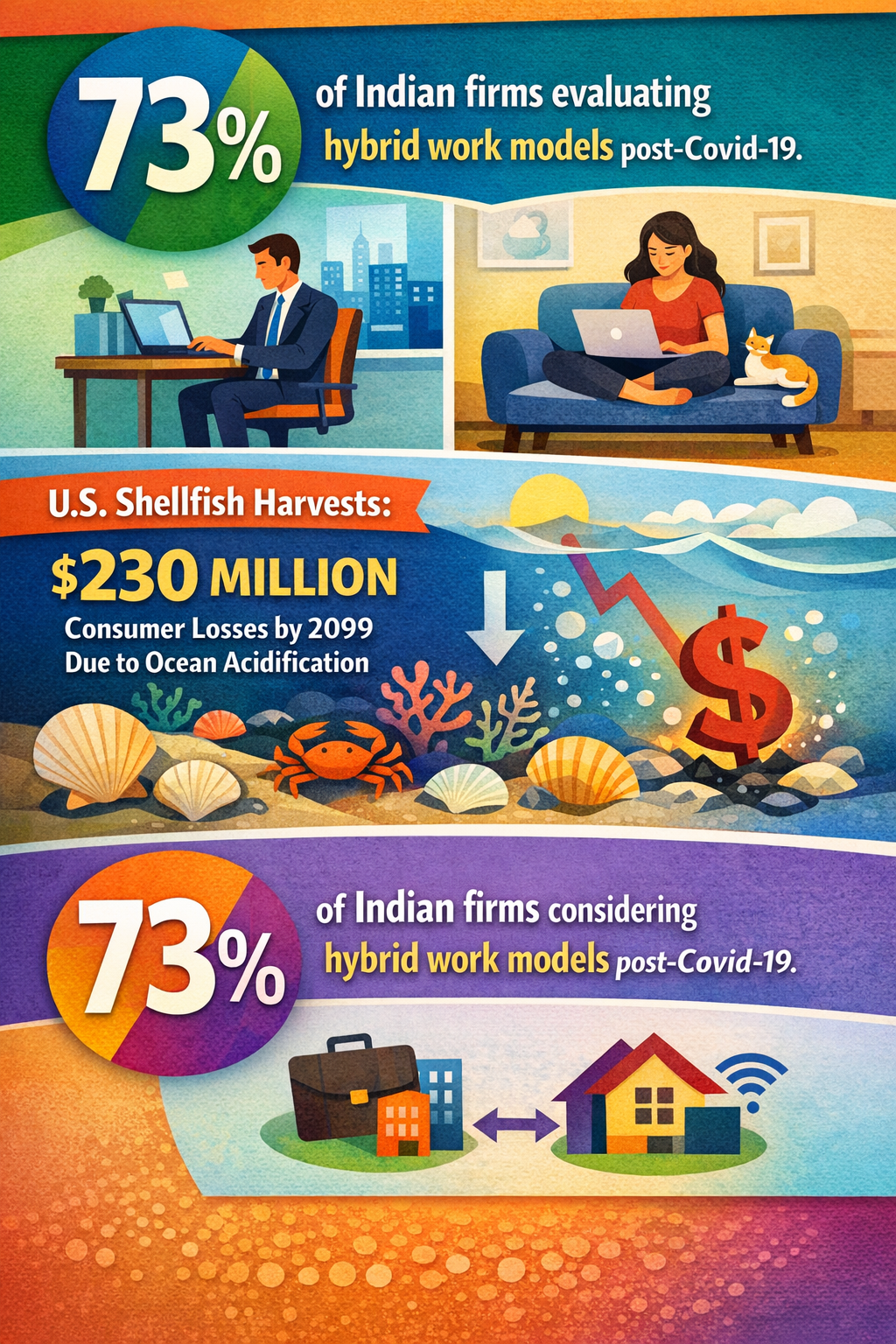
- Remote and Hybrid Work Models: Flexible work arrangements are becoming standard, impacting organizational culture and operational management.
Key Challenges, Opportunities & Risks
- Challenges: Maintaining data security amidst increased digital integration; managing workforce transitions with minimal disruption; ensuring equitable access to tools and training.
- Opportunities: Enhancing efficiency through automation; leveraging data analytics to improve tax compliance and fraud detection; attracting tech-savvy talent pools.
- Risks: Potential skills gaps leading to decreased productivity; overdependence on technology increasing vulnerability to cyber threats; resistance to change slowing transformation efforts.
Scenario Development
- Best-Case Scenario: Seamless technology adoption combined with proactive workforce reskilling drives operational excellence, enhanced tax compliance, and elevated citizen trust.
- Optimistic Scenario: Technology improves efficiency but adoption is uneven; workforce adapts gradually, resulting in moderate productivity gains and sustained service quality.
- Pessimistic Scenario: Resistance to change and insufficient training lead to operational disruptions; cyber threats increase, causing data breaches and public distrust.
- Worst-Case Scenario: Technology reliance without adequate safeguards and workforce readiness results in major security incidents, significant service failures, and reputational damage.
Strategic Questions for Senior Advisors
- How might we balance rapid technological adoption with the imperative to safeguard data integrity and privacy?
- What strategies could be implemented to continuously develop workforce capabilities aligned with evolving digital demands?
- In what ways can we foster organizational culture adaptability to embrace new work models and technologies?
- How can we proactively identify and mitigate risks related to cyber security and operational disruptions?
- What metrics could effectively measure the impact of technology integration on tax administration outcomes?
Potential Actionable Insights
- Investing in scalable training programs could support workforce agility and readiness for technological shifts.
- Establishing robust cyber security frameworks could reduce vulnerabilities inherent in increased digitalization.
- Engaging stakeholders early and fostering transparent communication could ease cultural resistance to change.
- Leveraging predictive analytics could enhance proactive compliance monitoring and fraud detection efforts.
Source: (Science News)
Briefing Created: 01/05/2026