Our Scans
·
Quantum Computing
·
Intelligence Briefing
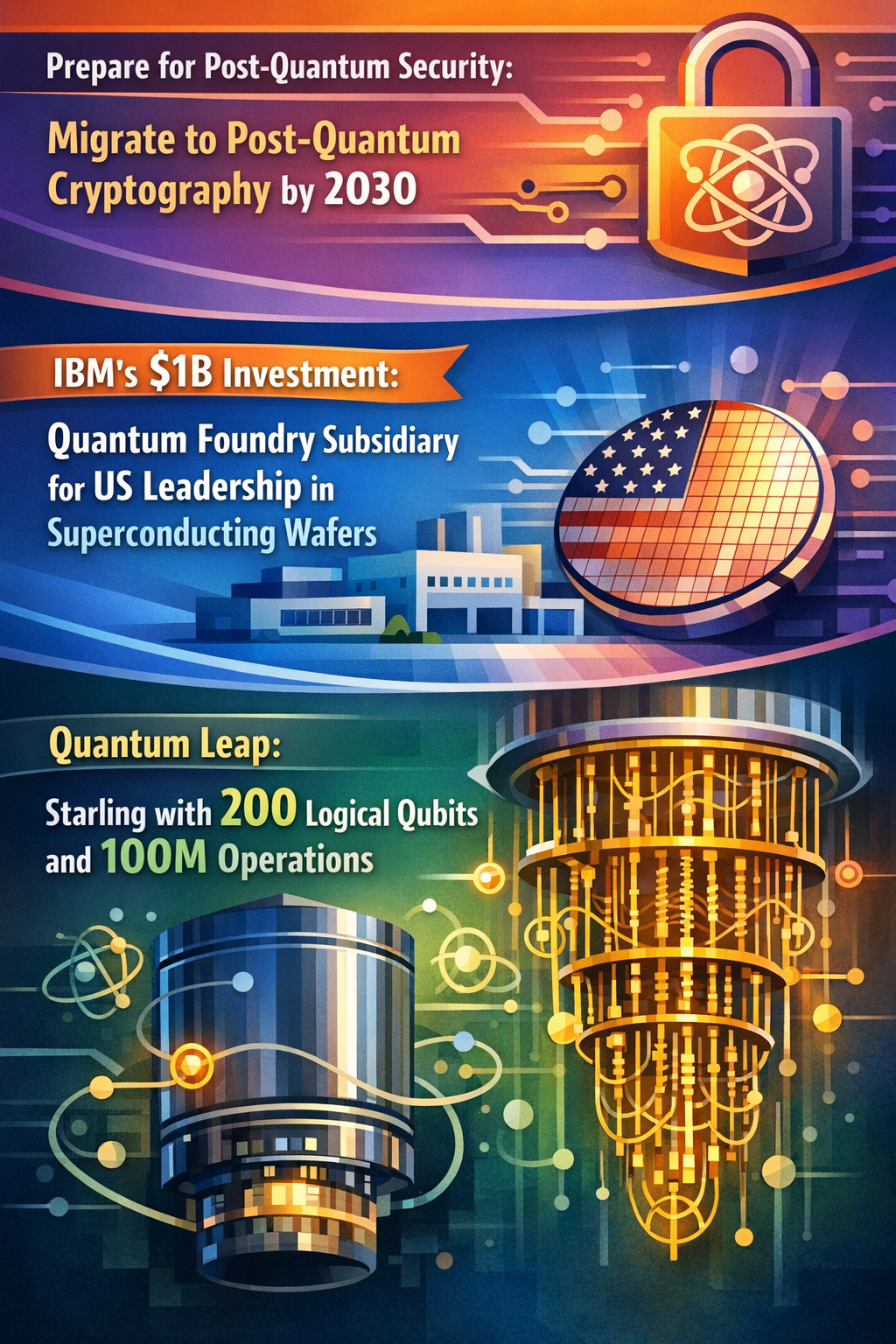
Intelligence Briefing about Quantum Computing
Critical Trends Impacting Belastingdienst
- Rapid advancement in quantum computing technology, with anticipated quantum advantage by 2026 and potential fault-tolerant quantum computers emerging by 2030 (IBM newsroom).
- Increasing threat to current cryptographic systems as quantum computers gain capacity to break existing encryption much faster than classical computers (Straits Times).
- Emerging adoption of quantum-safe encryption protocols, including double lock systems combining quantum algorithms with legacy encryption by governments such as France (Brian Lenahan Substack).
- The quantum processing unit (QPU) market is expected to grow rapidly at a CAGR over 40% through 2036, highlighting expanding commercial applications (Transparency Market Research).
Key Challenges, Opportunities, and Risks
- Challenges: Ensuring data security against quantum-enabled cryptanalysis; upgrading legacy IT infrastructure; staying abreast of rapidly evolving quantum technologies.
- Opportunities: Leveraging quantum computing capabilities to enhance data processing, fraud detection, and predictive analytics; early adoption of quantum-safe cryptography to build public trust.
- Risks: Potential exposure to data breaches if quantum risks are not mitigated timely; regulatory and compliance complexities with quantum-safe mandates internationally.
Scenario Development
- Best-Case: Quantum advantage achieved smoothly by 2026; early adoption of hybrid encryption ensures uninterrupted security; Belastingdienst leverages quantum analytics to optimize tax collection and fraud detection.
- Moderate Progress: Quantum computing matures gradually (post-2030); partial adoption of quantum-safe encryption leads to transitional vulnerabilities; incremental integration of quantum technologies improves operational efficiency over time.
- Disruptive Attack: Quantum computers break current encryption earlier than expected (~2028); insufficient preparedness leads to significant data breaches; regulatory scramble follows with costly infrastructure overhauls.
- Worst-Case: Quantum technology proliferation outpaces defensive capabilities; incompatible legacy systems hinder timely upgrade; loss of citizen trust due to data insecurity severely impacts Belastingdienst operations and reputation.
Strategic Questions for Senior Policy Advisors and Strategists
- How can Belastingdienst proactively integrate quantum-safe cryptographic solutions while maintaining seamless operational integrity?
- What partnerships or collaborations should be pursued to keep pace with quantum technology advancements and ensure knowledge transfer?
- How will emerging quantum computing capabilities redefine data privacy legislation and compliance requirements for tax authorities?
- What contingency and incident response plans could be developed to mitigate potential quantum-related cybersecurity breaches?
Actionable Insights and Considerations
- Belastingdienst could initiate pilot programs to evaluate hybrid encryption methods combining quantum-safe and legacy protocols.
- Investing in workforce training on quantum computing basics and its security implications could help build internal expertise early on.
- Establishing dialogue with national and European quantum research initiatives could provide foresight and strategic alignment.
- Developing an adaptable IT infrastructure roadmap that anticipates quantum challenges could reduce transition risks.
Briefing Created: 24/06/2026