Our Scans
·
Innovation in Transportation and their Implications for Canada
·
Intelligence Briefing
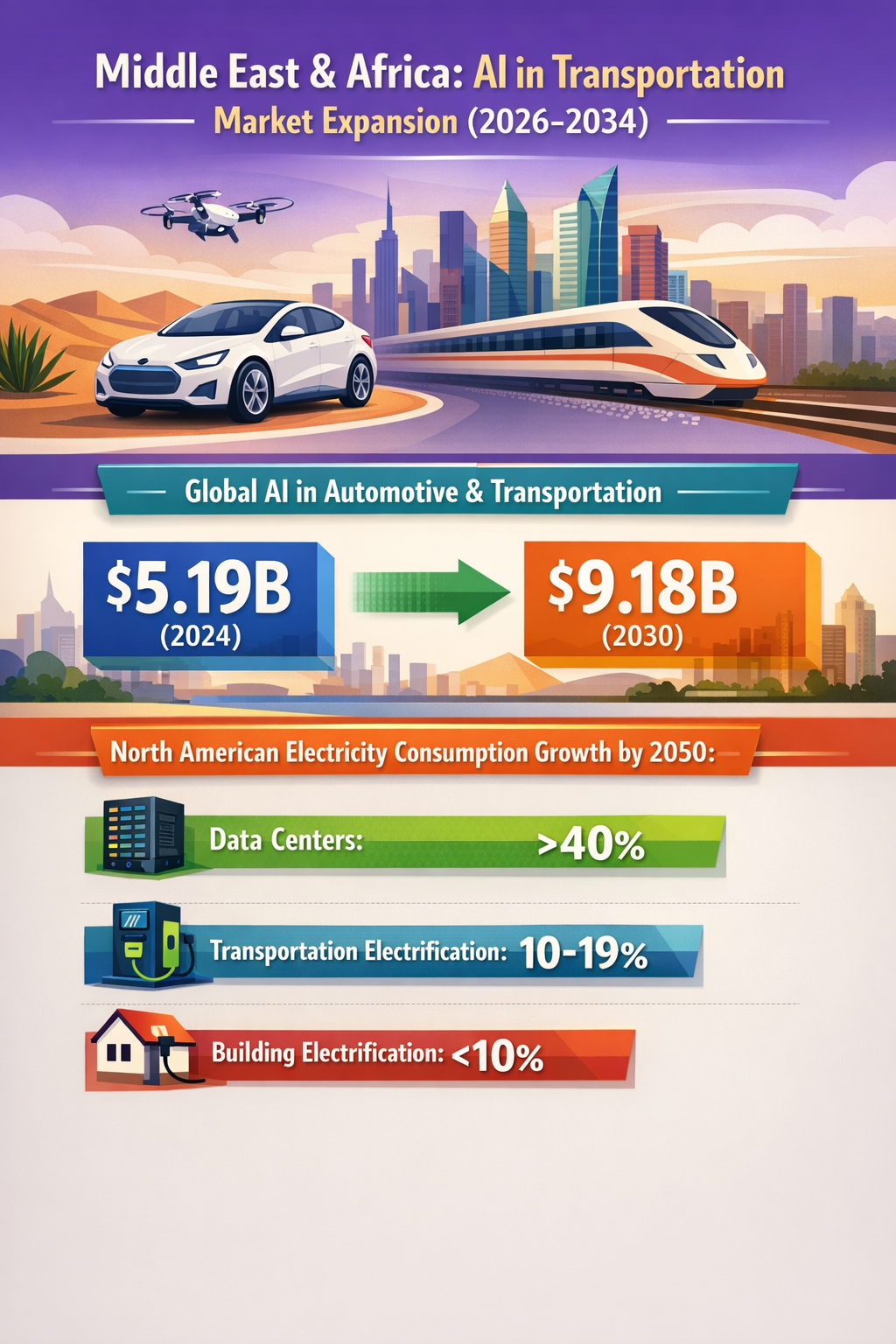
Intelligence Briefing about Innovation in Transportation and their Implications for Canada
Critical Trends Impacting Transport Canada
- Advancement of high-speed rail infrastructure offering sustainable solutions for densely populated corridors, especially in Ontario and Quebec (Alto high-speed rail).
- Rapid progress and anticipated dominance of autonomous vehicles within the next decade, though current adoption remains gradual (Tesla self-driving cars).
- Rising concerns and resistance from current Transportation Network Company drivers regarding autonomous vehicles threatening their livelihoods (TNC drivers' perspectives).
- Doubling of electricity demand by 2050 driven by electrification of transportation, industry, and households (Canada electricity demand plan).
- Significant opportunities for urban pollution reduction through electrification of public transportation and commercial fleets (Public transportation electrification, Electrification of commercial fleets).
- Transformation in travel behavior and planning driven by artificial intelligence enhancing user experience in trip booking and navigation (AI reshaping tourism).
Key Challenges, Opportunities, and Risks
- Challenges: Managing workforce displacement due to autonomous vehicle adoption; infrastructure upgrades to meet electrification demands; balancing regulatory frameworks for emerging technologies.
- Opportunities: Accelerating sustainable transportation through high-speed rail and electrification; leveraging AI for improved transportation services and efficiency; reducing urban emissions and contributing to climate targets.
- Risks: Potential social unrest from displaced drivers; grid reliability and capacity issues amidst surging electricity demand; cybersecurity and safety risks linked to autonomous and AI-driven systems.
Scenario Development
- Best-Case Scenario: Seamless integration of high-speed rail, electrified fleets, and autonomous vehicles supported by robust infrastructure expansion and proactive workforce transition policies. AI-driven services optimize user experience and system efficiency, leading to substantial emission reductions.
- Moderate Progress Scenario: Gradual electrification and autonomous adoption with intermittent infrastructure bottlenecks. Partial resistance from affected labor groups slows autonomous deployment. AI integration improves travel planning but remains limited in scope.
- Slow Adoption Scenario: Infrastructure lag and regulatory complexity delay widespread adoption of autonomous and electric technologies. Workforce opposition intensifies, leading to fragmented transport ecosystems and limited environmental benefits.
- Worst-Case Scenario: Failure to adapt infrastructure and policy frameworks causes extensive grid constraints and safety incidents in autonomous vehicle deployment. Social resistance escalates, creating political and economic instability within transportation sectors. AI misuse or cyber vulnerabilities degrade public trust.
Strategic Questions for Senior Policy Advisors and Strategists
- How can Transport Canada balance accelerated technology adoption with equitable workforce transition and social acceptance?
- What strategies could enhance grid resilience and infrastructure readiness to accommodate electrification at scale?
- In what ways might AI integration reshape regulatory responsibilities and passenger safety oversight?
- How can partnerships with private sector innovators be leveraged to maximize environmental and economic benefits?
- What contingency plans could mitigate risks associated with rapid autonomous vehicle deployment and cybersecurity threats?
Potential Actionable Insights for Strategic Decision-Making
- Transport Canada could prioritize investments in upgrading electric grid infrastructure aligned with transportation electrification timelines.
- Proactive development of workforce transition programs might reduce socio-economic impacts of autonomous vehicle adoption.
- Collaborative frameworks with AI developers and safety regulators could enhance transparent governance of emerging mobility technologies.
- Scenario planning exercises could be institutionalized to dynamically adjust strategies based on evolving technology, societal acceptance, and environmental outcomes.
Briefing Created: 19/07/2026