Our Scans
·
Cybersecurity
·
Intelligence Briefing
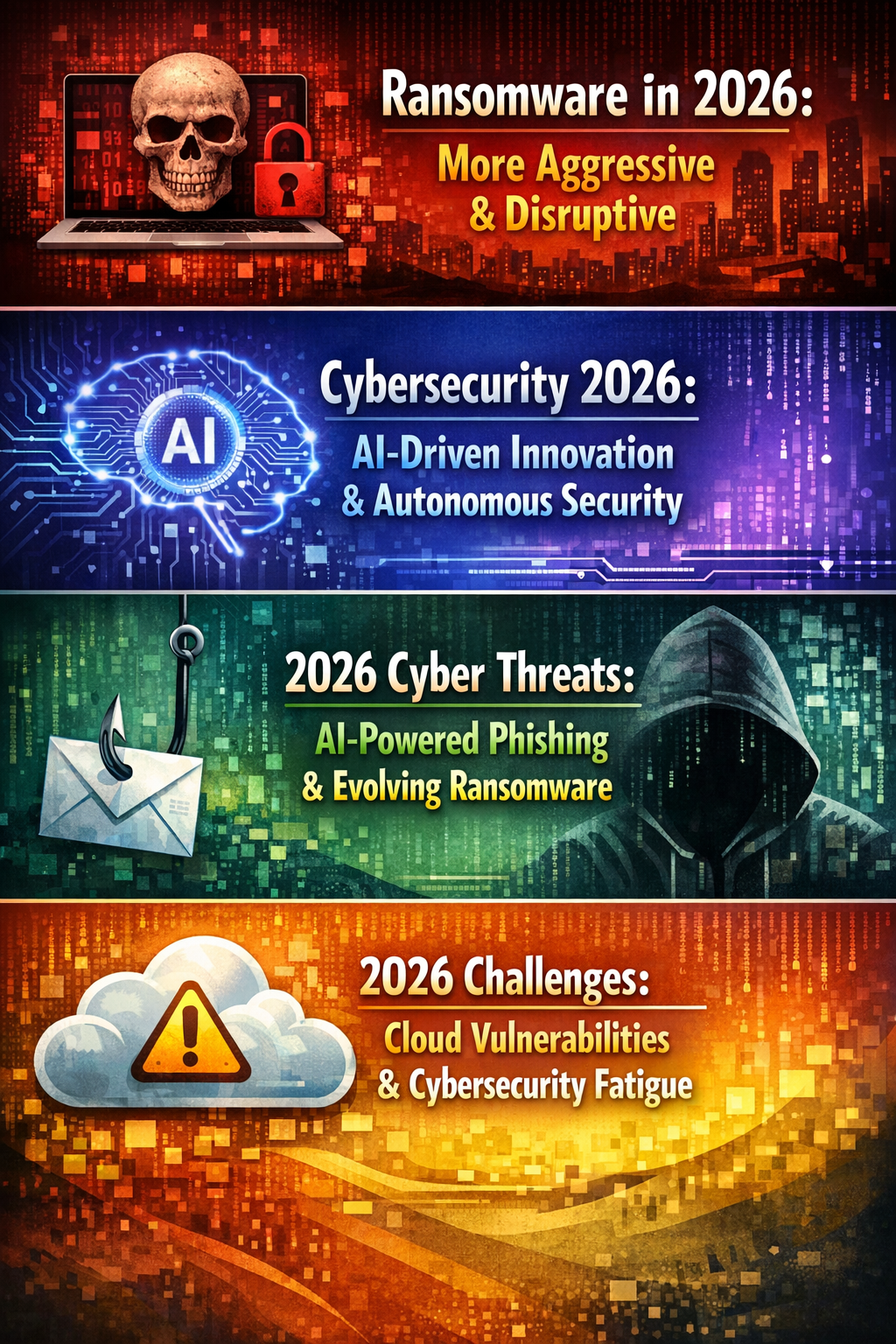
Intelligence Briefing about Cybersecurity
Critical Trends Impacting Infosys
- AI-Driven Cybersecurity Evolution: Rapid growth in AI applications, including AI-powered phishing, ransomware development, and autonomous security operations, is reshaping threat landscapes and defense mechanisms (Boston Institute of Analytics, Welch LLP).
- Quantum-Safe Encryption Mandates: Upcoming regulatory requirements, such as France's mandate to certify only quantum-resistant encryption by 2027, signal a shift toward next-gen cryptographic standards (Brian Lenahan).
- Supply Chain & BYOD Vulnerabilities: Increasing supply chain phishing risks and threats to Bring Your Own Device (BYOD) environments demand enhanced vetting and real-time threat detection (Risk Intelligence Service, SmishAlert).
- Ransomware Intensification: Ransomware attacks are becoming more aggressive and disruptive, especially targeting critical infrastructure, healthcare, and supply chains (CM Alliance, Fortinet).
Key Challenges, Opportunities, and Risks
- Challenges: Managing complex AI-driven threats requires continuous innovation and expertise. Compliance with emerging quantum encryption standards adds cost and technical complexity.
- Opportunities: Infosys could leverage AI technologies to enhance cybersecurity offerings and position itself as a leader in quantum-safe security solutions.
- Risks: Supply-chain phishing and expanded attack surfaces from BYOD increase breach exposure. Failure to rapidly patch known vulnerabilities could result in significant operational disruption.
Scenario Development
- Best-Case: Infosys successfully integrates AI-powered autonomous security capabilities and quantum-resistant technologies, becoming a trusted partner in global cybersecurity initiatives, driving strong market growth.
- Moderate Progress: AI threats evolve rapidly but Infosys adapts through incremental improvements and partnerships, maintaining competitiveness but facing larger operational costs and patchwork regulatory compliance.
- Challenging Environment: Supply-chain phishing and ransomware attacks escalate rapidly, outpacing Infosys' defensive capabilities, causing reputational damage and client losses.
- Worst-Case: Failure to adopt quantum-safe encryption mandates and AI defense innovations leads to significant security breaches, regulatory penalties, and erosion of market position.
Strategic Questions
- How can Infosys accelerate the integration of AI-driven cybersecurity technologies while ensuring ethical and safe deployment?
- What strategies could Infosys deploy to proactively address emerging quantum-resistant encryption standards and related compliance requirements?
- How might Infosys enhance supply-chain risk management and BYOD security to reduce exposure to increasingly sophisticated phishing and smishing attacks?
- What investments in talent, partnerships, and technology could optimize Infosys’ preparedness against rapidly evolving ransomware threats?
Actionable Insights and Considerations
- Infosys could prioritize R&D partnerships focused on AI safety and cybersecurity innovation, similar to collaborations like Anthropic with governmental bodies (BuildFastWithAI).
- Investing in quantum-safe cryptographic capabilities could position Infosys ahead of regulatory curves, enabling early market differentiation.
- Developing real-time threat intelligence integration for BYOD and supply-chain ecosystem monitoring could reduce breach risks and strengthen client trust.
- Infosys could establish a rapid patching and incident response framework aligned with federal and global vulnerability disclosure mandates (Senthorus Blog).
Briefing Created: 25/06/2026