Our Scans
·
Technologies
·
Intelligence Briefing
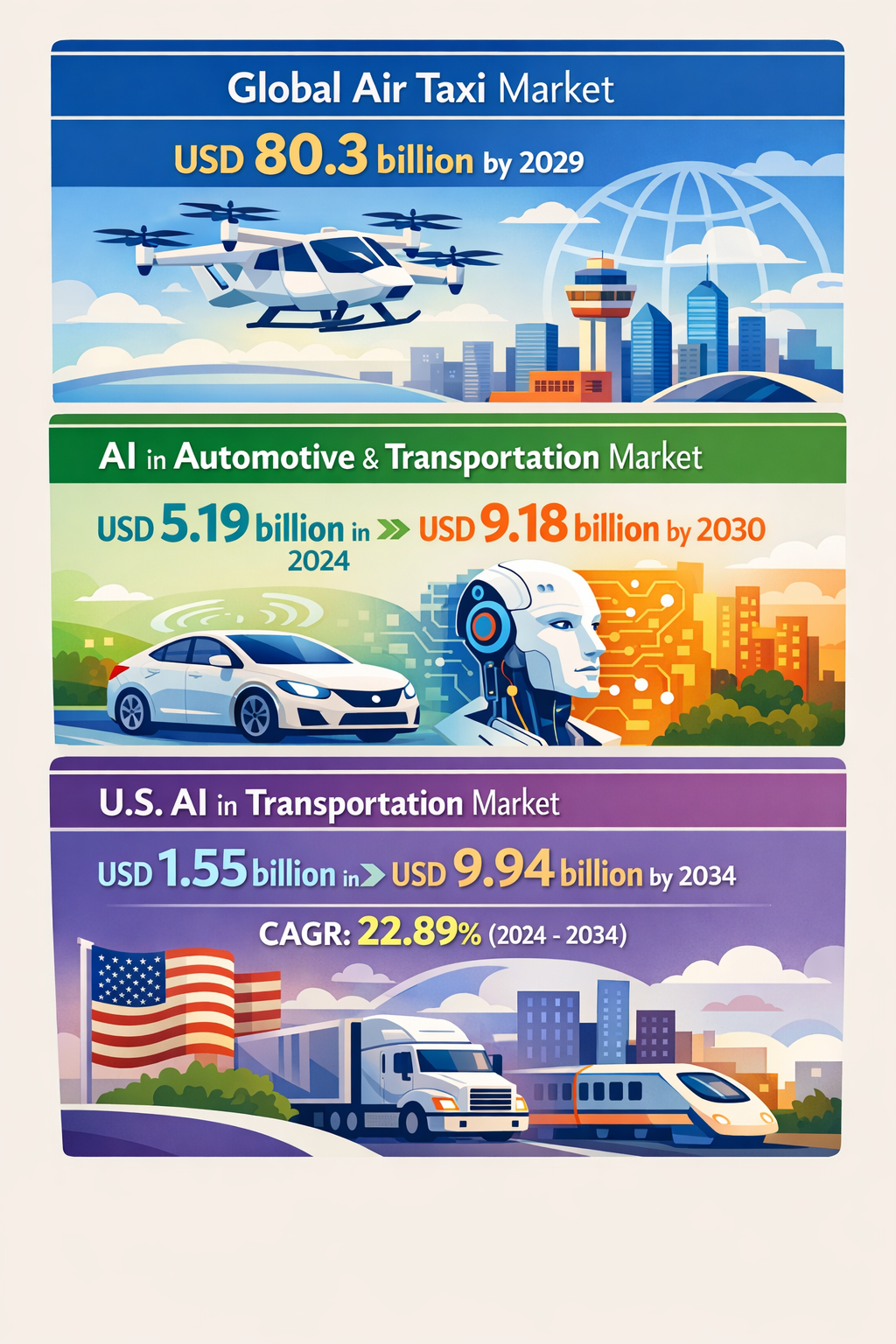
Intelligence Briefing about Technologies
Critical Trends Impacting Transport Canada
- International Regulatory Shifts: Upcoming UN decisions are set to redefine standards related to classification, packaging, labeling, documentation, and multimodal transport logistics, especially concerning batteries and portable tanks (IHMM Global DG Transport Regulatory Update).
- Convergence of Cyber-Physical Threats: Cybersecurity threats are evolving beyond data to directly target physical transportation infrastructure and essential services, increasing operational risks and safety concerns (Forbes Cyber Safety Summit Coverage).
- Rapid AI and Robotics Investment: Massive financial inflows toward AI infrastructure, robotaxi technology, humanoid robotics, and advanced computing platforms signal transformative opportunities for automation and efficiency within transport systems (Satonic Autoparts Tesla News).
Key Challenges, Opportunities, and Risks
- Challenges: Navigating evolving international regulations requires agility and harmonization efforts; defending transportation assets against increasingly sophisticated cyber-physical attacks demands enhanced security protocols.
- Opportunities: Leveraging AI and robotics could improve operational efficiency, safety, and sustainability; proactive regulatory alignment may facilitate smoother international collaboration and trade.
- Risks: Fragmented regulatory adoption may disrupt supply chains; unaddressed cyber-physical vulnerabilities could compromise public safety and critical infrastructure; accelerated technology adoption without robust oversight may introduce new systemic risks.
Scenario Development
- Best-Case Scenario: Global regulatory frameworks swiftly harmonize; Transport Canada effectively integrates AI and robotic systems; proactive cybersecurity defenses prevent major incidents; public trust in transportation safety and innovation increases.
- Moderate Scenario: Regulatory updates proceed unevenly across jurisdictions, causing some compliance lag; technology adoption faces delays due to technical and policy hurdles; cyber threats escalate but are contained through targeted response measures.
- Challenging Scenario: Cyber-physical attacks disrupt transportation networks intermittently; regulatory fragmentation complicates supply chains; technological investments yield limited returns due to skills shortages and infrastructure gaps.
- Worst-Case Scenario: Major cyber-physical incident causes widespread transport infrastructure failure; international regulatory discord results in trade bottlenecks; underregulated AI deployment leads to accidents and public backlash, eroding confidence in transportation systems.
Strategic Questions
- How can Transport Canada proactively influence and adapt to emerging international regulatory frameworks to minimize disruption?
- What integrated cybersecurity strategies could effectively protect physical transportation infrastructure from evolving threats?
- In what ways might AI and robotics be optimally deployed to enhance transportation efficiency while managing associated safety and ethical risks?
- How should Transport Canada balance innovation with regulatory oversight to maintain public trust and safety?
- What partnerships or collaborations could accelerate resilience and responsiveness in a rapidly evolving technological landscape?
Potential Actionable Insights for Strategic Decision-Making
- Transport Canada could engage more actively in international regulatory dialogues to anticipate and shape standards affecting multimodal transport.
- Investing in integrated cyber-physical security frameworks could enhance detection, prevention, and response capabilities.
- Pilot programs leveraging AI and robotics might provide scalable models for safer and more efficient transport services.
- Developing multi-stakeholder partnerships could strengthen innovation ecosystems and risk-sharing mechanisms.
- Scenario planning exercises could aid in preparing adaptive strategies for diverse futures influenced by technological and regulatory dynamics.
Briefing Created: 10/08/2026