Our Scans
·
Quantum Computing
·
Intelligence Briefing
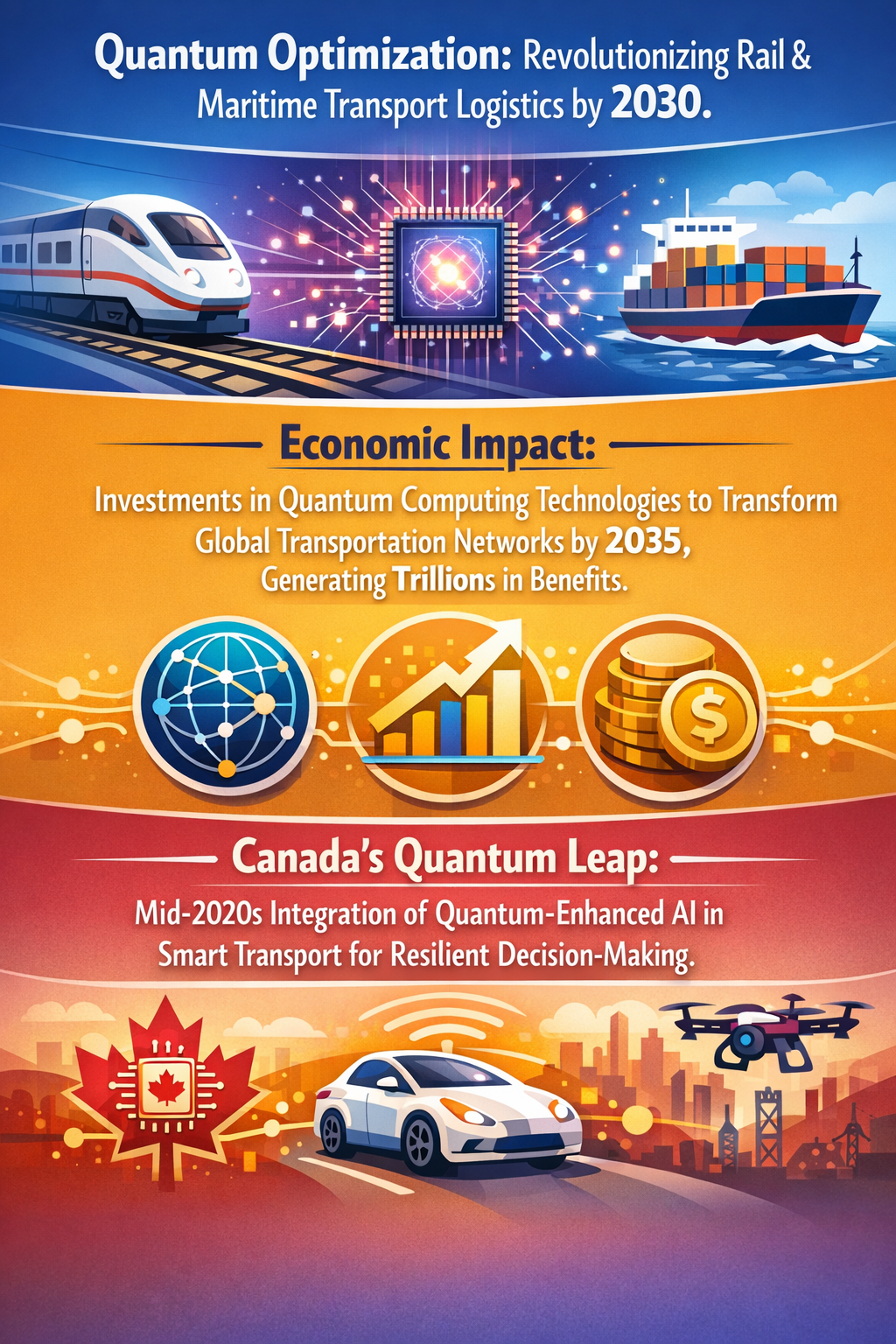
Intelligence Briefing about Quantum Computing
Emerging Trends Impacting Transport Canada
- Rapid Advances in Quantum Computing Hardware: Increasing qubit counts and error correction capabilities are accelerating quantum computational power.
- Quantum Algorithms for Optimization: Enhanced algorithms could transform logistics, route planning, and traffic management efficiencies.
- Quantum-Resistant Cryptography: Growing threats to current encryption methods necessitate upgrades in secure communications.
- Increased Collaboration Between Public and Private Sectors: Innovation hubs and partnerships are driving faster adoption of quantum technologies.
Key Challenges, Opportunities, and Potential Risks
- Challenges: Limited quantum expertise, integration complexity with legacy systems, and high development costs.
- Opportunities: Streamlined transportation networks, improved safety analytics, and enhanced cybersecurity through quantum encryption.
- Risks: Exposure to quantum-enabled cyberattacks before adequate defenses are in place, technology disruption outpacing regulatory frameworks, and potential data privacy concerns.
Scenario Development
- Best-Case: Quantum computing matures rapidly and is successfully integrated into Transport Canada's systems, enabling optimized logistics and fortified cybersecurity, leading to safer, more efficient transport networks.
- Optimistic: Quantum advances steadily improve operational efficiency and cybersecurity; however, integration challenges slow some deployments, requiring phased implementation.
- Challenging: Quantum breakthroughs emerge but are hindered by skills shortage and high costs; legacy systems remain dominant, leaving vulnerabilities to quantum cyber threats.
- Worst-Case: Sudden quantum-enabled cyberattacks exploit unprepared infrastructure, causing disruptions and eroding public trust, while regulatory lag prevents timely response and mitigation.
Strategic Questions
- How can Transport Canada proactively develop expertise and partnerships to accelerate safe and beneficial quantum technology adoption?
- What frameworks could be implemented to manage the transition towards quantum-resistant cybersecurity protocols?
- In what ways might quantum computing reshape regulatory and operational models for transportation safety and efficiency?
- How should Transport Canada balance investment between emerging quantum innovations and upgrading current infrastructure?
- What contingency plans could prepare Transport Canada for potential quantum-driven cybersecurity threats?
Actionable Insights for Strategic Decision-Making
- Transport Canada could invest in quantum research collaborations to build internal knowledge and keep pace with technological progress.
- Developing a quantum risk assessment framework could help identify vulnerabilities and prioritize cybersecurity upgrades.
- Engagement with industry leaders and international partners might accelerate adoption and harmonize regulatory responses.
- Scenario planning exercises could be institutionalized to anticipate technological disruptions and crisis responses.
- Transport Canada could explore pilot projects applying quantum algorithms to logistics and traffic optimization to evaluate real-world benefits.
Briefing Created: 31/08/2026