Our Scans
·
Fracturing Global Commerce
·
Intelligence Briefing
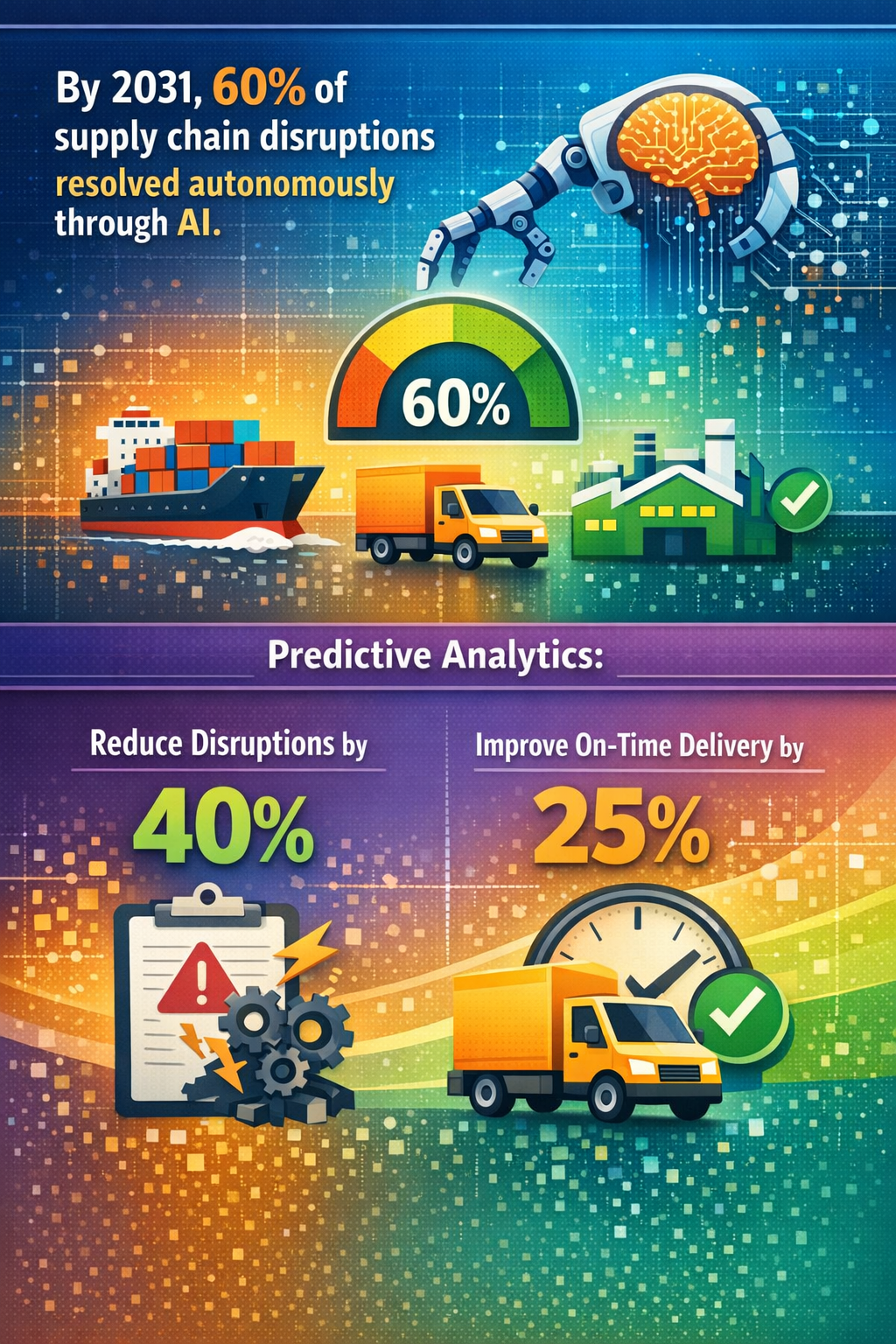
Intelligence Briefing about Fracturing Global Commerce
Critical Trends Impacting Temasek
- Technological and supply chain disruption: Digitalization and automation are accelerating, with open automation becoming a necessity to manage complex industrial challenges (Automation.com).
- Persistent supply chain fragility: Geopolitical tensions, counterfeit components, and raw material price volatility continue to destabilize global supply lines, impacting inventory and profitability across sectors (EIN Presswire).
- Commodity market dynamics: Supply constraints and infrastructure damage in oil and gas sectors are sustaining higher commodity prices and prompting strategic resource investments in regions like North America (PwC).
- Automation-driven supply chain resilience: By 2031, AI-enabled autonomous supply chains could resolve the majority of disruptions without human intervention, reshaping operational models (SAP Community).
- Regionalization and reshoring: Recent disruptions have heightened the value of local sourcing, including packaging and critical components, reducing dependence on imports (BoxesToGo).
- Sector-specific supply chain challenges: Aerospace players like Airbus and Boeing continue to face order backlogs and supply issues, reflecting broader industry-wide stress points (EPlane AI).
Key Challenges, Opportunities and Risks
- Challenges: Managing complex, multi-layered supply chains amid geopolitical and inflationary pressures; maintaining quality and timely delivery despite parts scarcity and counterfeit risks; adapting organizational capabilities to leverage automation and AI.
- Opportunities: Leveraging AI-driven autonomous supply chains to increase resilience and reduce costs; strategic investments in upstream resource consolidation and infrastructure; capitalizing on reshoring trends to secure supply reliability and foster local ecosystems.
- Risks: Overdependence on volatile commodity markets; accelerated digital adoption without adequate cyber and operational safeguards; disruption cascades triggered by geopolitical events that undermine global commerce connectivity.
Scenario Development
- Best-Case: Successful digital transformation and autonomous supply chains lead to resilient, efficient, and agile operations; regional sourcing flourishes; commodity markets stabilize with predictable pricing.
- Moderate Optimistic: Gradual adoption of automation mitigates some disruptions; partial reshoring offsets geopolitical risks; commodity prices remain elevated but manageable; supply chains improve but remain vulnerable.
- Moderate Pessimistic: Slow tech integration and fragmented regional strategies cause ongoing supply disruptions; commodity markets remain volatile; geopolitical tensions heighten trade barriers, stalling growth.
- Worst-Case: Persistent supply chain fractures caused by geopolitical conflicts, inflationary shocks, and failed digital transitions; commodity scarcity triggers systemic price shocks; global commerce fragments into isolated blocs.
Strategic Questions
- How can Temasek accelerate and integrate AI-driven autonomous supply chain solutions to mitigate disruption risks across its portfolio?
- What strategic role could regionalization and reshoring initiatives play in balancing global exposure with supply chain resilience?
- How might volatile commodity markets influence Temasek’s investment decisions in natural resources and infrastructure over the next decade?
- What governance and risk management frameworks could enable secure and controlled digital transformation amid rising complexity?
Actionable Insights and Considerations
- Temasek could prioritize partnerships that accelerate digital automation and AI implementation to future-proof supply chains and improve operational transparency.
- The organization could explore opportunities to support or invest in regional manufacturing and resource consolidation initiatives aligned with geopolitical trends.
- Scenario planning exercises could help model impacts of commodity price volatility, informing flexible investment strategies and risk buffers.
- Temasek could enhance due diligence and governance protocols to address cybersecurity and quality assurance challenges emerging from increasing digital interdependencies.
Briefing Created: 25/06/2026