Our Scans
·
Digital Trust
·
Intelligence Briefing
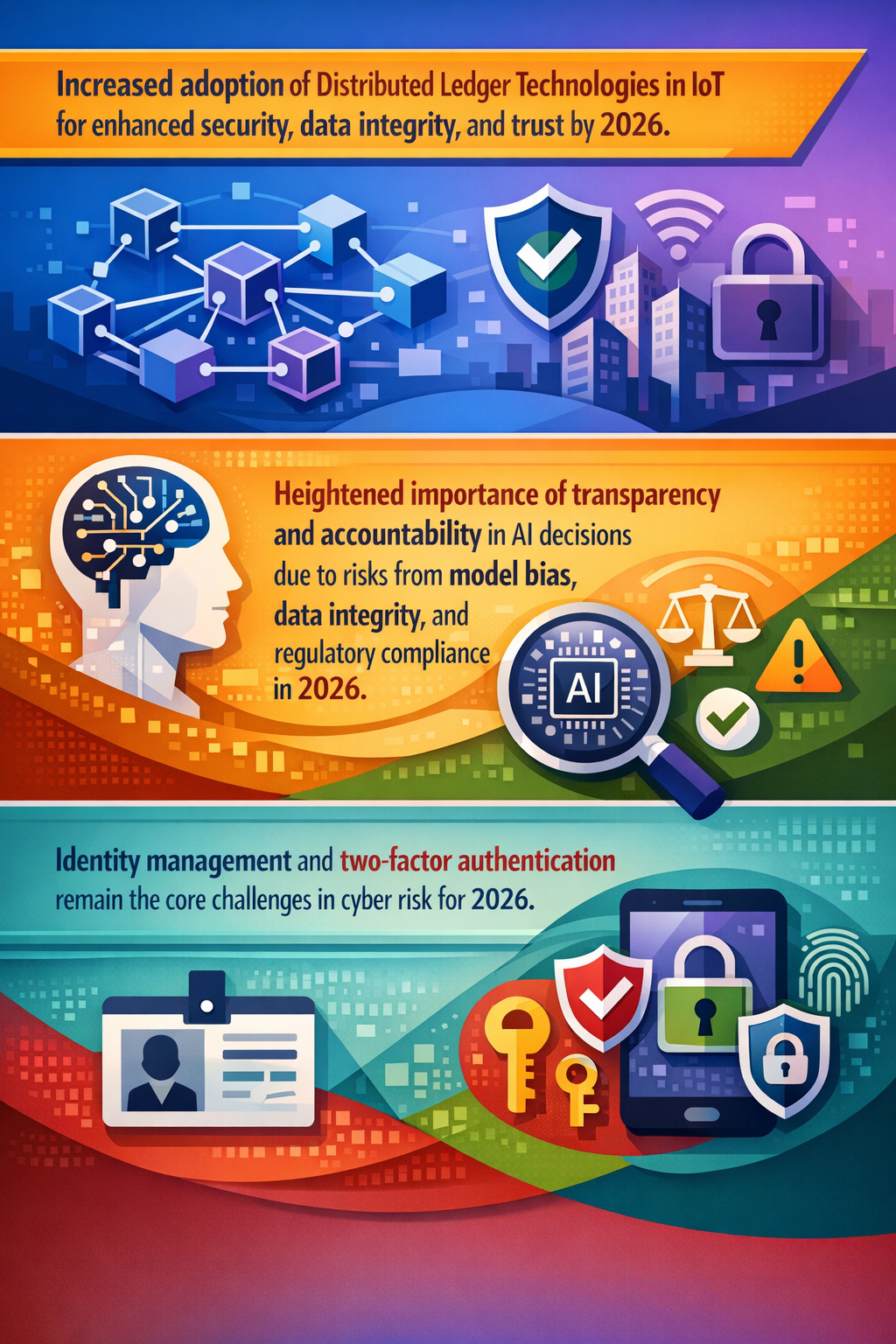
Intelligence Briefing about Digital Trust
Critical Trends Impacting Belastingdienst
- Data integrity degradation poses a more significant risk than data loss, emphasizing the need for enhanced data validation and protection mechanisms (Shieldworkz).
- The implementation of robust digital trust frameworks is becoming a mandatory strategic element due to increasing cyber threats and stricter regulatory demands (iReadCustomer).
- Decentralized digital identity management and emerging technologies such as neuromorphic computing and advanced robotics will redefine digital infrastructures (Abbacus Technologies).
- Adoption of Distributed Ledger Technologies (DLT), including blockchain, is predicted to increase for enhancing security and trust, especially within decentralized IoT contexts (JinCan).
- AI-generated synthetic content threatens digital trust, potentially emerging as a major economic challenge in the coming decade (Tech Startups).
Key Challenges, Opportunities, and Risks
- Challenges: Maintaining data integrity amid sophisticated cyberattacks and AI-driven misinformation; meeting evolving regulatory compliance; integrating emerging technologies into existing digital infrastructure.
- Opportunities: Leveraging DLT for transparent and tamper-proof records; deploying advanced identity management systems to enhance citizen trust; utilizing neuromorphic computing to improve system efficiency and security.
- Risks: Potential for erosion of public trust due to synthetic content and misinformation; exposure to novel cyber threats targeting data manipulation rather than outright theft; operational disruption from rapid technology shifts without adequate controls.
Scenario Development
- Best-case: Successful implementation of decentralized identity and blockchain leads to a highly secure, transparent tax system enhancing digital trust and public confidence.
- Optimistic: Partial adoption of emerging technologies improves infrastructure resilience but challenges persist in managing AI-driven misinformation effectively.
- Pessimistic: Incomplete digital trust frameworks and regulatory lag expose data integrity to frequent breaches, undermining citizen trust and operational efficiency.
- Worst-case: Widespread AI-synthetic content and cyberattacks cause severe data manipulation, regulatory penalties, and a collapse of public trust in Belastingdienst’s digital services.
Strategic Questions
- How can Belastingdienst proactively integrate decentralized identity and DLT solutions to safeguard data integrity and enhance digital trust?
- What frameworks could be developed to detect and mitigate the impact of AI-generated synthetic content on taxpayer confidence?
- In what ways can emerging neuromorphic and robotic technologies be leveraged to improve system responsiveness and security?
- How might evolving regulatory landscapes affect the deployment of advanced digital trust frameworks within public sector operations?
Actionable Insights
- Belastingdienst could explore pilot projects utilizing blockchain for sensitive data management to evaluate impact on trust and transparency.
- Developing AI monitoring tools focused on synthetic content detection could help maintain information integrity and public confidence.
- Investing in research partnerships on neuromorphic computing may provide future-ready computing architectures enhancing security responsiveness.
- Continuous engagement with regulators might identify upcoming compliance requirements early, allowing smoother adoption of security frameworks.
Briefing Created: 24/06/2026