Our Scans
·
Trade and Transportation Infrastructure
·
Intelligence Briefing
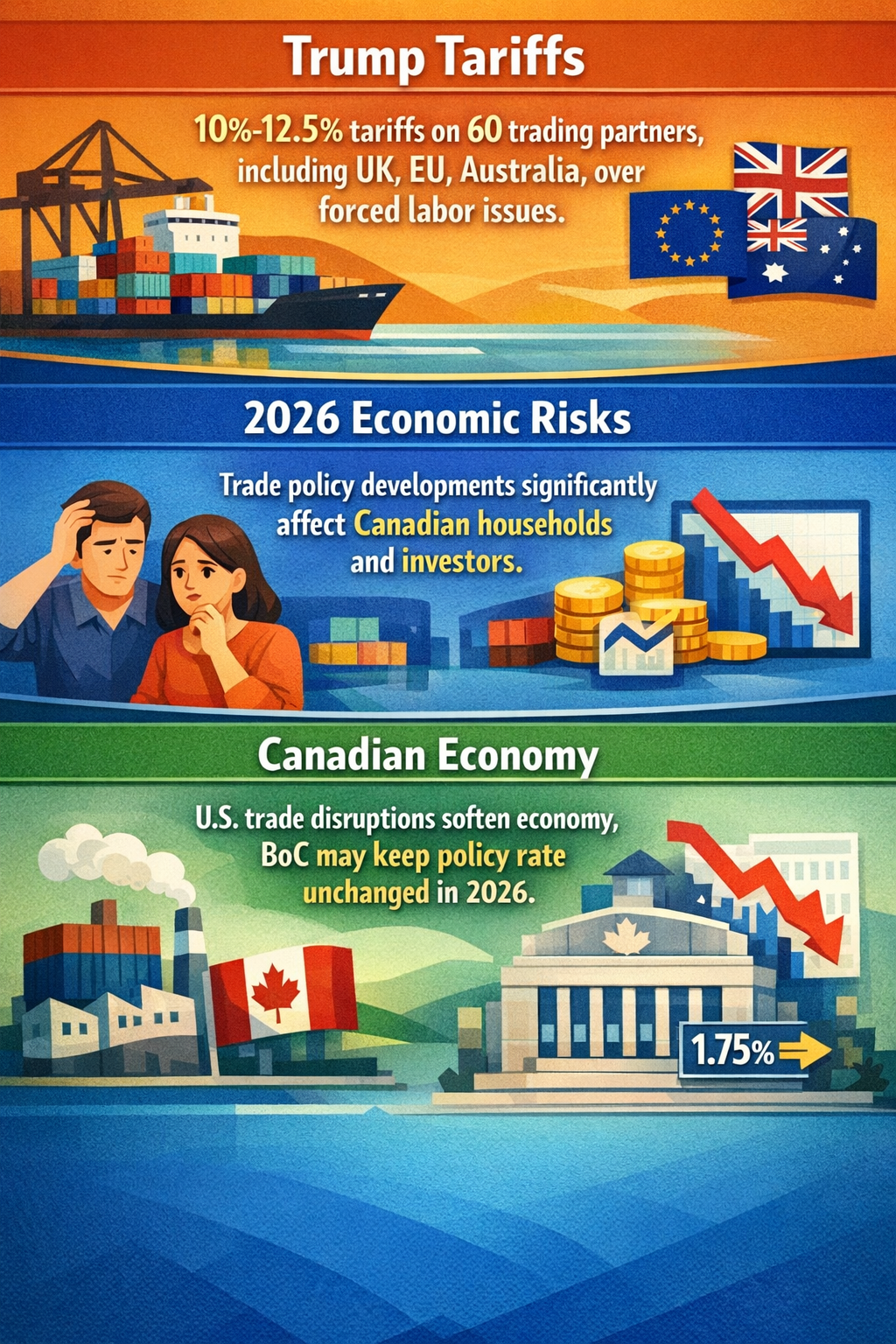
Intelligence Briefing about Trade and Transportation Infrastructure
Critical Trends Impacting Transport Canada
- Geopolitical and Trade Uncertainty: Heightened geopolitical conflicts, notably in the Middle East, combined with ongoing U.S.-Canada trade tensions and threats of new tariffs, are creating substantial uncertainty affecting planning, investment, and supply chain stability (True North Mortgage, RBC Economics, Policy Magazine).
- Infrastructure Investment and Domestic Supply Chain Strengthening: Federal initiatives including the First and Last Mile Fund with CAD 1.5 billion support aim to reduce external dependency by strengthening domestic infrastructure and critical mineral supply chains (IEA, Guidehouse).
- Technology and Digital Infrastructure Focus: The federal strategy prioritizes AI adoption in energy and associated digital infrastructure, which could redefine economic competitiveness and operational efficiency in transportation and trade sectors (PR Newswire).
- Economic Productivity and Demographic Shifts: Infrastructure investments amid slowing population growth may enhance productivity and corporate environments, potentially leading to more sustainable long-term trade growth (Middlefield).
- Trade Legislation and National Security: Emerging trade challenges underline the need to review Canada’s trade laws and enforcement tools to effectively address legitimate national security threats (Policy Magazine).
Key Challenges, Opportunities, and Risks
- Challenges: Managing growing trade protectionism, tariff risks, and rapid shifts in trade policy enforcement; mitigating supply chain vulnerabilities exposed by geopolitical conflicts; adapting infrastructure development to evolving demographic realities.
- Opportunities: Leveraging significant public investments to modernize and localize transportation and trade infrastructure; harnessing AI and digital infrastructure to increase efficiency and resilience; strengthening legal frameworks to secure trade lanes and address national security concerns.
- Risks: Sudden tariff impositions and trade disruptions impacting operational costs and reliability; overreliance on unstable international trade partners; lagging adaptation to new technologies and insufficient legislative preparedness heightening vulnerability.
Scenario Development
- Best-Case Scenario: Geopolitical tensions ease, U.S.-Canada trade relations stabilize with renewed agreements, federal infrastructure investments successfully modernize supply chains, and AI-driven efficiencies bolster Canada’s competitiveness in global trade.
- Moderate Scenario: Heightened but manageable trade tensions persist with occasional tariff adjustments; infrastructure projects proceed but face delays; AI adoption progresses unevenly, yielding mixed productivity gains.
- Challenging Scenario: Intensified geopolitical conflicts and escalating tariffs disrupt major trade lanes; infrastructure funding is constrained or delayed; digital and AI initiatives fall short of requisite scale; national security trade tools remain insufficiently updated.
- Worst-Case Scenario: Severe trade wars and geopolitical instability provoke widespread tariff impositions and blocked supply routes; infrastructure stagnates amid bureaucratic and funding setbacks; failure to adapt legally and technologically results in major economic losses and supply collapse.
Strategic Questions for Senior Policy Advisors
- How can Transport Canada proactively mitigate trade disruption risks stemming from unpredictable tariff policies and geopolitical shifts?
- What steps could be taken to accelerate adoption of AI and digital technologies to enhance resilience and efficiency in transportation infrastructure?
- In what ways might Canada refine its trade laws and enforcement mechanisms to better address emerging national security concerns without hampering trade?
- How should infrastructure investments be prioritized to balance long-term productivity growth with near-term demographic challenges?
- What contingency planning frameworks could be developed to respond quickly to sudden shifts in trade lane viability and supply chain reliability?
Potential Actionable Insights
- Transport Canada could enhance monitoring systems for international trade and geopolitical developments to anticipate and respond swiftly to emerging threats.
- Investment strategies could focus on modular, scalable infrastructure projects that integrate AI and digital capabilities, enabling adaptive growth and rapid modernization.
- Collaborative efforts with trade and national security agencies could be deepened to ensure trade laws and enforcement tools remain current and effective.
- Developing multi-scenario contingency plans could help manage uncertainty and reduce economic disruption from sudden trade or infrastructure shocks.
- Engagement with domestic industries and indigenous communities could be expanded to strengthen local supply chains and maximize benefits from infrastructure funding programs.
Briefing Created: 25/06/2026