Our Scans
·
Northwest Passage
·
Intelligence Briefing
Intelligence Briefing about Northwest Passage
Critical Emerging Trends
- Enhanced maritime monitoring with new long-range marine radar installations at key points along the Northwest Passage, improving situational awareness and sovereignty enforcement (The Arctic Institute).
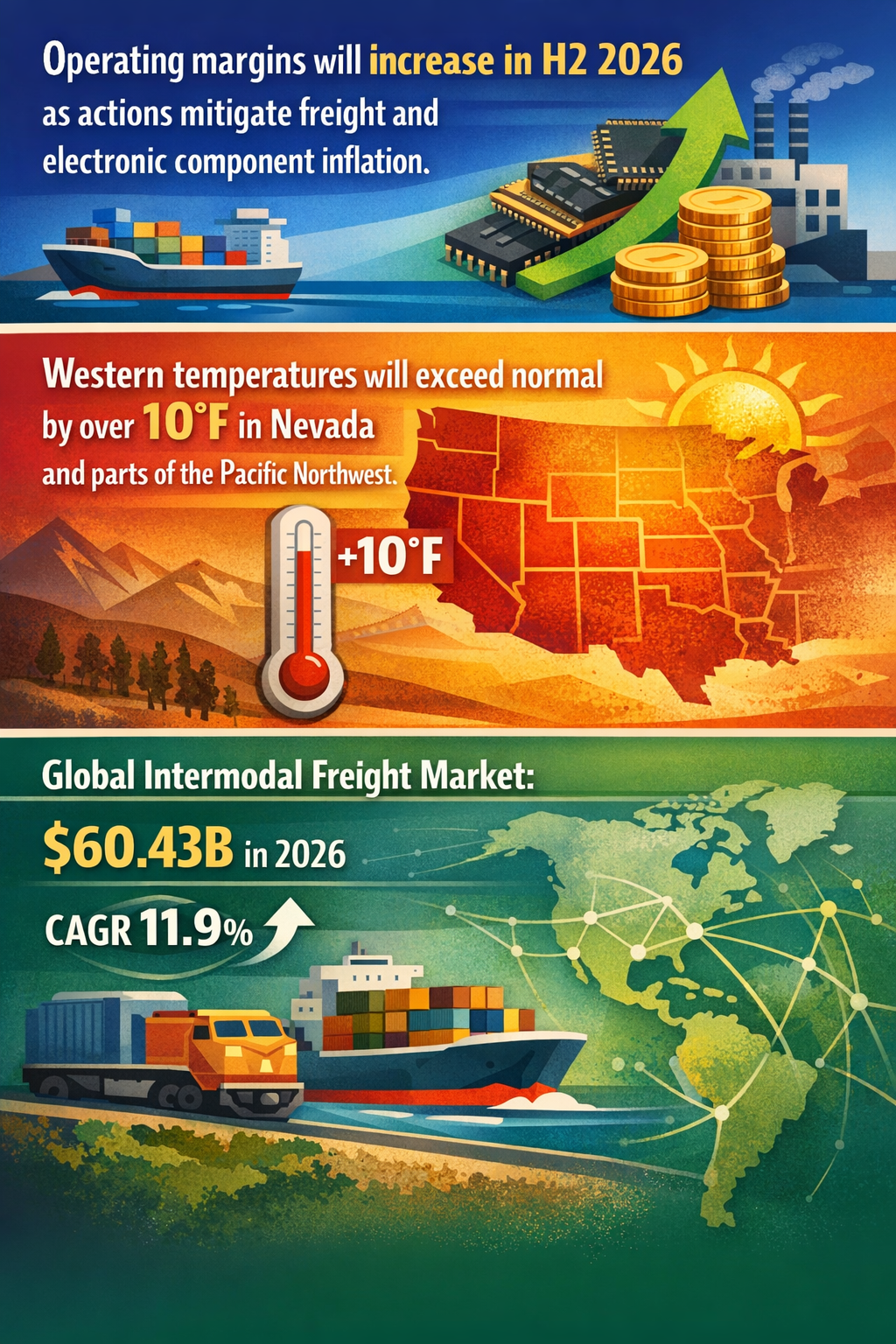
- Rising temperatures and changing climate patterns in western Canada and Arctic regions, including warmer and drier conditions that increase risks of drought, wildfires, and deteriorating air quality (TodoCanada).
- Increased cyber threats targeting transportation and logistics infrastructure, notably cyber-enabled cargo theft aimed at freight brokers and carriers (Innovate Cybersecurity).
- Global freight disruptions remain persistent, yet some sectors, such as Europe’s logistics network, demonstrate resilience through mitigating actions and operational adjustments (World Ocean Freight Events).
- Geopolitical instability and conflicts in critical maritime chokepoints raise freight insurance costs and reroute shipping, with implications for global supply chains and associated transport sectors (UK Government).
Key Challenges, Opportunities, and Risks
- Challenges: Environmental volatility including warming and wildfire risks strains infrastructure resilience and operational safety in Arctic zones.
- Risks: Heightened cyber threat landscape threatens cargo security and operational continuity; geopolitical tensions may disrupt vital northern and global supply routes.
- Opportunities: Expanded radar surveillance could strengthen maritime domain awareness, sovereignty enforcement, and emergency response capabilities in the Northwest Passage.
- Risks & Challenges: Climatic changes necessitate adaptive infrastructure investment, emergency preparedness, and environmental impact mitigation approaches to sustain safe transport operations.
Scenario Development
- Best-Case Scenario: Effective integration of advanced radar monitoring leads to enhanced security and search & rescue operations; climate adaptation strategies minimize environmental impacts; cyber defenses reduce logistics disruptions.
- Moderate Scenario: Climate effects cause periodic operational interruptions and localized environmental incidents; cyber threats increase but are contained; international cooperation helps maintain supply chain stability.
- Challenging Scenario: Worsening climate conditions trigger frequent wildfires and infrastructure strain; cyber attacks cause notable cargo theft and delays; geopolitical tensions disrupt traditional maritime routes, increasing operational costs.
- Worst-Case Scenario: Severe environmental degradation and cyber attacks severely hamper transport safety and reliability; geopolitical conflicts escalate, forcing costly rerouting and insurance hikes; the Northwest Passage becomes a contested and hazardous corridor.
Strategic Questions
- How can Transport Canada leverage new radar and monitoring technologies to proactively safeguard northern maritime routes while supporting Indigenous and local communities?
- What integrated climate adaptation and emergency response frameworks could mitigate environmental risks affecting Arctic transport infrastructure?
- In what ways can Transport Canada strengthen cyber resilience across the transport logistics chain to preempt emerging cyber-enabled theft and disruptions?
- How should Transport Canada anticipate and respond to geopolitical shifts impacting Arctic sovereignty and global shipping lanes?
Potential Actionable Insights
- Investing in interoperable monitoring systems could enhance detection and coordination capabilities for maritime security and environmental incidents along the Northwest Passage.
- Developing collaborative climate resilience initiatives with Indigenous partners and Arctic stakeholders could improve adaptive capacity and sustainable transport operations.
- Enhancing cybersecurity protocols and information-sharing mechanisms could help mitigate risks from evolving cyber threats targeting freight and logistics networks.
- Scenario planning and diplomatic engagement could enable proactive management of supply chain disruptions related to geopolitical tensions in Arctic and adjacent regions.
Briefing Created: 24/06/2026