Our Scans
·
Blockchain
·
Intelligence Briefing
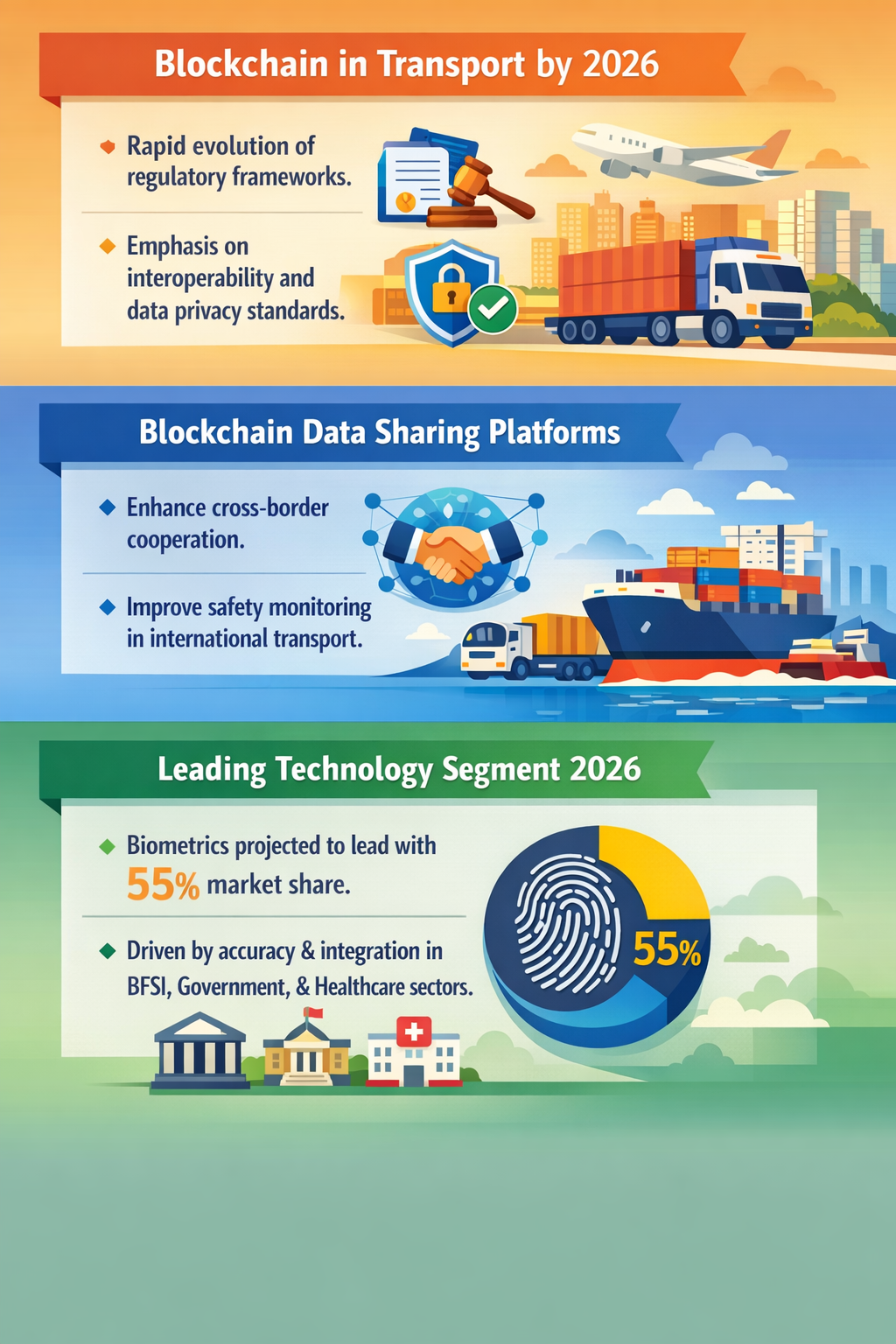
Intelligence Briefing about Blockchain
Critical Trends Impacting Transport Canada
- Integration of high-performance, specialized blockchains for AI ecosystems is advancing, potentially enhancing transaction efficiency and data security within AI-driven transport systems (CoinMarketCap).
- The expansion of cross-chain interoperability protocols enables seamless asset transfers and gasless transactions, which could streamline funding and operational processes in transport projects (Eco Support).
- Emerging AI models and quantum computing advancements are poised to disrupt blockchain encryption methods and system integrity, presenting new security vectors and computational capabilities (KPMG).
- Rapid AI talent development, particularly in international contexts such as China’s aggressive AI education integration, signals a competitive landscape for technological innovation affecting blockchain applications (China Daily HK).
Challenges, Opportunities, and Risks
- Challenges: Navigating policy volatility and fiscal sustainability amid AI and blockchain investments; addressing financial stability risks linked to AI asset bubbles as highlighted by central banks (The Idea Farm, Verdantix).
- Opportunities: Leveraging unified digital platforms and real-time data services (e.g., ABB Ability Connected Services) for enhanced monitoring and management of AI-enabled transport infrastructure (IFR).
- Risks: Potential obsolescence of existing cryptographic standards with quantum computing; uneven global AI talent distribution impacting blockchain innovation leadership; integration complexities with legacy transport systems (Persistence Market Research).
Scenario Development
- Best-Case Scenario: Transport Canada leads adoption of AI-optimized blockchain systems with robust cross-chain protocols, benefiting from increased operational transparency and security aligned with stable fiscal and regulatory environments.
- Moderate Progress Scenario: Incremental blockchain integration within transport sectors occurs, but challenges in policy harmonization, talent shortages, and legacy system compatibility limit overall impact and innovation pace.
- Disruptive Risk Scenario: Quantum computing breakthroughs undermine blockchain security before mitigation measures are in place, causing data breaches and disrupting AI-driven transport services, exacerbated by policy volatility and fiscal pressures.
- Worst-Case Scenario: Global competition intensifies with uneven AI talent development; blockchain-based systems face systemic failures due to asset bubbles and regulatory fragmentation, leading to financial instability and erosion of public trust.
Strategic Questions
- How can Transport Canada proactively incorporate emerging blockchain and cross-chain technologies to enhance system interoperability without compromising security?
- What measures could be implemented to mitigate risks related to quantum computing’s impact on blockchain infrastructure?
- In what ways can Transport Canada foster domestic AI and blockchain talent to maintain technological leadership and reduce reliance on external innovation ecosystems?
- How might regulatory frameworks be adapted to balance innovation incentives with financial stability and fiscal sustainability concerns?
- What partnerships or collaborations could be pursued to leverage unified data platforms for real-time monitoring of AI-enabled transportation systems?
Actionable Insights and Considerations
- Transport Canada could explore pilot projects integrating high-performance AI-focused blockchain platforms to evaluate operational benefits and scalability.
- Investment in cross-chain interoperability protocols could facilitate more efficient asset management and streamline funding mechanisms within transport innovation initiatives.
- Strategic monitoring of quantum computing developments could guide timely updates to cryptographic standards, minimizing security vulnerabilities.
- Enhanced collaboration with domestic and international AI talent development programs could bolster in-house expertise and support competitive positioning.
- Adapting regulatory approaches to be agile and risk-informed could enable sustainable innovation while addressing financial market stability concerns linked to AI and blockchain adoption.
Briefing Created: 24/06/2026