Our Scans
·
Personalised medicine
·
Intelligence Briefing
Intelligence Briefing about Personalised Medicine
Critical Trends Impacting Atradius
- Advances in large-scale data analysis and AI are accelerating targeted therapy development, exemplified by global enzyme atlases that enhance precision medicine capabilities (Pulse IT News).
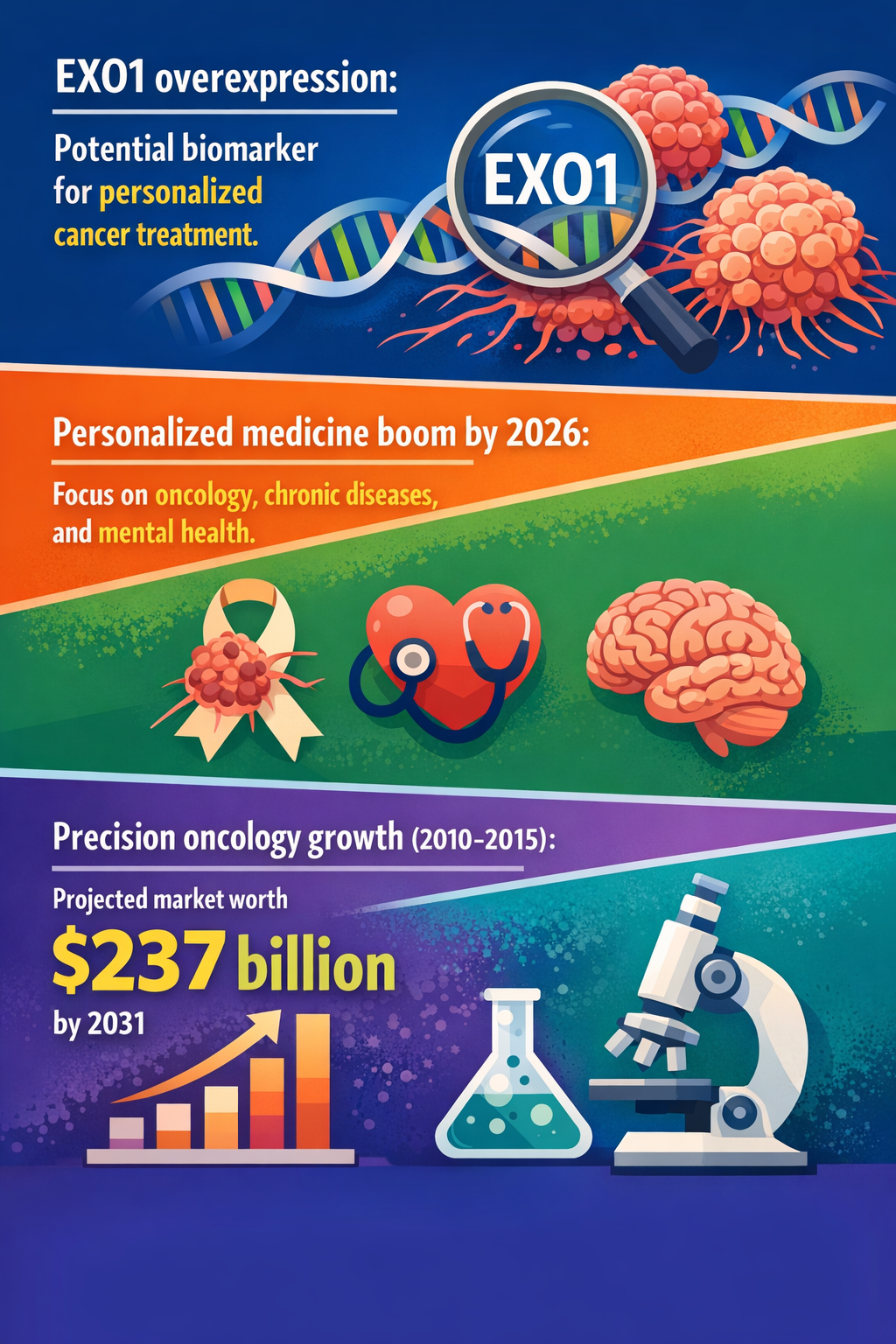
- Emerging biomarkers like EXO1, which occur more frequently than traditional BRCA mutations, offer new avenues for personalised cancer treatments (SciTech Daily).
- Growing adoption of faster, point-of-care (PoC) molecular diagnostics in North America is driving demand for rapid and accessible diagnostic tools (Nova One Advisor).
- Innovations in non-invasive wearable biosensors, such as molecular patches monitoring pregnancy risk and continuous glucose monitors, are moving towards consumer markets, reshaping patient monitoring paradigms (Future FemTech, Eweek).
- Personalised medicine's growth is anticipated to intensify by 2026, especially in oncology, chronic disease, and mental health management domains (PE Global).
Key Challenges, Opportunities, and Potential Risks
- Challenges: Integration of complex datasets and AI analytics into clinical workflows; ensuring regulatory compliance and data privacy; managing high development and implementation costs.
- Opportunities: Positioning Atradius to support financing and risk coverage for innovative personalised medicine technologies; expanding market presence in rapidly growing PoC and wearable diagnostics sectors.
- Risks: Rapid technology obsolescence; potential ethical and privacy concerns around biomarker data; variability in regulatory landscapes across jurisdictions affecting market access.
Scenario Development
- Best-Case: Rapid regulatory approval and adoption of AI-driven targeted therapies and non-invasive diagnostics lead to broad market expansion, reducing treatment costs and improving patient outcomes.
- Moderate Growth: Incremental advances in biomarker discovery and PoC devices expand personalised medicine reach regionally, with moderate investment and manageable regulatory hurdles.
- Slowed Adoption: Privacy concerns, fragmented regulations, and high costs slow the integration of personalised diagnostics, limiting market penetration to niche segments.
- Worst-Case: Regulatory failures, technological incompatibility, and public backlash hinder personalised medicine progress, resulting in stalled innovation and increased financial risk for stakeholders.
Strategic Questions
- How can Atradius best position itself to mitigate financial and regulatory risks associated with emerging personalised medicine technologies?
- What partnerships or expertise should be developed to effectively evaluate and underwrite innovative AI-driven diagnostics and therapies?
- In what ways can Atradius capitalize on the growing demand for point-of-care and wearable molecular diagnostics while managing technology adoption uncertainties?
- How might evolving data privacy regulations globally impact Atradius’s risk assessment and coverage models?
- What scenarios should Atradius prepare for to remain agile amid rapid advancements and potential disruptions in personalised medicine?
Actionable Insights for Strategic Decision-Making
- Atradius could strengthen data science capabilities to better analyze and predict risks associated with AI-enabled personalised medicine innovations.
- Exploring collaborations with biotech firms and regulatory experts could enable earlier insight into technology trajectories and compliance challenges.
- Developing flexible financing products tailored to the nuances of personalised diagnostics and wearables could capture emerging market demand.
- Monitoring global regulatory developments proactively could help anticipate compliance shifts and adjust risk models accordingly.
- Scenario planning exercises could be institutionalized to test resilience against diverse future states of personalised medicine adoption and disruption.
Briefing Created: 12/06/2026