Our Scans
·
Demographic change
·
Intelligence Briefing
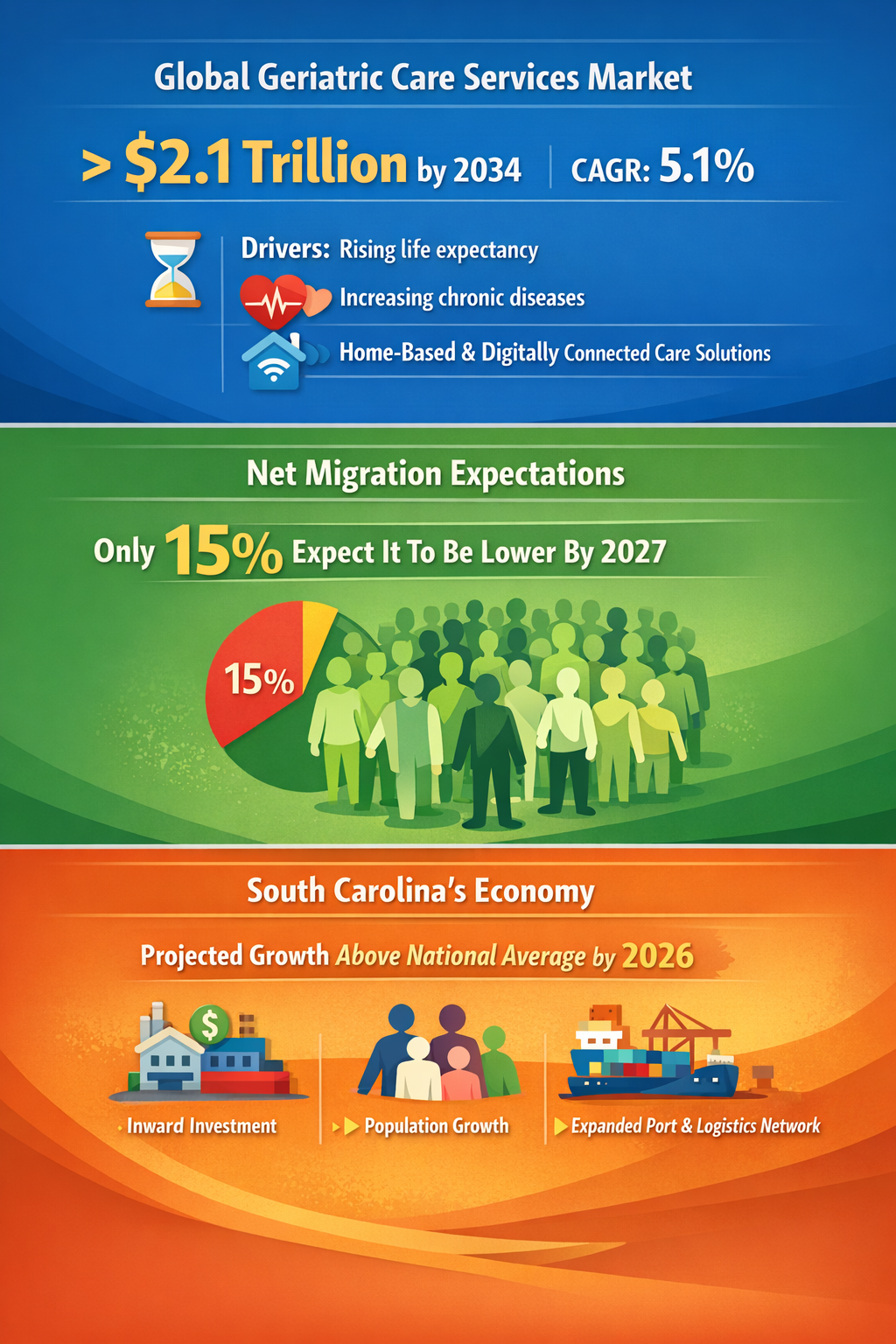
Intelligence Briefing about Demographic Change
Critical Trends Impacting Atradius
- Global population growth and rising incomes are driving a projected 70% increase in demand for animal-based foods by 2050, intensifying pressure on land and water resources (Market Data Forecast).
- Drought-induced migration could increase by 200% by the end of the century despite climate targets, posing risks to regional stability and economic migration patterns (PMC NCBI).
- Africa’s population is growing at over 2% annually, yet migration from Africa to the US is forecasted to decline, indicating shifting migratory flows and potential impacts on labor markets (SWP Berlin).
- Aging populations in various regions, including Vietnam and New Mexico, are increasing the demand for health care services, particularly related to dementia and neurodegenerative disorders (World Bank, Searchlight NM, Precedence Research).
- Population growth and infrastructure expansion are catalyzing regional economic growth, as seen in South Carolina’s port and logistics network expansion (Capital Analytics Associates).
- Public perception tends to underestimate declines in net migration despite data indicating falling migration rates in some contexts (The Guardian).
Key Challenges, Opportunities, and Risks
- Challenges: Managing supply chain risks related to resource scarcity from increasing food demand; adapting to structural labor market shifts driven by demographic aging and changing migration flows; addressing rising healthcare burdens linked to neurodegenerative diseases.
- Opportunities: Investing in emerging sectors such as cultured meat and sustainable food technologies; leveraging demographic shifts in growing economies for market expansion; expanding health-related services and insurance products tailored to aging populations.
- Risks: Heightened migration volatility due to climate-induced displacement; imbalanced regional growth creating economic disparities; reputational risks connected to perceived immigration dynamics and policy responses.
Scenario Development
- Best-case scenario: Sustainable advances in food technology reduce pressure on natural resources; successful adaptation policies mitigate climate-driven migration; aging populations benefit from healthcare innovations, supporting stable economic growth.
- Moderate growth scenario: Gradual population growth coupled with moderate resource constraints slows economic expansion; migration patterns shift regionally but remain manageable; healthcare demand rises, prompting incremental industry changes.
- Challenging scenario: Climate impacts and resource shortages intensify, triggering episodic migration surges; labor shortages emerge due to aging demographics; economic disparities widen across regions causing volatility.
- Worst-case scenario: Severe climate-induced displacement overwhelms infrastructure and markets; food and water scarcity drive geopolitical tensions; healthcare systems face crisis-level demand with insufficient capacity to respond.
Strategic Questions
- How could Atradius anticipate and mitigate credit risks stemming from demographic-driven shifts in migration and labor availability?
- What strategies could optimize investment in emerging markets affected by rapid population growth and aging populations?
- How might climate-induced migration trends affect credit exposure and partner risk profiles globally?
- In what ways could innovation in food and health sectors influence Atradius’s underwriting and risk management approaches?
- How could public perception gaps about migration impact Atradius’s market positioning and policy engagement?
Actionable Insights for Strategic Decision-Making
- Atradius could enhance scenario planning frameworks to integrate climate and demographic risk variables for more robust forecasting.
- Engaging with partners in food technology and healthcare innovation sectors could unlock new credit insurance opportunities tied to demographic trends.
- Monitoring migration and labor market data closely could help anticipate shifts in risk exposure across different regions.
- Building flexible product portfolios that address aging populations’ healthcare needs could position Atradius competitively in emerging sectors.
- Proactively communicating data-driven migration insights may strengthen Atradius’s stakeholder trust and policy influence.
Briefing Created: 19/06/2026